
Pench National Park
The forest that gave the world Mowgli and the Jungle Book
Pench at a Glance
Pench National Park sits across the forests of Madhya Pradesh and Maharashtra in central India. The reserve is famous for its Bengal tigers and its association with Rudyard Kipling's The Jungle Book. The forest supports leopards, dhole, gaur, sambar, chital, sloth bears and more than 285 recorded bird species. Safari access varies by zone and season, so check current park rules before booking.
Discover Pench National Park
Pench National Park lies on the southern slopes of the Satpura hills, across Madhya Pradesh and Maharashtra. The Pench River runs through the reserve and shapes much of its forest and wildlife habitat. Teak is the dominant tree, mixed with saja, dhaora, salai, mahua and bamboo. Open meadows break up the woodland and give animals clear feeding areas. This mix of forest, grass and water makes Pench a strong habitat for tigers, chital, sambar, gaur and wild dogs.
A Landscape Shaped by the Pench River
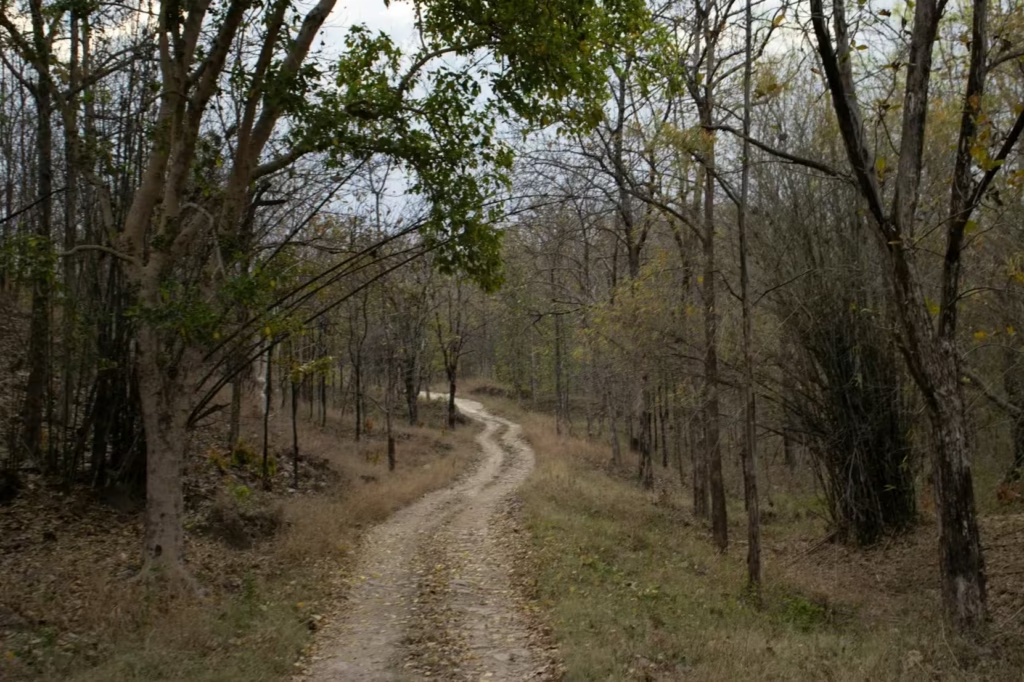
The Pench River is the defining feature of the reserve. It flows through the protected area and separates parts of the tiger reserve. The Totladoh reservoir, created on the river in Maharashtra, adds another important water source for wildlife. Smaller water bodies and seasonal streams support animals through the hotter months. Along the riverbanks, visitors find vegetation such as Arjuna, jamun and gular. Away from the water, dry deciduous forests dominate. This change in vegetation gives safari drives a varied setting, from shaded forest tracks to open areas where herds of chital and sambar often feed.
The Forest That Inspired The Jungle Book
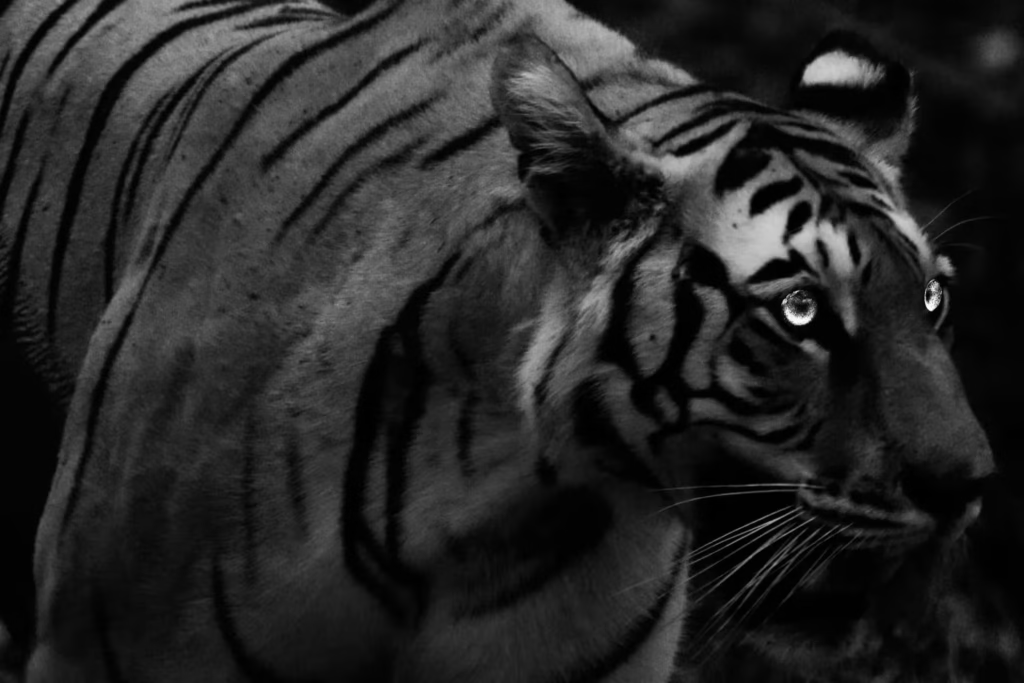
Pench has a strong connection with Rudyard Kipling's The Jungle Book. The Seoni region and its forests are widely linked with the setting behind Mowgli's fictional story. Madhya Pradesh Tourism identifies places around Alikatta and the Seeonee hills with locations described in the book. Kipling did not write a literal account of Pench, so the connection is best understood as an inspiration drawn from the wider Seoni region. The characters feel familiar during a safari. Tigers recall Shere Khan, wolves bring Akela to mind, and sloth bears echo Baloo
Where Wilderness Meets Central India
Pench sits in the Central Indian highlands, with forest connections toward Kanha, Satpura and other protected areas. Its setting gives the reserve a character of its own. Kanha is known for broad meadows and sal forests, Bandhavgarh for its rugged hills and historic fort, and Tadoba for its dry forest and strong tiger reputation. Pench combines teak woodland, open grass areas and water bodies within a compact safari setting. The result is a forest where tiger tracking, birdwatching and general wildlife viewing can all become part of the same drive.
Why Go on Safari in Pench?
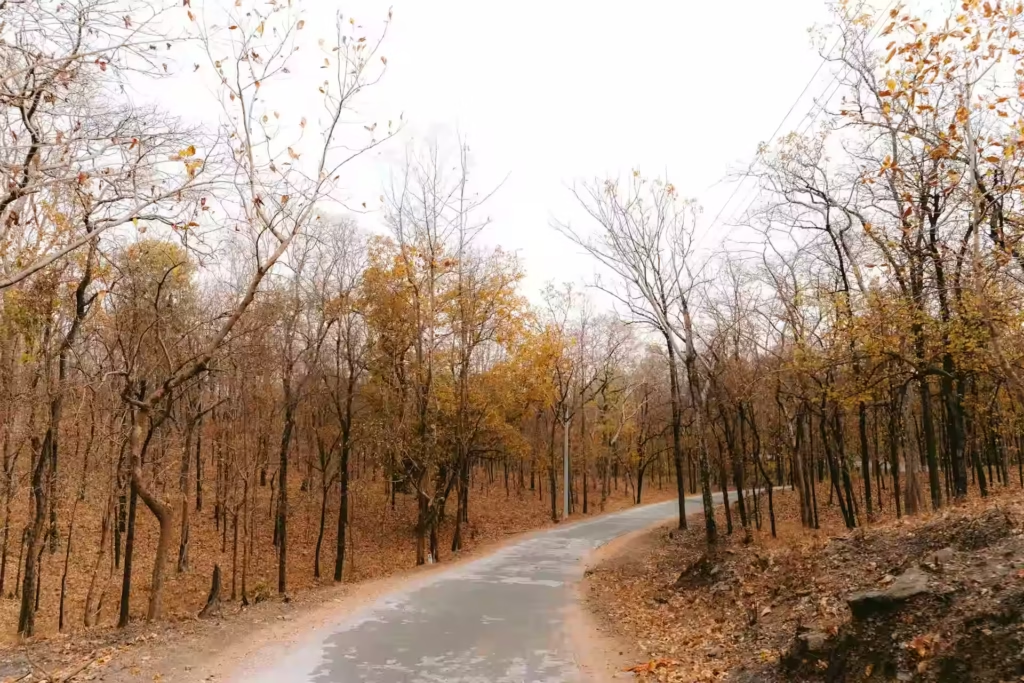
A Pench safari is not only about finding a tiger. Each drive reveals a different part of the forest. You may follow alarm calls, watch a gaur herd cross a track, or spend several minutes identifying a raptor overhead. The reserve supports more than 285 bird species, along with a strong mix of predators and herbivores.
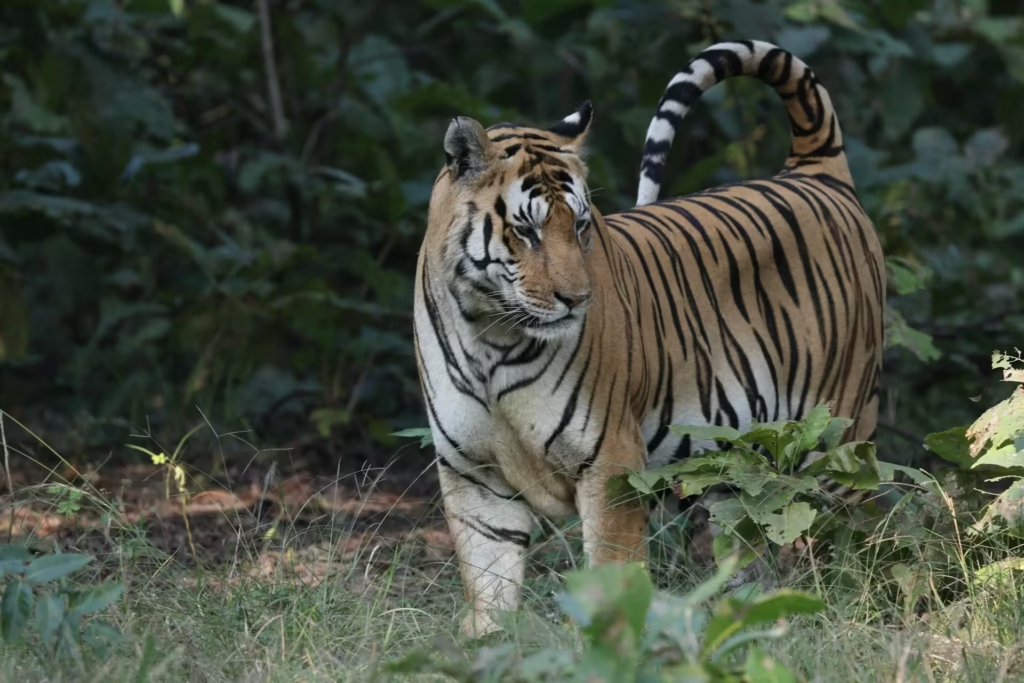
Search for the Bengal Tiger
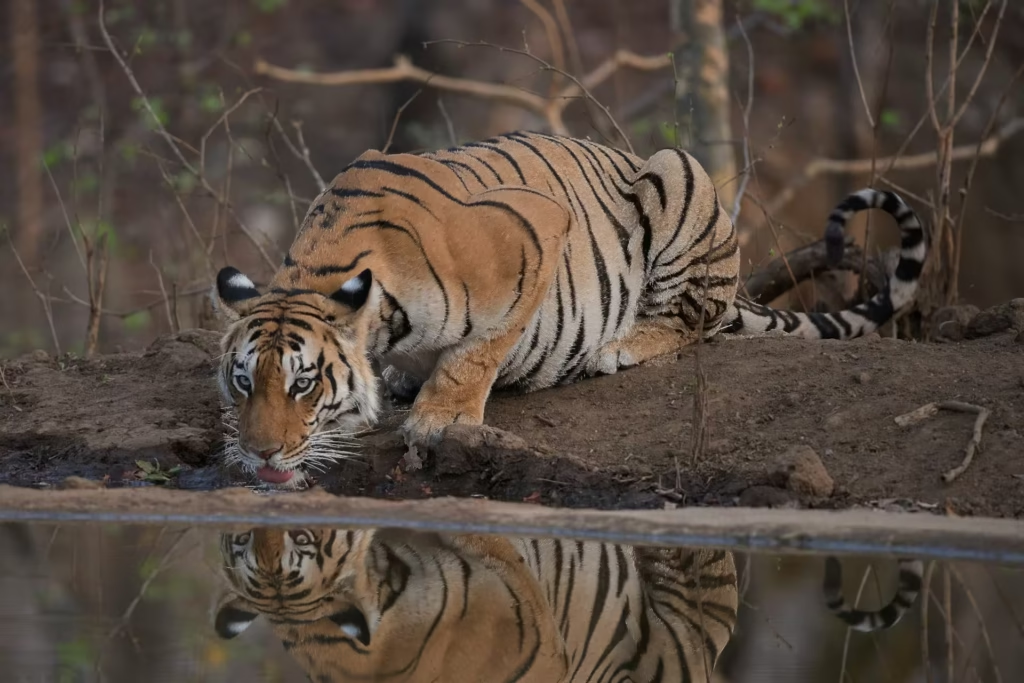
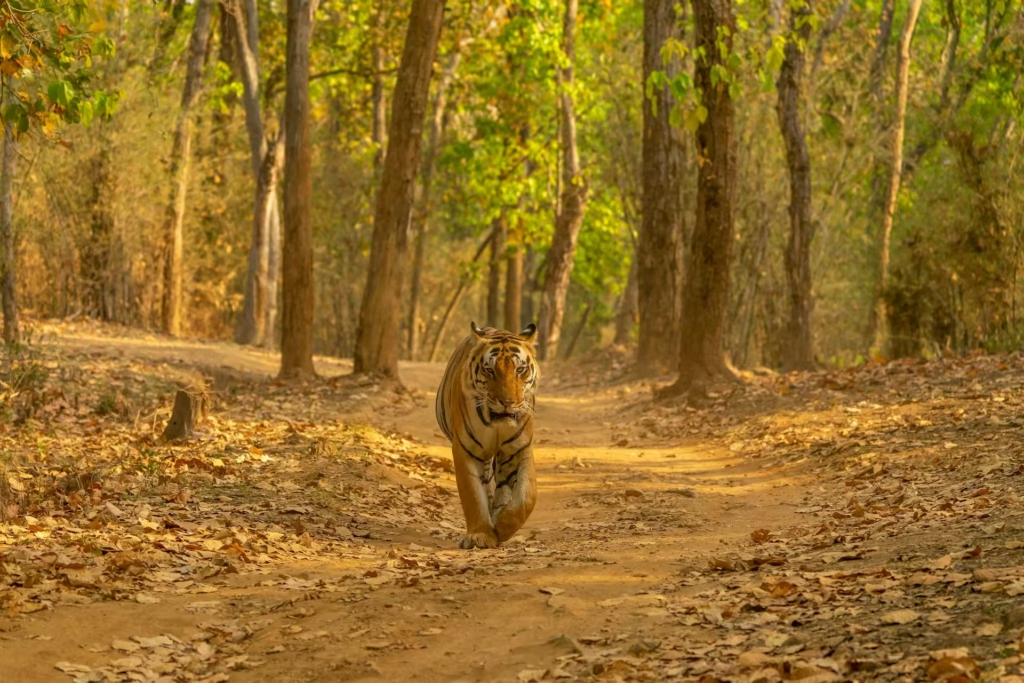
Pench offers prime habitat for Bengal tigers, with dense teak woodland, open areas and reliable water sources. Guides read pugmarks, alarm calls and fresh signs to track movement. Sightings remain wild and unpredictable, which makes every encounter special.
Follow the Forest's Smaller Stories
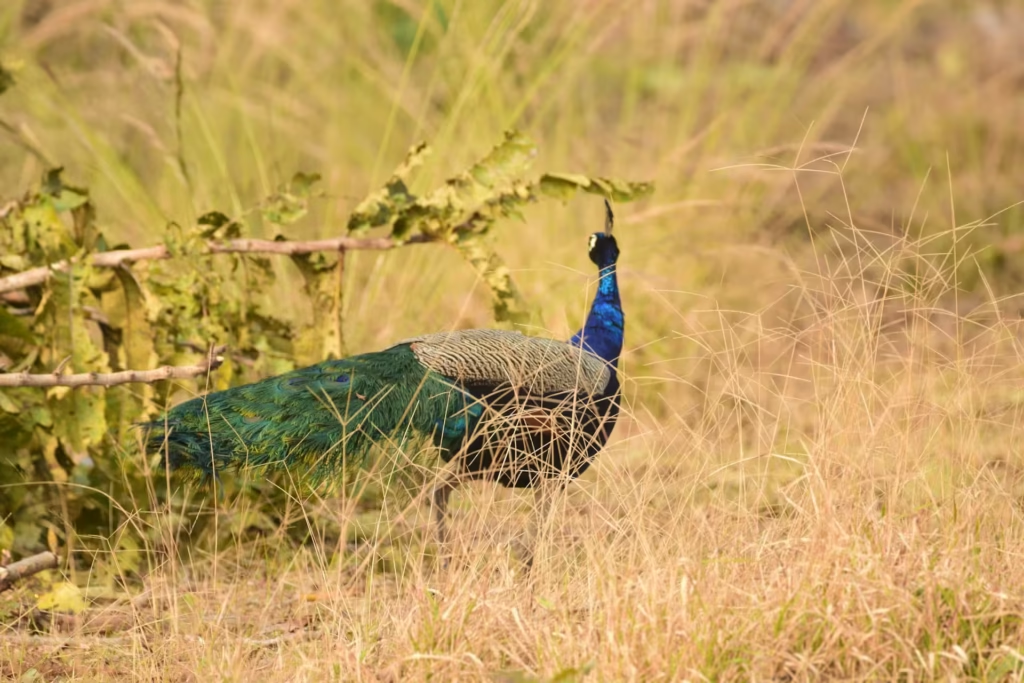
Dholes can hunt in coordinated packs, while leopards often stay hidden in thicker cover. Sloth bears search for insects and fruit near forest edges. Jungle cats and jackals are smaller predators that reward patient observers.
Watch the Herds and Grazers
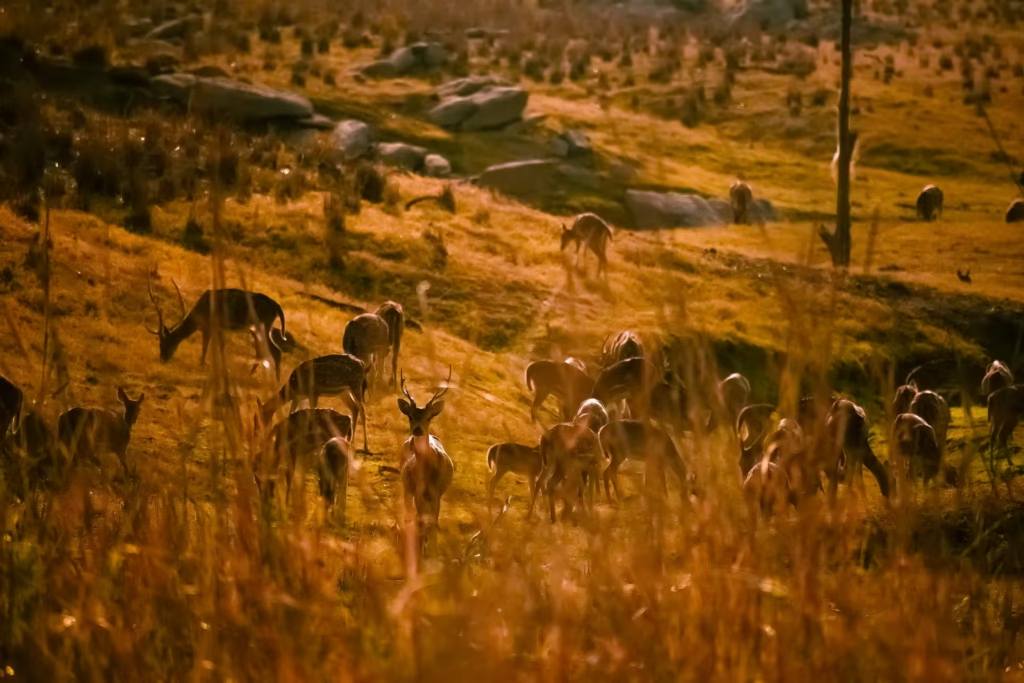
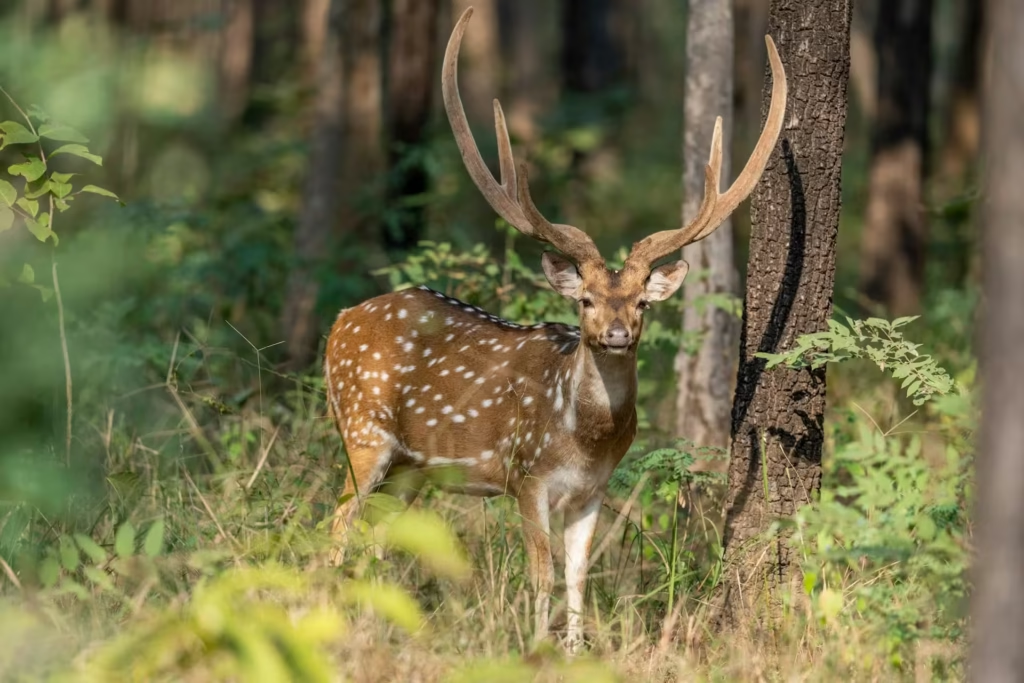
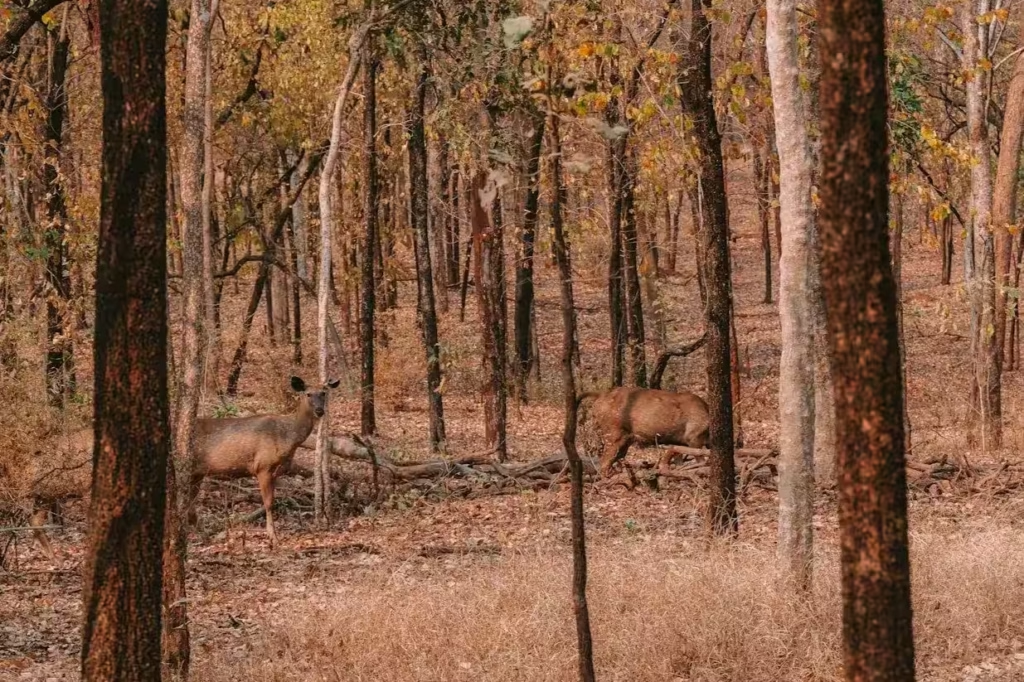
Chital often gather in large herds across open meadows, with sambar favouring denser cover. Gaur stand out for their size and dark coats. Wild boar and nilgai add more variety to each safari drive.
Look to the Trees and Sky
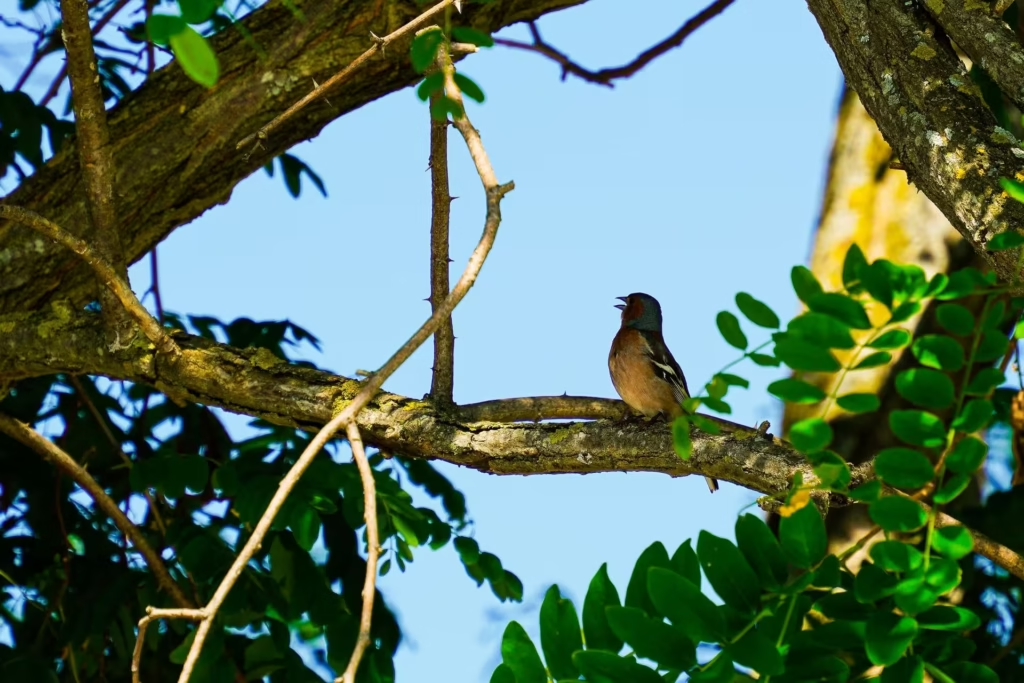
Pench is excellent for birdwatching, with more than 285 recorded species. Crested serpent eagles, Indian rollers, kingfishers, peafowl and hornbills are among the birds visitors can encounter. Early morning safaris offer the best bird activity.
Tigers and Wildlife of Pench
Pench Tiger Reserve protects much more than its famous Bengal tigers. The forest supports 39 mammal species, 13 reptile species, 3 amphibian species and more than 210 bird species, including migratory birds. Its teak forests, mixed deciduous woodland, bamboo and open grass areas provide varied habitats for wildlife.
Tigers of Pench
The Royal Bengal Tiger is Pench's dominant predator and the main draw for safari visitors. Leopards, dhole, jungle cats, wolves and jackals share the forest. Their prey includes chital, sambar, langur, wild boar and gaur. Guides track pugmarks, alarm calls and other signs during each drive.
Leopards, Dhole and Other Predators
Leopards often remain hidden in dense forest. Indian wild dogs hunt in packs and can cover large areas. Sloth bears, jungle cats, wolves and jackals add to Pench's varied predator population.
Gaur, Sambar and Chital
Chital and sambar form an important prey base for tigers and other carnivores. Gaur, nilgai and wild boar add further variety. Large chital herds are common around open meadows and forest edges.
Birds and Reptiles of Pench
Pench's birdlife includes Indian pitta, Indian roller, peafowl, Asian openbill, Indian scops owl, rufous treepie and greater racket-tailed drongo. Reptiles include Indian rock pythons, Russell's vipers, spectacled cobras, sand boas and Indian flapshell turtles.
Best time to visit Pench National Park
Pench changes noticeably through the year. Forest colour, temperatures, water availability and animal behaviour all affect the safari experience. The main safari season runs from October to June, subject to forest department rules and seasonal closures.
Winter
Oct–Feb
Cool, comfortable safari conditions with some post-monsoon greenery still visible. Mornings can feel cold, so warm layers are useful. Birdwatching is particularly rewarding.
Best for: general safari, first-timers, families, photographers
Spring
March
Transition toward hotter conditions as trees shed leaves and visibility improves. Chital, sambar and gaur are easier to spot in open areas during cooler mornings.
Best for: wildlife viewing, open forest visibility
Summer
Apr–Jun
High temperatures and sparse foliage push wildlife toward remaining water sources, often improving tracking. Early drives are more comfortable; afternoons need sun protection.
Best for: tiger tracking, experienced wildlife travellers
Monsoon
Jul–Sep
Heavy rain brings a fresh green forest, but regular tourism is often restricted or closed depending on the zone and forest authority. Check current opening dates before planning.
Best for: forest scenery, off-season interest only
How to Reach Pench National Park
For international travellers, Nagpur is the easiest gateway to Pench. Most visitors fly into Nagpur, meet a private driver and travel directly to their lodge. The road journey usually takes 2.5–4 hours, depending on the safari gate.
By Air
Nagpur International Airport is the nearest major airport. International travellers can connect through India's main aviation hubs before flying to Nagpur. A private airport transfer is the easiest way to continue to Pench.
By Road
Pench is around 90–120 km from Nagpur, depending on your lodge and safari gate. A private transfer takes about 2.5–4 hours. Pre-arranging your vehicle makes the arrival simple, especially with luggage and camera equipment.
By Rail
Nagpur Railway Station is the most practical rail gateway. It has regular connections with major Indian cities. From the station, a private transfer can take you directly to your Pench lodge.
How Many Days Do You Need in Pench?
The ideal stay depends on how many safari drives you want and how much time you have in India. A longer stay gives you more chances to explore different zones and observe wildlife at a relaxed pace.
2 Nights in Pench
Two nights work well for a short wildlife break from Nagpur. You can plan two to three safari drives across your stay. This gives you enough time to experience the forest and search for tigers, without adding too many days to your itinerary. It suits travellers combining Pench with other destinations in India.
3 Nights in Pench
Three nights offer a better safari experience for international visitors. You can plan three to four drives, explore different zones and allow time for birdwatching and wildlife photography. The extra night also gives you more flexibility if a safari produces limited sightings or your travel schedule changes.
4+ Nights in Pench
Four or more nights suit serious wildlife enthusiasts and photographers. More safari drives give you time to explore different habitats and spend longer watching animal behaviour. You can focus on tigers, birds, predators or photography without rushing between activities. A longer stay also works well as part of a wider Central India safari.
For most first-time visitors, 2–3 nights allow enough time for multiple safari drives without making the journey feel rushed.
Pench Safari Experiences
A Pench safari offers more than a search for tigers. Each drive reveals different wildlife, bird activity, light and forest conditions. Morning and afternoon safaris have their own character, so taking several drives gives you a fuller experience. Use an image card grid here, with one strong photograph for each experience.
Morning Tiger Safari
Early morning is one of the best times to explore Pench. The air feels cooler, and the forest often comes alive with bird calls and animal movement. Guides look for fresh pugmarks, alarm calls and movement around water. Tigers can be active during these hours, but sightings remain unpredictable.
Afternoon Forest Safari
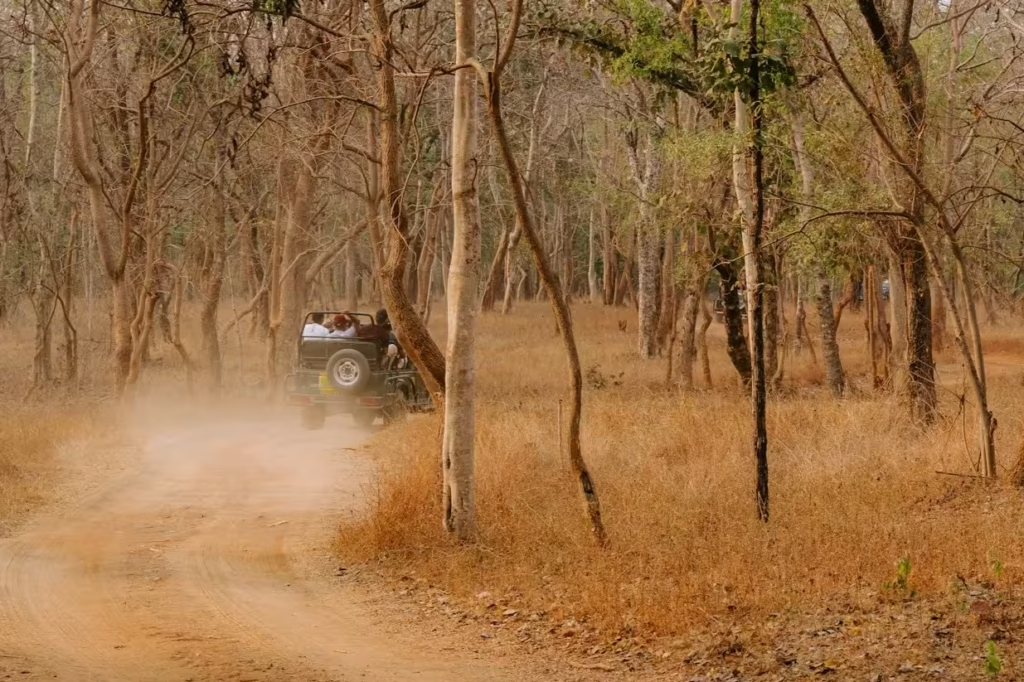
Afternoon safaris offer a different view of Pench. The sunlight creates strong contrasts across teak forests and open meadows. Animals often become active as temperatures begin to fall. Chital, sambar, gaur and langur can appear along forest tracks. The changing light can create excellent conditions for photography.
Birdwatching in Pench
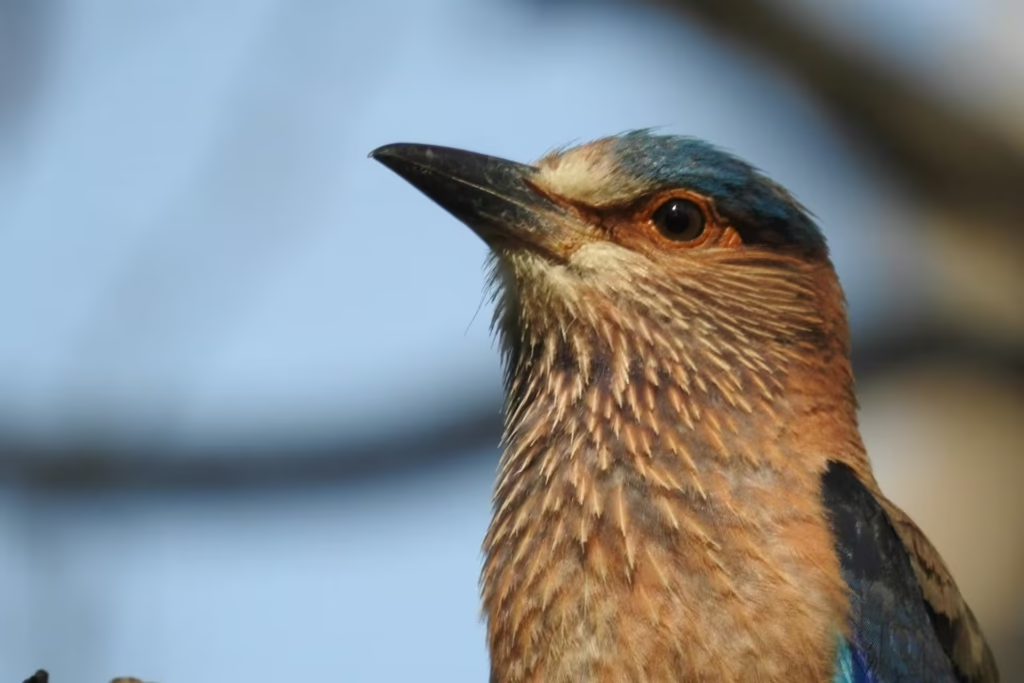
Pench supports more than 210 recorded bird species, making it rewarding for birdwatchers. Look for Indian rollers, peafowl, Indian pittas, hornbills, drongos and kingfishers. Early morning drives are especially productive. Carry binoculars and listen for calls from the canopy. A good guide can help identify species and behaviour.
Wildlife Photography
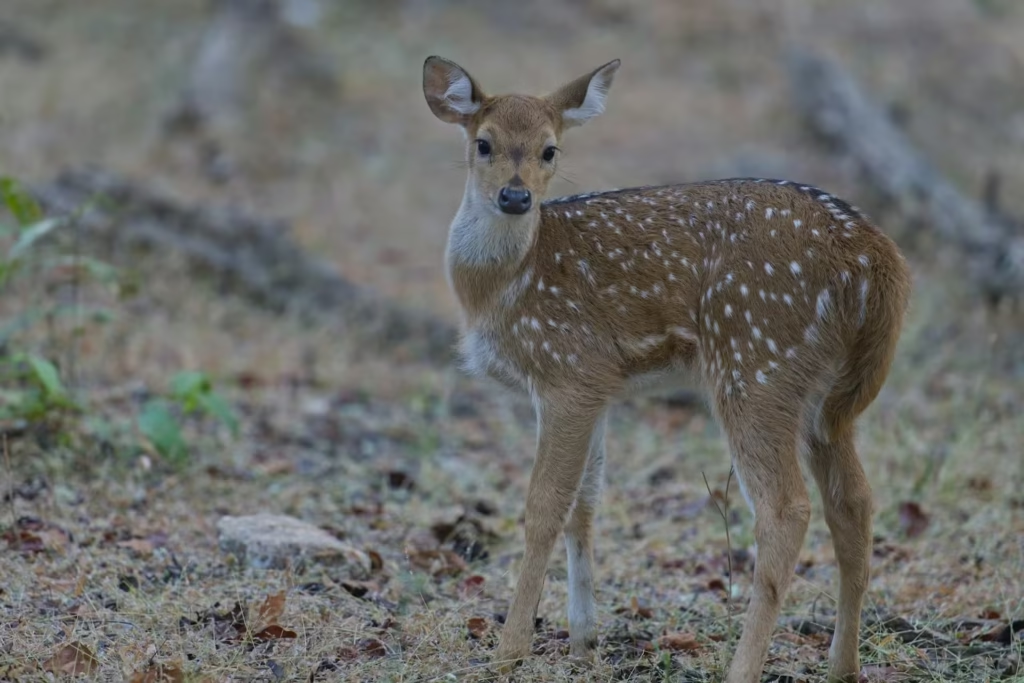
Pench offers varied subjects for photographers, from tigers and gaur to birds and forest scenery. An open safari vehicle provides clear viewing angles. A longer stay gives you more opportunities to work with changing light and animal behaviour. Carry a telephoto lens, spare batteries and enough memory cards.
Experience Central India's Wilderness
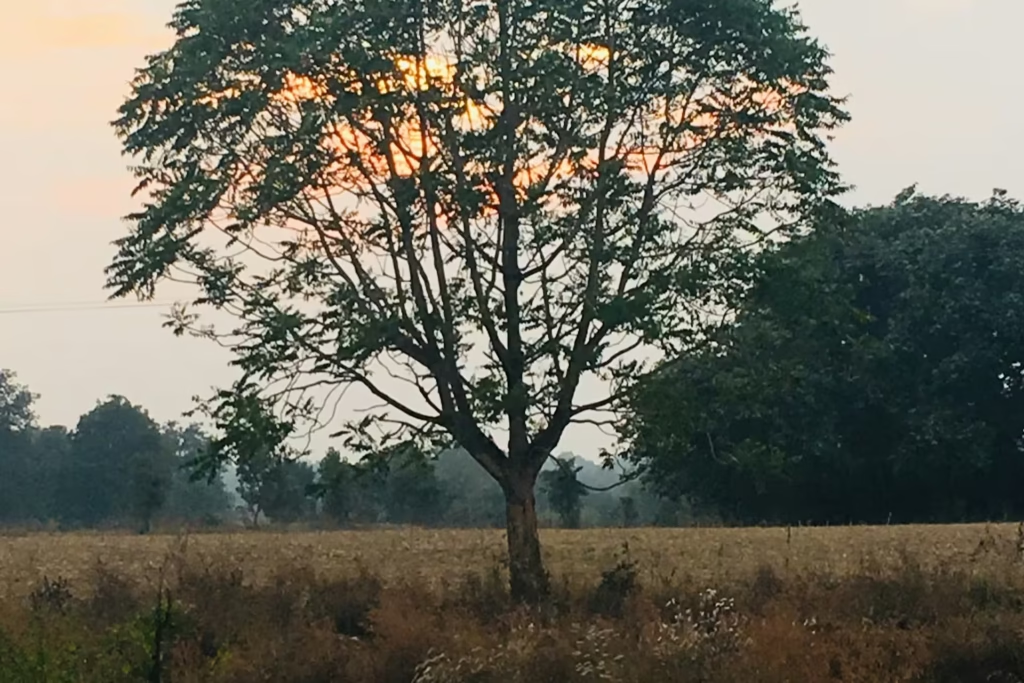
Pench gives visitors a close view of Central India's dry deciduous forests. Teak woodland opens into grass clearings, streams and water bodies. You may hear a langur alarm call, watch a gaur herd cross the track or spot a raptor overhead. These smaller moments make every safari different.
Pench Safari Tips for First-Time Visitors
- Book Early: Book your safari permits early, especially for travel between October and June, when popular dates fill quickly.
- Choose Multiple Safari Drives: Plan at least three safari drives to explore different forest areas and increase your wildlife viewing opportunities.
- Carry Binoculars: Bring 8x or 10x binoculars for spotting birds, distant animals and wildlife hidden among the trees.
- Dress for the Season: Wear comfortable, neutral-coloured layers, with warm clothing in winter and sun protection during the hotter months.
- Follow Your Guide's Instructions: Stay inside the vehicle, keep quiet and follow your guide's instructions throughout the safari.
- Never Expect a Guaranteed Tiger Sighting: Tiger sightings are never guaranteed, so enjoy the full forest experience and watch for other wildlife too.
Combine Pench With Other Indian Wildlife Destinations
Pench works well as part of a longer wildlife itinerary through Central India. Combining two or more reserves gives travellers different habitats, safari settings and wildlife experiences. For international visitors, a private itinerary also makes it easier to arrange transfers, accommodation and multiple safari drives without rushing between destinations.
Pench + Kanha
Pench and Kanha make a strong combination for a first Central India safari. Both reserves support Bengal tigers, leopards, dhole, gaur, sambar and chital, but their forests have distinct character. Kanha is known for its broad meadows and sal forests, while Pench features extensive teak woodland. Allow 2–3 nights in each reserve for several safari drives.
Pench + Tadoba
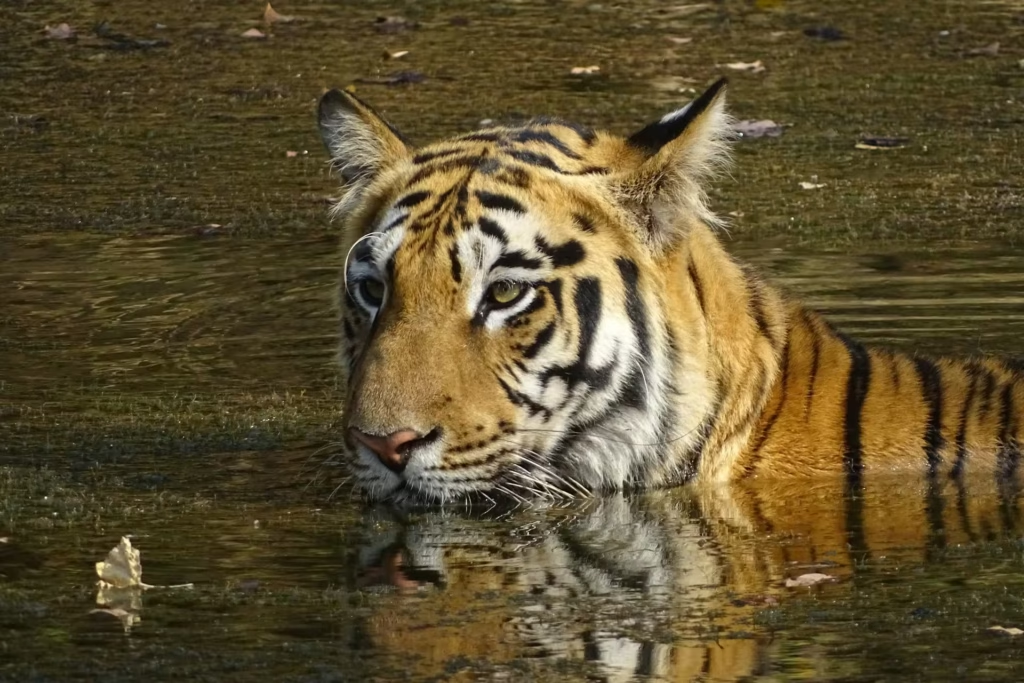
Pench and Tadoba suit travellers with a strong interest in tiger safaris. Tadoba is known for dry deciduous forests, bamboo and water bodies, while Pench offers extensive teak forest and open meadows. A 6–7 night itinerary can include multiple drives in both reserves. This combination works particularly well for wildlife photographers and dedicated tiger enthusiasts.
Pench + Satpura
Pench and Satpura offer two different wildlife experiences within Central India. Pench focuses strongly on jeep safaris and tiger tracking, while Satpura offers a broader range of activities and a quieter forest experience. A 2-night Pench stay followed by 2–3 nights in Satpura creates a varied itinerary with time for several wildlife experiences.
Pench + Other Central India Destinations
Pench can form part of longer routes that include Bandhavgarh, Panna or other Central Indian reserves. These combinations work well for international travellers with one to two weeks available. A private itinerary allows safari dates, transfers and lodge stays to be planned around the experience you want.
How to Plan Your Pench Safari
A well-planned Pench safari starts with the right combination of lodge, safari permits and time in the forest. For international travellers, we arrange the journey from Nagpur to Pench, including private transfers and carefully selected wildlife lodges close to the preferred safari gates.
We can plan multiple safari drives across your stay, giving you more opportunities to explore different habitats and observe wildlife. Experienced guides and naturalists add depth to each drive, from identifying alarm calls to explaining animal behaviour and forest ecology.
Your itinerary can focus on tiger tracking, wildlife photography, birdwatching or a broader forest experience. For travellers with more time, we can combine Pench with Kanha and create a longer Central India safari.
Every journey can be tailored around your travel dates, preferred accommodation, safari interests and pace. You can choose a short two-night stay or a longer wildlife-focused itinerary with several safari drives.
Frequently Asked Questions About Pench National Park
What is Pench National Park famous for?
Pench National Park is famous for its Bengal tigers, teak forests and connection with Rudyard Kipling's The Jungle Book. The reserve supports a wide range of wildlife, including leopards, dhole, gaur, sambar, chital and more than 200 recorded bird species.
Is Pench National Park good for tiger sightings?
Pench offers good opportunities to see Bengal tigers in their natural habitat. The reserve has suitable tiger habitat, a healthy prey base and several water sources. Sightings are never guaranteed, so planning multiple safari drives gives you more opportunities to encounter a tiger.
What is the best time to visit Pench?
The main safari season runs from October to June, subject to forest department rules. October to February offers cooler weather and pleasant safari conditions. March to June brings hotter, drier conditions, which can improve visibility and make wildlife easier to track around remaining water sources.
Which safari zone is best in Pench?
There is no single zone that stays best throughout the year. Tiger movement changes with water availability, prey movement, territory and recent activity. Popular tourism gates include Turia, Karmajhiri and Jamtara on the Madhya Pradesh side. Taking safaris across different zones gives you a broader forest experience.
How much does a Pench safari cost?
Pench safari prices vary according to the permit, vehicle, guide, visitor category, zone and booking method. Private jeep safaris cost more than shared arrangements. Rates can change, so check current official charges before booking. Lodge packages can include safari planning, transfers and other services within the total price.
How do I book a Pench safari?
Safari permits should be booked through the relevant official forest department booking system or an authorised safari operator. You will need valid identification that matches your reservation details. International travellers should book ahead, especially for travel during the busy October to June season.
How many days are enough for Pench?
Two to three nights work well for most first-time visitors. This allows time for several safari drives without making the stay too long. Wildlife photographers and serious tiger enthusiasts can stay four or more nights. A longer stay gives you more opportunities to explore different zones and observe animal behaviour.
How far is Pench from Nagpur?
Pench is roughly 90–120 km from Nagpur, depending on your lodge and safari gate. A private transfer usually takes around 2.5–4 hours. Nagpur is the preferred gateway for international travellers visiting Pench, with its international airport and convenient road connections to the reserve.
What animals can you see in Pench?
Pench supports Bengal tigers, leopards, dhole, sloth bears, jungle cats, jackals, gaur, sambar, chital, wild boar and nilgai. The reserve also supports a rich bird population, including Indian rollers, peafowl, Indian pittas, hornbills, kingfishers and raptors.
Is Pench National Park worth visiting?
Pench is an excellent choice for travellers seeking a classic Central Indian wildlife experience. Its teak forests, open meadows and water bodies create varied safari settings. Tigers are the main attraction, but the reserve offers much more, from dhole and gaur to diverse birdlife and memorable forest drives.