
Bandhavgarh National Park
The forest where tigers roam beneath an ancient fort
Bandhavgarh at a Glance
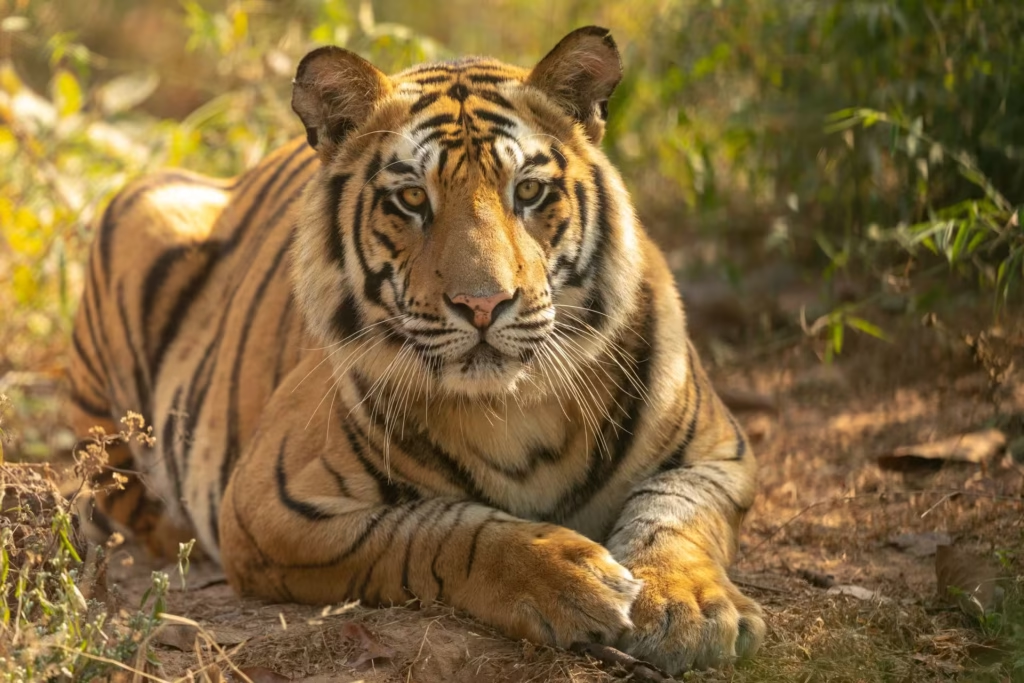
Bandhavgarh is known for its strong tiger habitat, but its landscape extends well beyond the big cats. Sal forest, mixed woodland, hills, valleys, meadows and water bodies create a varied setting for wildlife. The reserve also supports leopards, wild dogs, hyenas, gaur, sambar, chital and many bird species. The combination of forest and historic Bandhavgarh Fort gives the destination a character that is different from many other Central Indian reserves.
Discover Bandhavgarh National Park
Bandhavgarh's character comes from the meeting of sal forest, mixed woodland, rocky hills and open meadows. Located in the eastern Satpura hill range, the reserve contains valleys, rivers, marshes and varied vegetation that support a diverse wildlife community. Tigers are the main attraction, but the landscape also provides habitat for leopards, wild dogs, gaur, deer and many bird species. Above this forested setting sits the historic Bandhavgarh Fort, adding a visible link between the area's natural and cultural history.
Sal Forest and Mixed Woodland
Sal is one of the defining features of Bandhavgarh's vegetation, with mixed forest adding variety across the reserve. Different forest structures create changes in visibility and animal movement during a safari. The reserve's official information records around 515 plant species, reflecting the range of habitats found across its hills, valleys and forest floor.
Hills, Valleys and Open Meadows
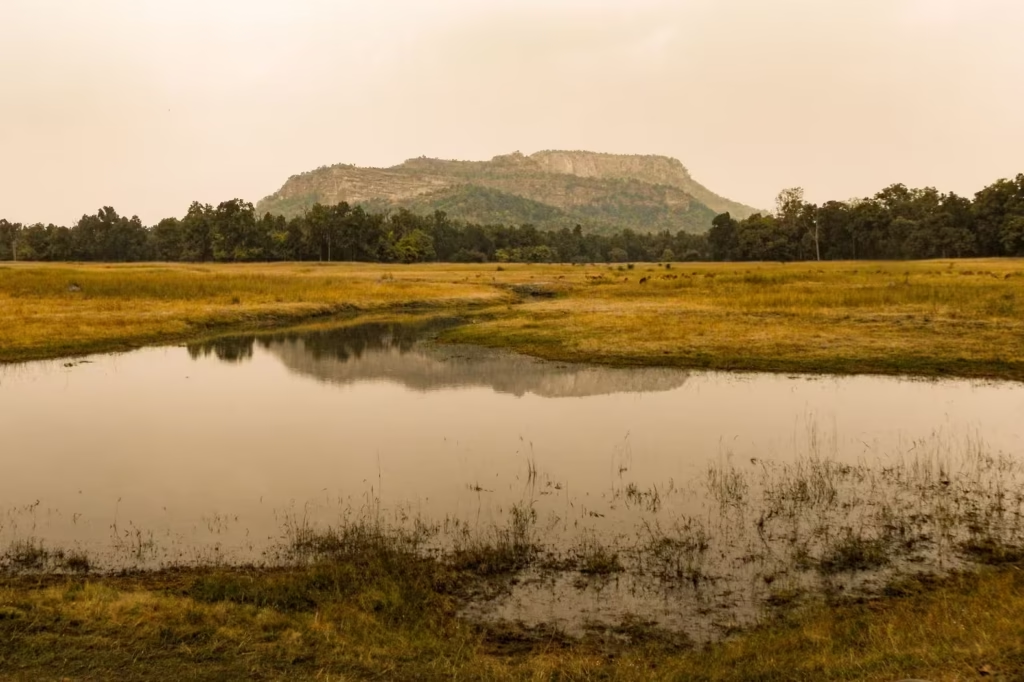
Bandhavgarh is not a flat forest landscape. Hills, valleys, marshes and meadows occur across the reserve, creating different habitats within relatively short safari routes. Open areas can provide wider views of herbivores, while wooded sections offer a more enclosed forest experience.
Bandhavgarh Fort and the Forest
The ancient Bandhavgarh Fort is closely associated with the identity of the reserve. Its elevated position above the surrounding forest creates one of the most recognisable views in the area. The fort and its surrounding landscape give a safari here a stronger historical setting than many wildlife reserves.
Why Go on Safari in Bandhavgarh?
A Bandhavgarh safari offers more than a search for tigers. The reserve changes between sal forest, mixed woodland, open meadows and hill country, while the fort and rocky landscape add visual interest along the way. Several safari drives also give you more time to notice herbivores, birds and smaller wildlife between major sightings.
Tiger Tracking
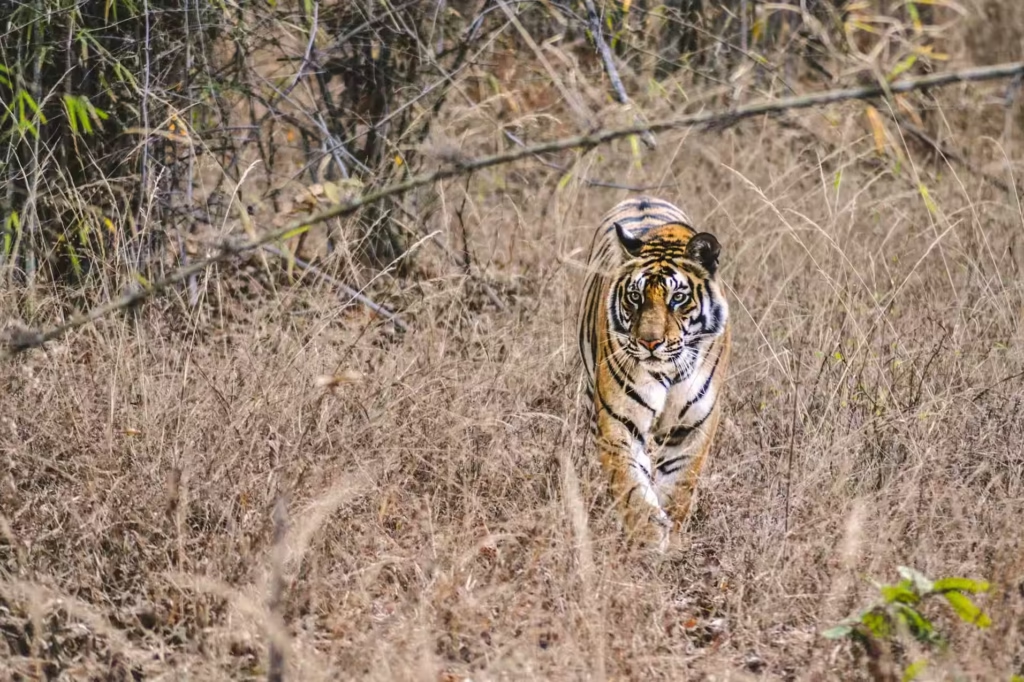
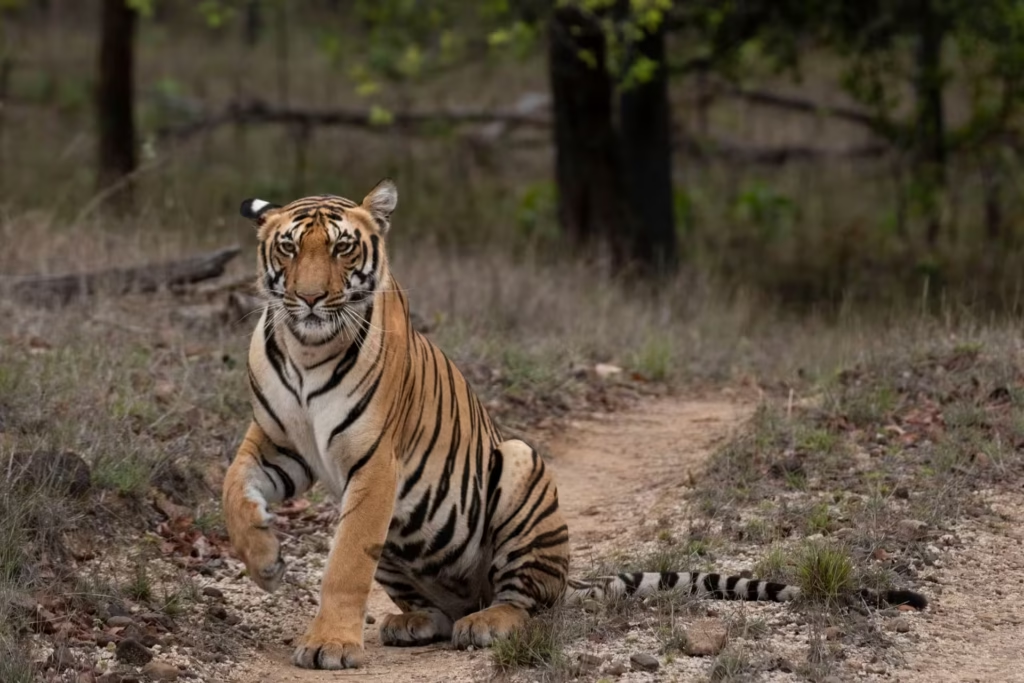
Bandhavgarh is particularly known for its tiger habitat and has long been associated with tiger tourism. Tracking still depends on animal movement, field signs, alarm calls and the conditions of the day rather than a guaranteed route.
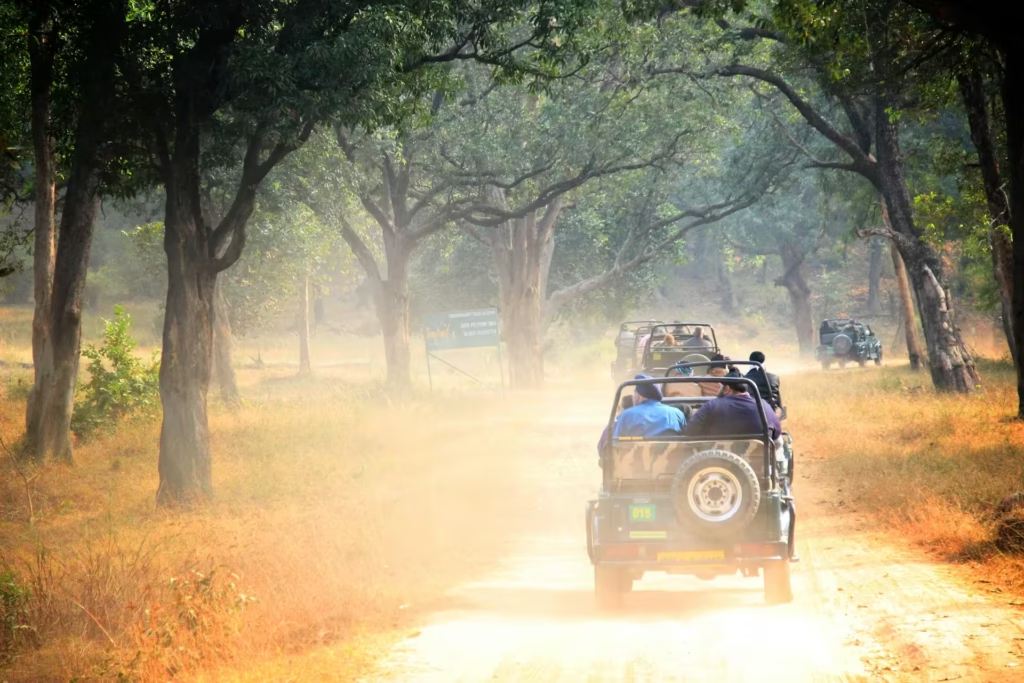
Sal Forest Safaris
Driving through sal forest gives Bandhavgarh a distinct woodland character. Changes in vegetation and light can make the same route feel different between morning and afternoon, particularly as the dry season progresses.
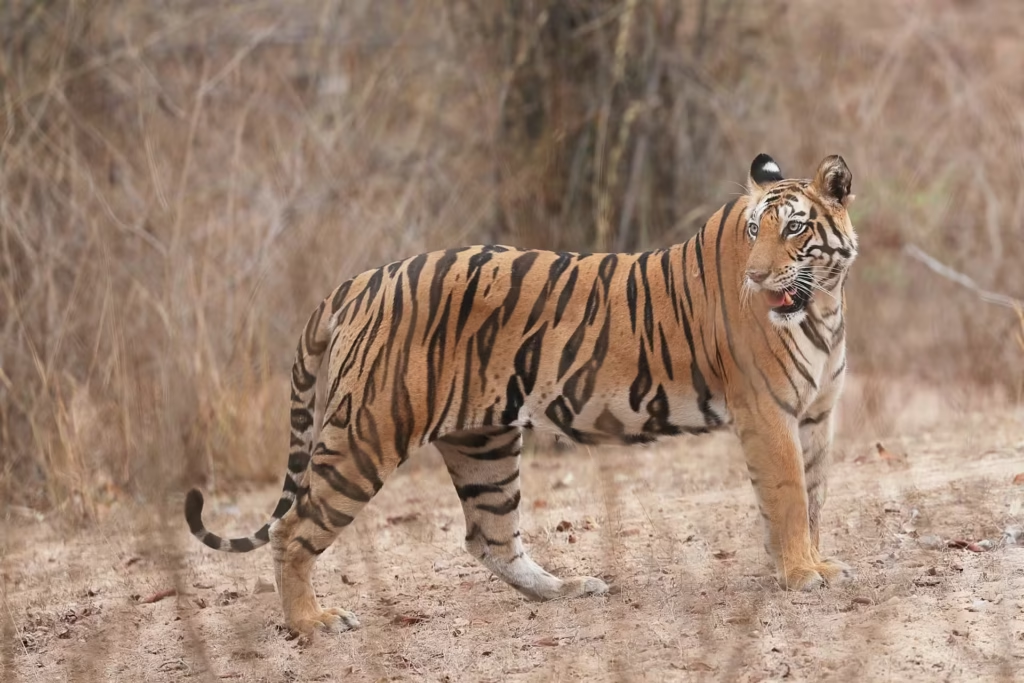
Meadows and Herbivores
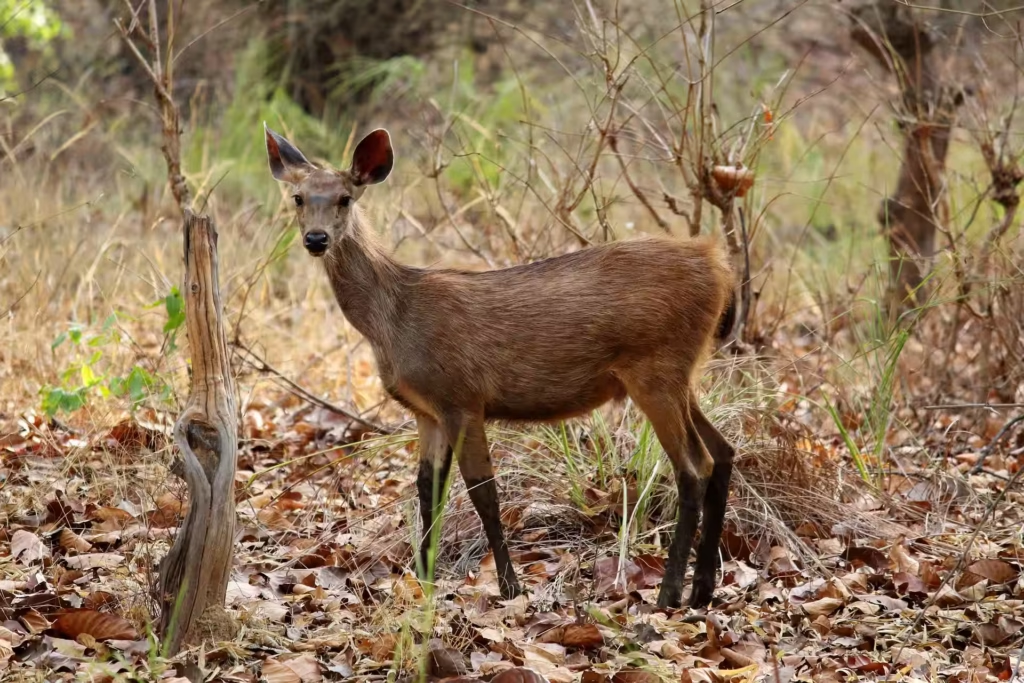
Open meadows and grassland patches provide important feeding areas for herbivores such as chital and sambar. These areas can also offer wider views than the denser forest.
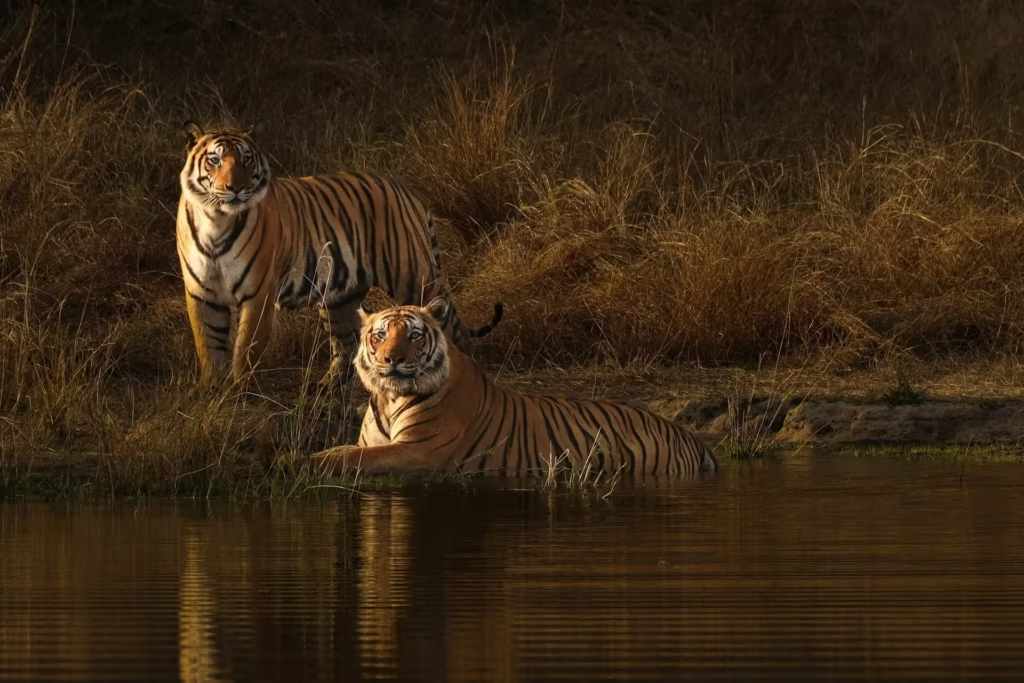
Fort and Wildlife Landscape
Bandhavgarh combines wildlife with a strong historic setting. Views of the fort, hills and forest can appear during a safari, making the landscape itself part of the experience.
Tigers and Wildlife of Bandhavgarh
Bandhavgarh supports a broad wildlife community across its forest, meadow and hill habitats. Tigers are the reserve's best-known species, but leopards, wild dogs, hyenas, gaur, sambar, chital and other mammals are also part of the landscape. The reserve's official information also records a rich bird community and a wide range of reptiles and insects.
Tigers of Bandhavgarh
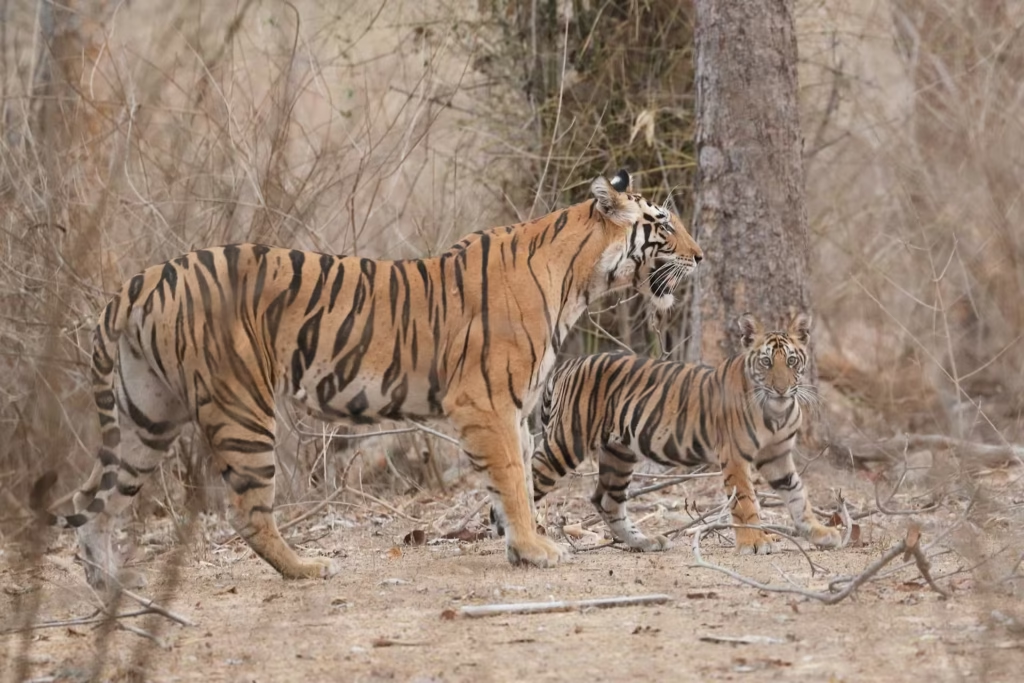
Tigers are central to Bandhavgarh's safari identity. The reserve provides varied habitat across its core and buffer areas, although individual sightings remain dependent on natural movement and cannot be guaranteed.
Leopards and Other Carnivores
Leopards, wild dogs, hyenas, wild cats and other carnivores share Bandhavgarh with tigers. These species can be harder to encounter, making patient observation important during quieter stretches of a drive.
Gaur, Sambar and Chital
Gaur, sambar and chital form an important part of Bandhavgarh's herbivore community. Watching where these animals feed, rest or react to alarm calls can provide useful clues about activity elsewhere in the forest.
Birds and Other Wildlife
Bandhavgarh supports a varied bird community, with the official reserve website listing around 242 bird species. Its elevated hills and cliffs also provide nesting habitat for several vulture species.
Best time to visit Bandhavgarh National Park
The official Bandhavgarh Tiger Reserve information lists 15 October to 15 June as the best time to visit. Winter brings cooler safari conditions, while the hotter months create a drier forest landscape and can change how wildlife uses water and open areas.
Winter
Oct–Feb
The cooler months are generally more comfortable for safari drives, particularly during early morning outings. Forest conditions remain different from the later dry season, while cooler daytime weather also makes longer wildlife days easier.
Best for: comfortable safaris, first-time visitors
Spring
March
Temperatures begin rising and the forest gradually becomes drier. The changing conditions can make wildlife observation interesting as animals respond to warmer days and shifting vegetation.
Best for: wildlife viewing, open forest visibilitybalanced weather and wildlife viewing
Summer
Apr–Jun
The hottest part of the season brings drier conditions and higher temperatures. As natural water becomes more important, wildlife behaviour around available water can become an interesting part of safari observation.
Best for: experienced wildlife travellers, wildlife tracking
Monsoon
Jul–Sep
The main tourism season does not extend through this period. Rain changes the appearance of the forest, while regular tourist access follows the reserve's current seasonal rules.
Best for: forest scenery and future-season planning
How to Reach Bandhavgarh National Park
Bandhavgarh has several access points, and the best gateway depends on the safari zone and accommodation. The reserve lists Umaria, Katni and Jabalpur as railway options and Jabalpur, Khajuraho and Nagpur as nearby airport choices. Road distances also vary by entry point.
By Air
Jabalpur, Khajuraho and Nagpur are listed by the reserve as airport options. Jabalpur is particularly useful for many wildlife itineraries, while the best choice depends on the rest of your journey and selected entry point.
By Road
Bandhavgarh is connected by road with Umaria, Katni and Jabalpur. The actual journey varies by safari entry point. For example, the reserve lists approximately 32 km between Umaria and Tala, compared with 37 km to Khitauli and 38 km to Maghadhi.
By Rail
Umaria, Katni and Jabalpur are the main railway options listed by the reserve. Umaria is particularly useful for the Tala, Khitauli and Maghadhi entry areas, although the final road transfer depends on your selected gate.
How Many Days Do You Need in Bandhavgarh?
The ideal stay depends on how many safari drives you want and whether Bandhavgarh is part of a wider Madhya Pradesh itinerary. A longer stay gives you more flexibility across the reserve's tourism zones and reduces the pressure to rely on one particular safari for your main wildlife experience.
Ideal stay: 3 - 4 nights for most first-time visitors, allowing several safari drives at a comfortable pace.
2 Nights in Bandhavgarh
Two nights can work when Bandhavgarh is one stop in a larger Central India itinerary. You can fit in a few safari drives, but there is less flexibility if weather, availability or wildlife movement affects one of them.
3 Nights in Bandhavgarh
Three nights provide a better balance for most visitors. Several morning and afternoon drives give you opportunities to experience different parts of the reserve and spend more time observing wildlife beyond tigers.
4+ Nights in Bandhavgarh
Four or more nights suit photographers and dedicated wildlife travellers who prefer a slower pace. Extra safari opportunities give you more flexibility and make the trip less dependent on any single sighting.
For most visitors, 3 - 4 nights provides enough time for several safaris without making the wildlife stay unnecessarily long.
Bandhavgarh Safari Experiences
A Bandhavgarh safari offers more than a search for tigers. Each drive brings different wildlife, bird activity, light and forest conditions. Morning and afternoon safaris have their own character, while the combination of sal forest, meadows, hills and historic ruins gives the reserve a varied setting.
Morning Safari
Early drives bring cooler conditions and softer light across the forest. Wildlife can be active before temperatures rise, while the changing morning light can reveal details in the sal woodland and open meadows.
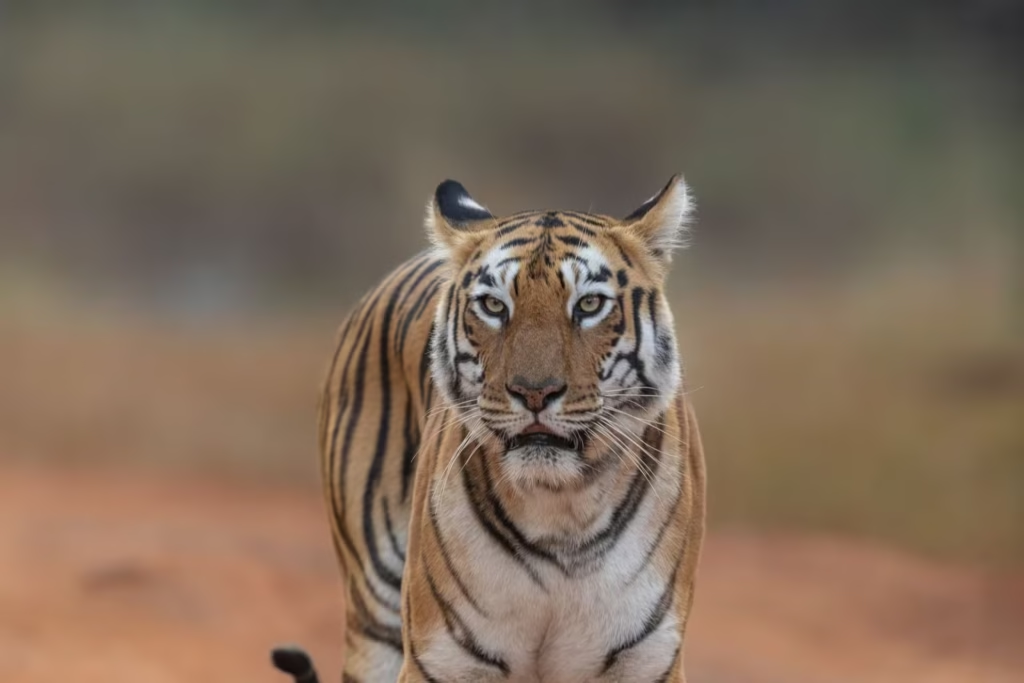
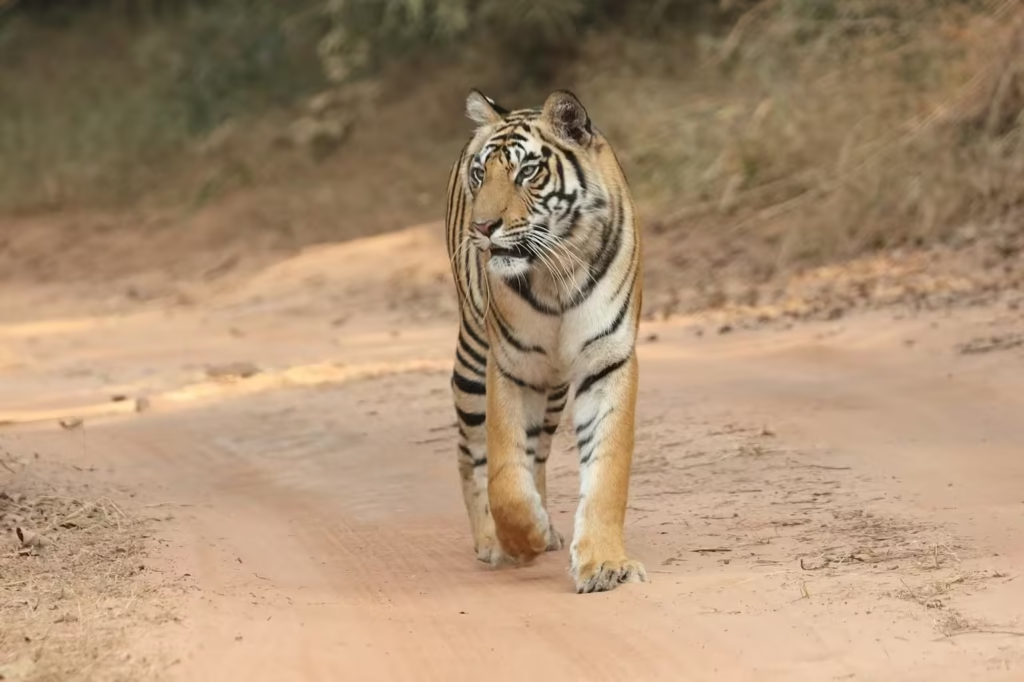
Tiger Tracking
Tiger tracking is based on reading the forest rather than following a fixed route. Alarm calls, tracks, movement and behaviour of prey animals can all help guides assess where wildlife may be moving.
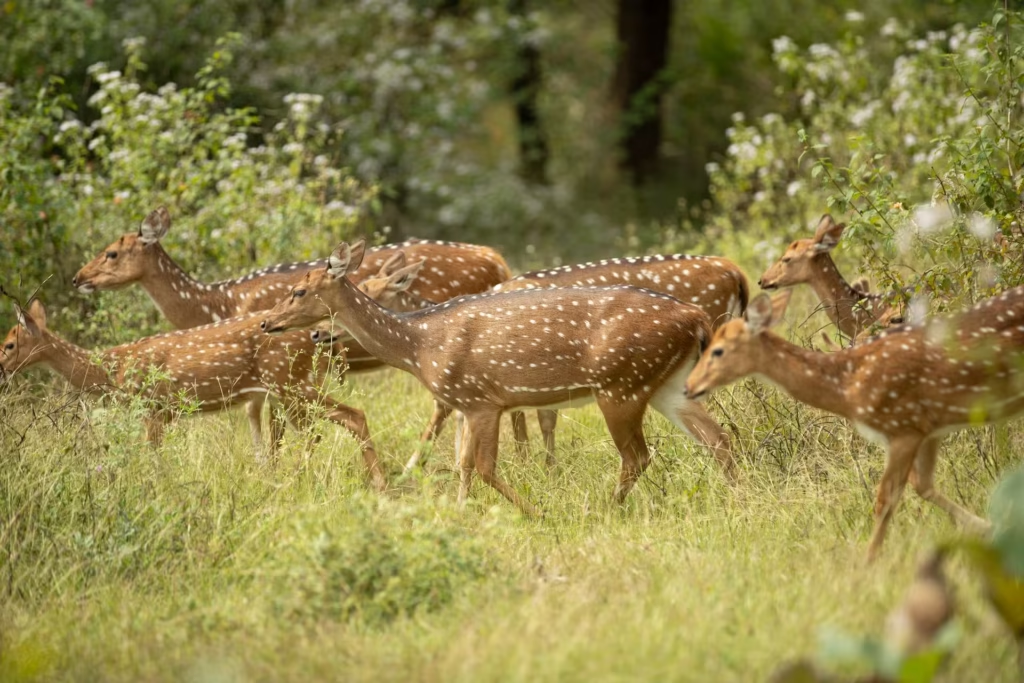
Meadow and Herbivore Viewing
Bandhavgarh's open areas provide a different viewing experience from the surrounding forest. Chital, sambar and gaur can be observed feeding or moving through these spaces, while their behaviour can sometimes reveal activity nearby.
Fort and Hill Landscapes
The presence of Bandhavgarh Fort gives some safari routes a distinctive backdrop. Hills, rocky slopes and forest combine with the historic structure to create views that are unusual for a tiger reserve.
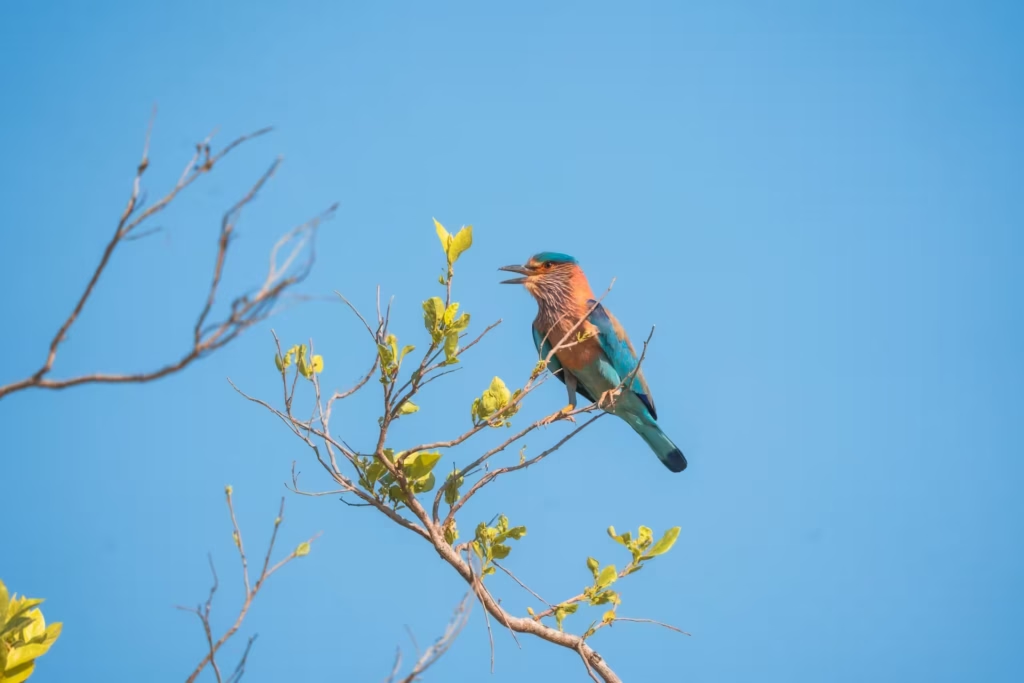
Birdwatching
Bandhavgarh's birdlife adds another layer to a safari. Raptors, vultures, woodland birds and smaller species can appear across forest and open habitats, so binoculars are useful when the vehicle is moving slowly.
Bandhavgarh Safari Tips for First-Time Visitors
- Book Early: Book your safari permits early, especially for travel between October and June, when popular dates fill quickly.
- Choose Multiple Safari Drives: Plan at least three safari drives to explore different forest areas and increase your wildlife viewing opportunities.
- Carry Binoculars: Bring 8x or 10x binoculars for spotting birds, distant animals and wildlife hidden among the trees.
- Dress for the Season: Wear comfortable, neutral-coloured layers, with warm clothing in winter and sun protection during the hotter months.
- Follow Your Guide's Instructions: Stay inside the vehicle, keep quiet and follow your guide's instructions throughout the safari.
- Never Expect a Guaranteed Tiger Sighting: Tiger sightings are never guaranteed, so enjoy the full forest experience and watch for other wildlife too.
Combine Bandhavgarh With Other Indian Wildlife Destinations
Bandhavgarh works well in a Central India wildlife itinerary because it can be paired with other tiger reserves offering different landscapes and safari conditions. Kanha, Pench and Satpura are useful options, while the final combination should take road transfers and the number of safari nights into account.
Bandhavgarh + Kanha
Kanha and Bandhavgarh create a strong Madhya Pradesh wildlife combination. The two reserves offer different forest landscapes and wildlife experiences, allowing travellers to spend more time in tiger habitat without relying on a single park.
Bandhavgarh + Pench
Pairing Bandhavgarh with Pench adds another Central Indian forest landscape to the itinerary. It works particularly well for travellers planning several safari days across more than one reserve.
Bandhavgarh + Satpura
Bandhavgarh and Satpura provide a useful contrast in landscape and safari character. The combination suits travellers who want to experience different forest environments rather than focusing only on tiger sightings.
Bandhavgarh + Other Central India Destinations
Bandhavgarh can be combined with several Central Indian wildlife destinations depending on the route. Kanha is a natural choice for a longer Madhya Pradesh itinerary, while Pench and Satpura offer different forest settings and safari experiences. The best combination depends on transfer time, safari availability and how many nights you want to spend in each reserve.
How to Plan Your Bandhavgarh Safari
Start by choosing your travel dates and then decide which safari area and accommodation location fit your itinerary. Bandhavgarh has three core tourism zones, Tala, Maghadhi and Khitauli, alongside buffer tourism zones including Dhamokhar, Johila and Panpatha. The reserve's official information shows that vehicle capacity and entry arrangements vary between zones.
Safari permits, availability and current rules should be checked through the Madhya Pradesh Forest Department's official booking system. Current booking arrangements can change between tourism seasons, so avoid relying on old tariff pages or third-party information. The department is currently publishing 2026–27 booking updates through its official portal.
Accommodation should be selected according to your safari gate rather than only by hotel category. Tala, Maghadhi and Khitauli have different access points, and the final road journey can vary considerably depending on where you stay. Allow enough time for arrival and departure transfers, especially when combining Bandhavgarh with another reserve.
Frequently Asked Questions About Bandhavgarh National Park
What is Bandhavgarh National Park famous for?
Bandhavgarh is particularly known for its tiger habitat, sal forests, varied terrain and the historic Bandhavgarh Fort.
Is Bandhavgarh National Park good for tiger sightings?
Bandhavgarh is a well-known tiger reserve with suitable tiger habitat, but sightings remain unpredictable and cannot be guaranteed.
What is the best time to visit Bandhavgarh National Park?
The official Bandhavgarh Tiger Reserve information lists 15 October to 15 June as the best visiting period.
Which safari zone or gate is best in Bandhavgarh?
The three core tourism zones are Tala, Maghadhi and Khitauli. The most suitable zone depends on your permit, accommodation and current safari availability rather than one zone being permanently best.
How much does a Bandhavgarh safari cost?
The current cost depends on the permit category, vehicle arrangement, guide and applicable Madhya Pradesh Forest Department tariff. Check the official booking system for the latest amount.
How do I book a Bandhavgarh safari?
Safari permits can be checked and booked through the Madhya Pradesh Forest Department's official online system. Current booking windows and availability should be checked before travel.
How many days are enough for Bandhavgarh National Park?
Three to four nights work well for most visitors who want several safari drives without making the itinerary too long.
How far is Bandhavgarh National Park from Umaria?
The distance varies by entry point. The official reserve information lists approximately 32 km to Tala, 37 km to Khitauli and 38 km to Maghadhi from Umaria.
What animals can you see in Bandhavgarh National Park?
Wildlife includes tiger, leopard, wild dog, hyena, wolf, gaur, chital, sambar and other mammals, along with a wide range of birds, reptiles and insects.
Is Bandhavgarh National Park worth visiting?
Yes, particularly if you want a tiger safari combined with sal forest, open meadows, hills and the distinctive historic setting of Bandhavgarh Fort.