
Kanha National Park
The wild heart of Madhya Pradesh, home to tigers, sal forests and the rare barasingha.
Kanha at a Glance
Kanha is one of Central India's most distinctive wildlife landscapes, where sal forest opens into broad meadows and water bodies. The reserve supports tigers, leopards, wild dogs, gaur, sambar, chital and the endangered hard-ground barasingha. Its combination of woodland and open grassland creates varied safari conditions and makes the landscape interesting even when no large animal is immediately in view.
Discover Kanha National Park
Kanha's character comes from the contrast between dense sal woodland and open grasslands. The reserve lies in the Maikal ranges of the Satpuras, with forest, meadows and water sources creating a varied habitat for wildlife. Kanha is especially known for its hard-ground barasingha, whose conservation has become one of the reserve's defining stories. Tigers share this landscape with leopards, wild dogs, gaur, sambar, chital and many other species.
Sal Forest and Open Meadows
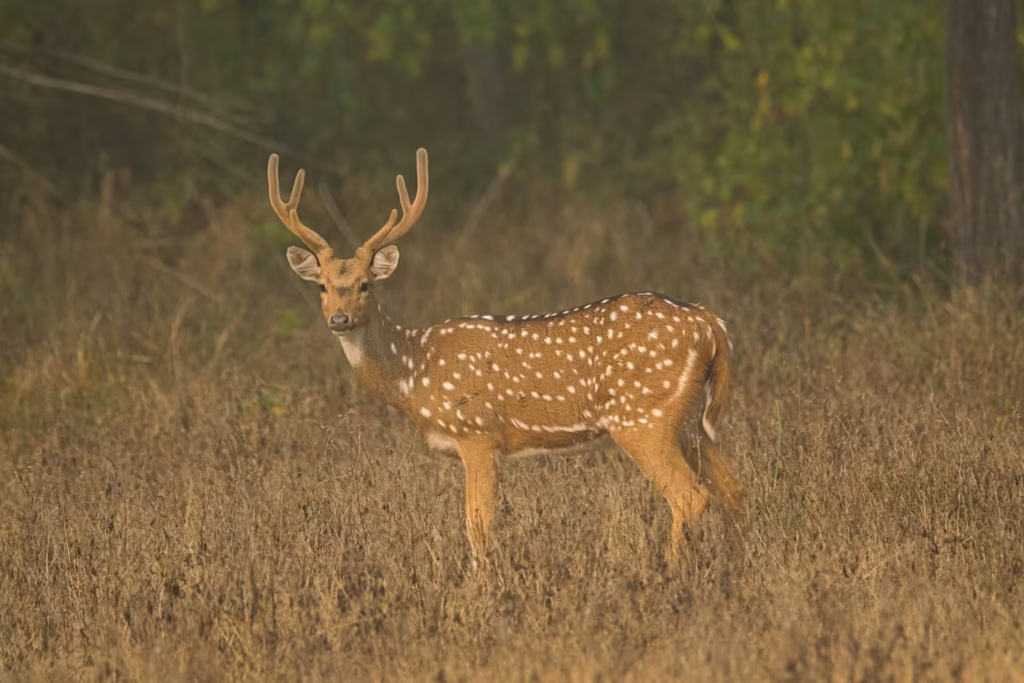
Sal is a major part of Kanha's forest character, mixed with other tree species and areas of open grassland. The meadows are important feeding areas for herbivores such as chital, sambar, gaur and barasingha. These open patches also create different viewing conditions from the denser woodland, making the transition between forest and meadow an important part of a Kanha safari.
Kanha's Meadows and Water Bodies
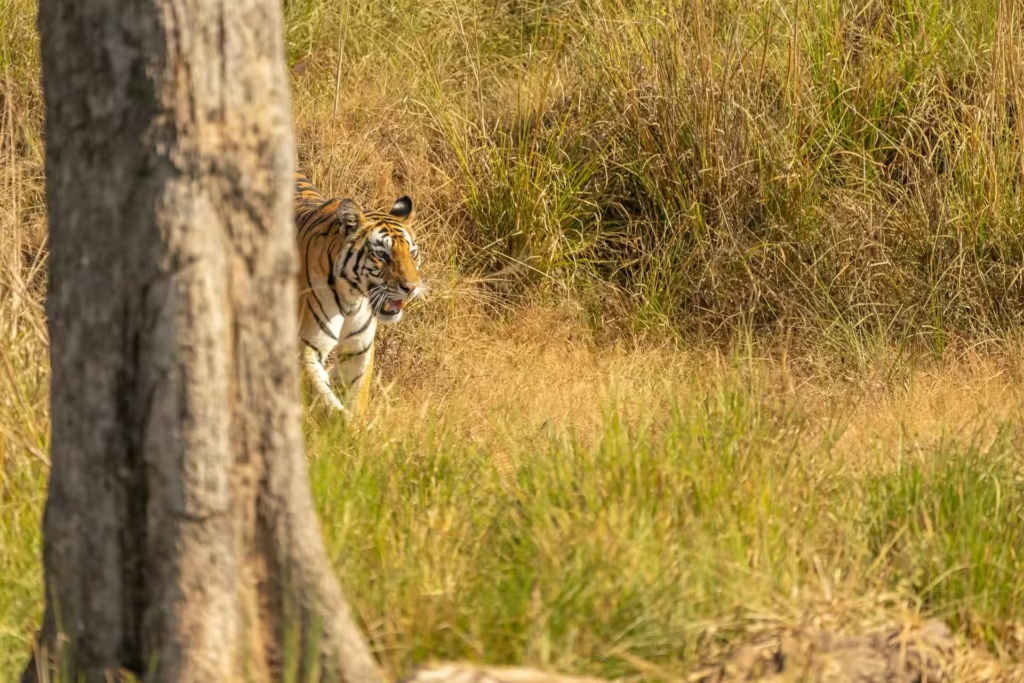
The reserve's meadows attract large herbivores and can also bring predators into the same landscape. Kanha Meadows and Sonf Meadows are recognised wildlife-viewing areas, while water bodies such as Shravan Tal attract animals through the day. The relationship between open grassland, forest cover and water gives Kanha a varied safari landscape.
A Landscape Shaped by Conservation
Kanha's landscape has also been shaped by long-term habitat management. Grasslands and meadows are maintained as important habitat for herbivores, especially hard-ground barasingha, while water distribution and vegetation management support the wider prey base. This conservation work is part of why Kanha remains closely associated with both tiger habitat and barasingha recovery.
Why Go on Safari in Kanha?
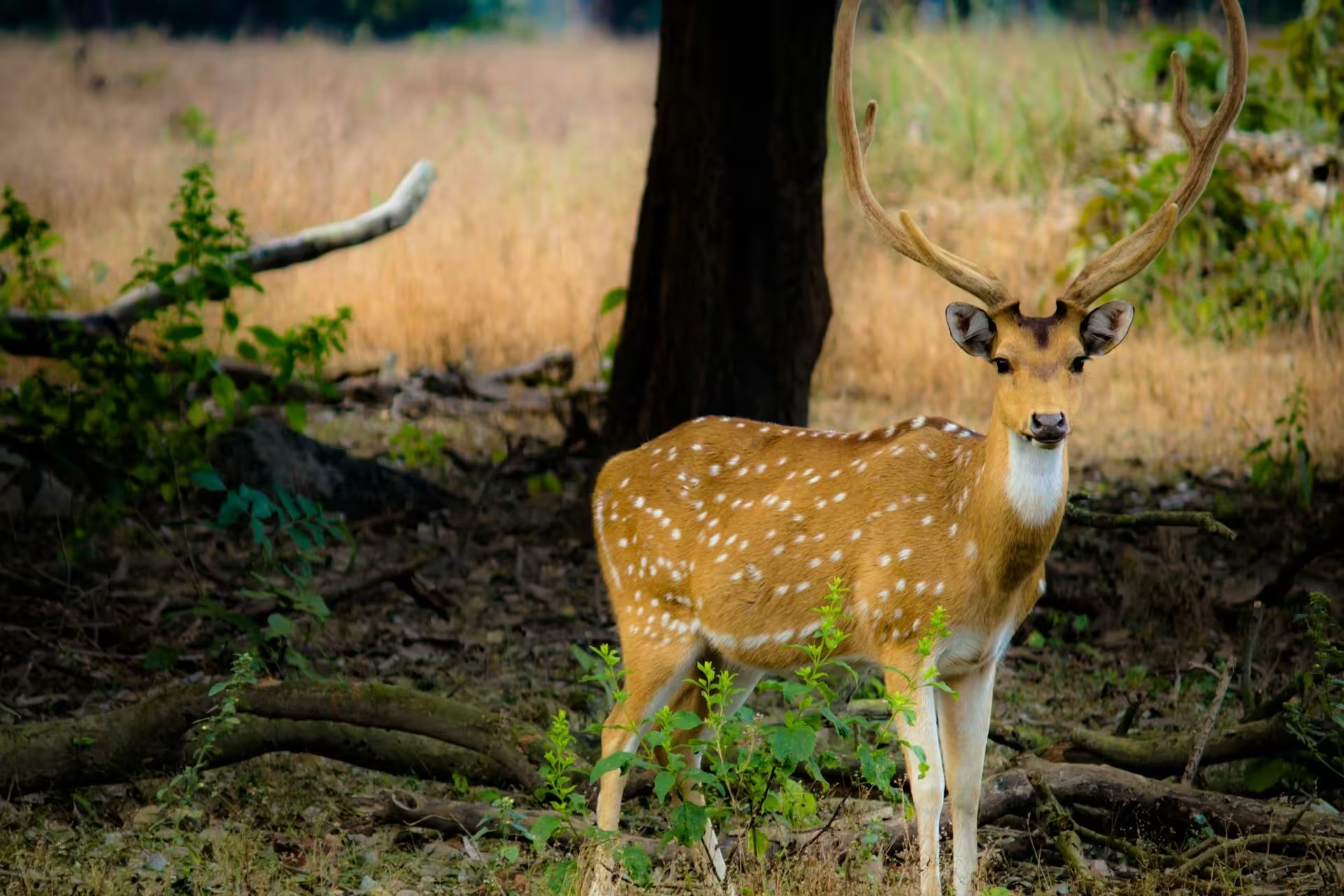
A Kanha safari is about more than finding a tiger. The reserve's changing mix of sal forest, meadow and water creates different viewing conditions across a drive. Herbivores are often an important part of the experience, while birds and smaller wildlife add detail to quieter stretches of the forest.
Tiger Tracking
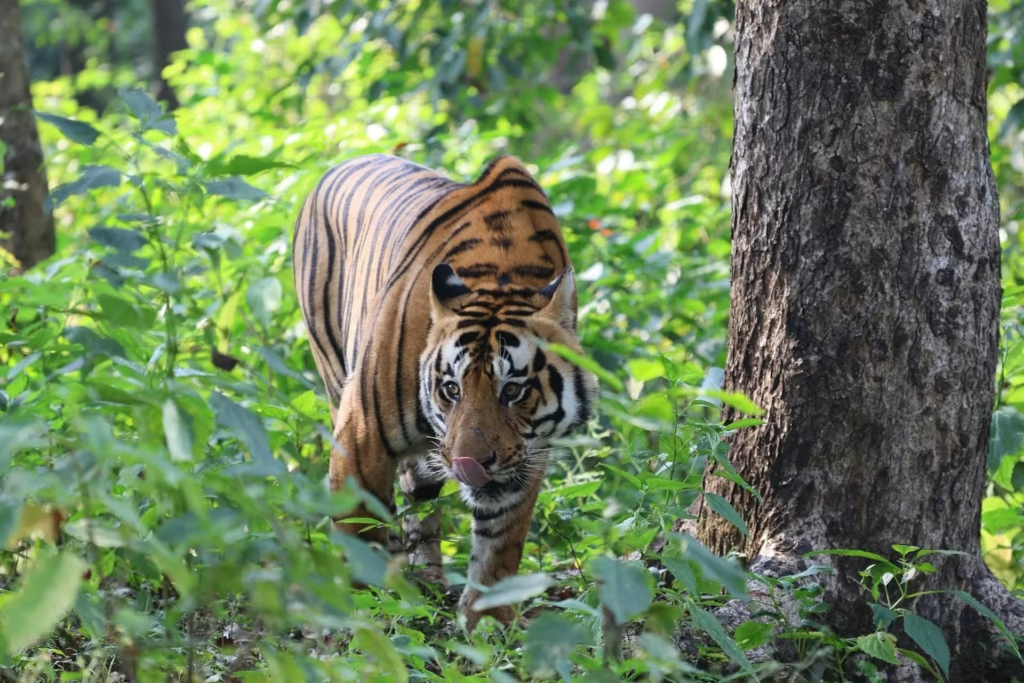
Kanha offers suitable habitat for tigers across its forest and meadow landscape. A sighting depends on animal movement, field signs, alarm calls and the patience of the safari team rather than a fixed route.
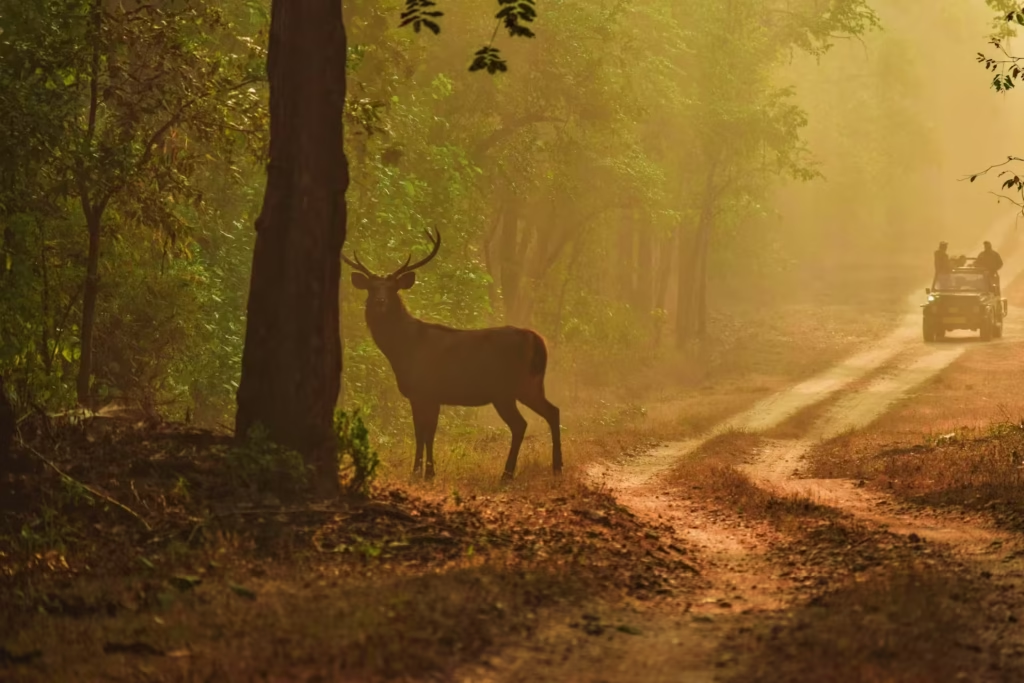
Barasingha in the Meadows
The hard-ground barasingha is one of Kanha's defining wildlife species. Open meadows provide important habitat for these deer, making them a particularly rewarding sight during a slow safari through suitable grassland.
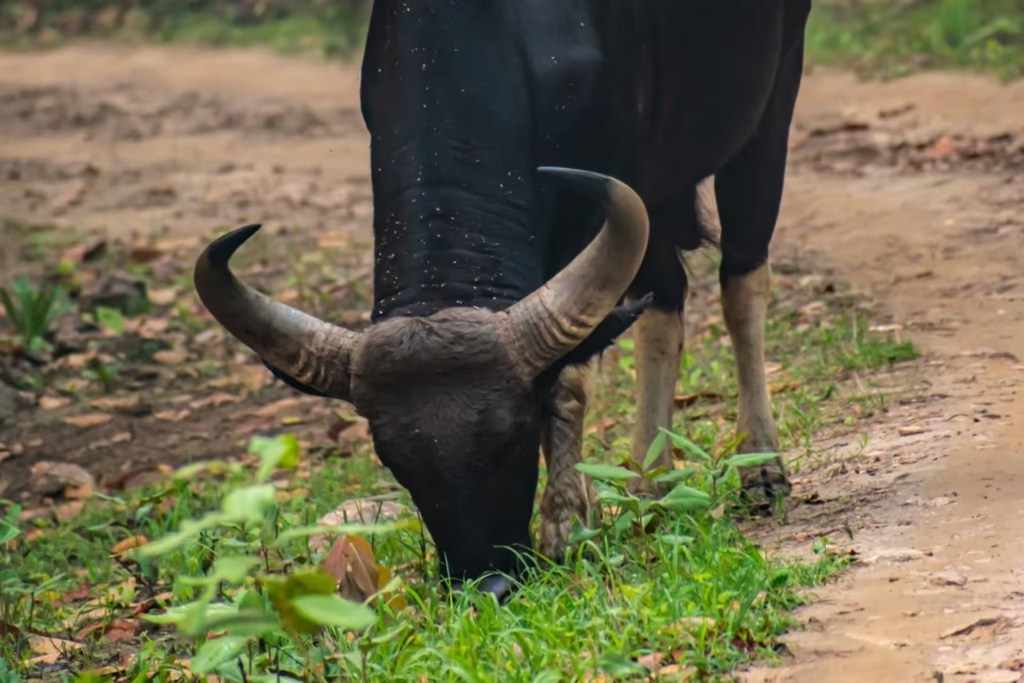
Gaur and Other Herbivores
Gaur, sambar and chital are among the larger herbivores found in Kanha. Watching their behaviour around meadows and forest edges gives a safari a fuller sense of the reserve's prey base.

Forest and Birdlife
Kanha supports a varied bird community alongside its mammals and reptiles. Slowing down between larger wildlife sightings can reveal raptors, woodland birds and smaller species that are easy to miss during a tiger-focused drive.
Tigers and Wildlife of Kanha
Kanha supports a broad range of mammals, birds and reptiles, with the hard-ground barasingha holding a particularly important place in the reserve's conservation history. The wildlife experience changes with habitat, season and time of day, so several safari drives can reveal very different parts of the reserve.
Tigers of Kanha
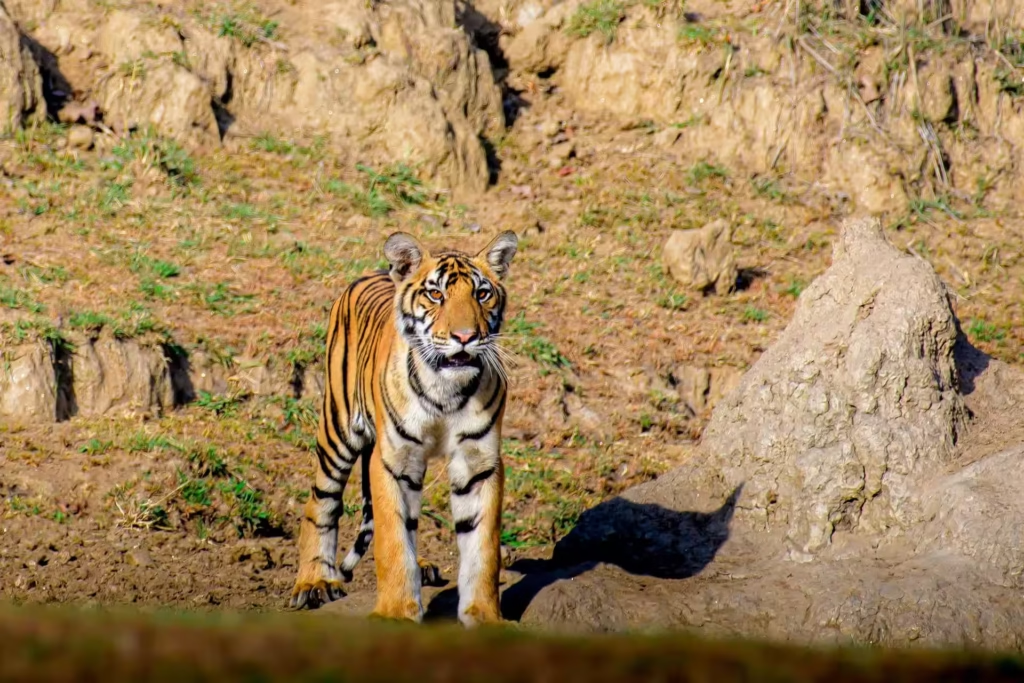
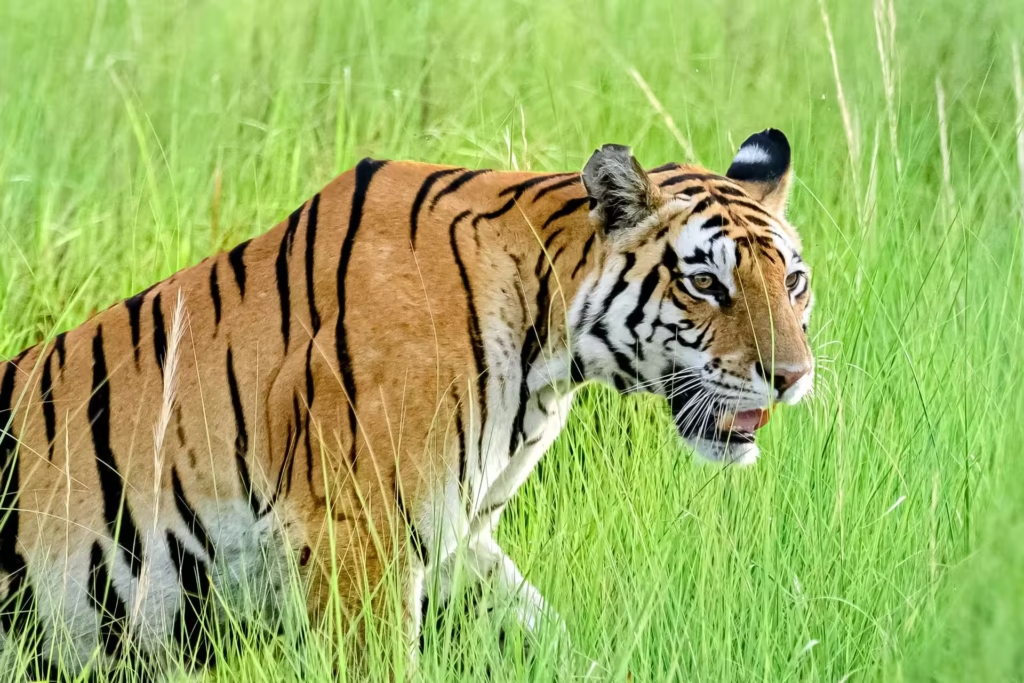
Tigers are one of Kanha's major attractions and occur across its core landscape. The combination of forest, meadows and prey-rich habitat creates suitable conditions for them, but sightings remain unpredictable.
Leopards and Wild Dogs
Leopards and dhole share the reserve with tigers and occupy different parts of the wider predator community. Both can be difficult to see, making an unexpected sighting especially rewarding.
Barasingha, Gaur and Deer
Kanha is particularly associated with hard-ground barasingha. Chital, sambar and gaur are also important herbivores, and open meadow areas can provide good opportunities to observe them.
Birds and Other Wildlife
The reserve supports a wide range of birds, reptiles and smaller wildlife alongside its larger mammals. Keeping binoculars ready can add another layer to a safari, especially during quieter forest stretches.
Best time to visit Kanha National Park
Kanha's official tourism information lists 15 October to 30 June as the best period to visit. The reserve has a tropical monsoonal climate, with colder winter conditions and much hotter weather in April and May.
Winter
Oct–Feb
Cooler mornings make winter comfortable for longer safari drives. January can be particularly cold, with the reserve's official information noting that temperatures may fall below freezing in some conditions.
Best for: comfortable safaris, photographers, first-time visitors
Spring
March
Temperatures begin rising and the forest gradually becomes drier. The transition from cooler weather to warmer days makes March a useful middle ground for travellers who want a balance between comfort and wildlife viewing.
Best for: wildlife viewing, pleasant safari conditions
Summer
Apr–Jun
Heat becomes more intense, especially in April and May, while the forest can appear more open. Water sources become increasingly important to wildlife as the dry season progresses.
Best for: experienced wildlife travellers, wildlife tracking
Monsoon
Jul–Sep
Kanha experiences the monsoon from around June, and the main tourism season does not cover this period. The forest becomes greener and wetter, while regular tourist safari access follows the reserve's seasonal rules.
Best for: forest scenery, off-season planning where permitted
How to Reach Kanha National Park
Kanha has three principal entry points for tourism: Khatia, Mukki and Sarhi. The most practical gateway depends on the safari gate and where you stay. Jabalpur, Nagpur and Raipur are listed among the nearest airports, while Jabalpur, Gondia, Raipur, Bilaspur and Balaghat are listed as railway options.
By Air
Jabalpur, Nagpur and Raipur are the main airport options listed by the reserve. The best choice depends on your wider itinerary and selected safari gate.
By Road
Kanha is reached by road from Jabalpur, Nagpur, Raipur, Balaghat and Mandla. Road distance varies by gate, so accommodation and safari access should be considered together.
By Rail
Jabalpur is one of the practical railway gateways, while Gondia, Raipur, Bilaspur and Balaghat are also listed by the reserve. The final road transfer depends on the selected entry point.
How Many Days Do You Need in Kanha?
The ideal stay depends on how many safari drives you want and whether Kanha is part of a wider Madhya Pradesh wildlife itinerary. A longer visit gives you more flexibility across different zones and more time to experience the forest beyond a single tiger sighting.
Ideal stay: 3 - 4 nights for most first-time visitors, allowing several safari drives without making the stay unnecessarily long.
2 Nights in Kanha National Park
Two nights can work for travellers with limited time, especially when Kanha is one stop in a wider wildlife itinerary. You can fit in a few safari drives, but there is less flexibility if a drive produces fewer sightings.
3 Nights in Kanha National Park
Three nights give you a better balance between safari time and travel. Several morning and afternoon drives provide opportunities to experience different habitats and increase your chances of seeing a wider range of wildlife.
4+ Nights in Kanha National Park
Four or more nights suit photographers, birdwatchers and travellers who want a slower wildlife experience. The extra time allows more safari flexibility and reduces the pressure to make every drive count.
For most visitors, 3 - 4 nights offers enough time to explore Kanha without rushing between safaris and transfers.
Kanha Safari Experiences
A Kanha safari offers more than a search for tigers. Each drive brings different wildlife, bird activity, light and forest conditions. Morning and afternoon safaris have their own character, so several drives give you a fuller experience.
Morning Safari
The early hours bring cooler conditions and softer light across the forest. Wildlife can be active before the day becomes hot, while the changing light over meadows and sal woodland gives photographers different conditions to work with.
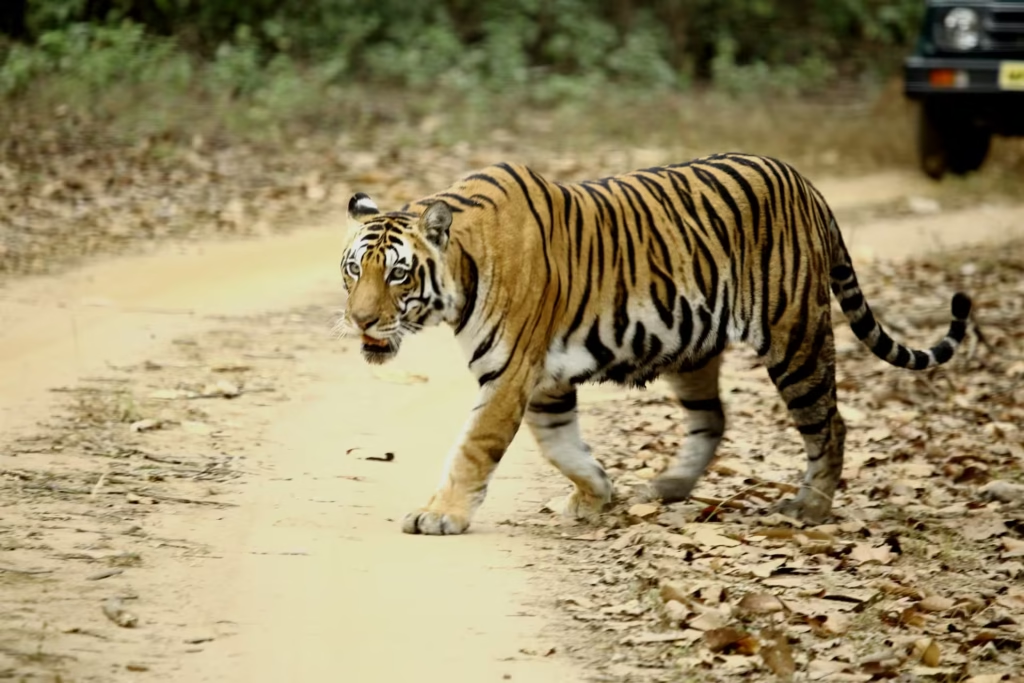
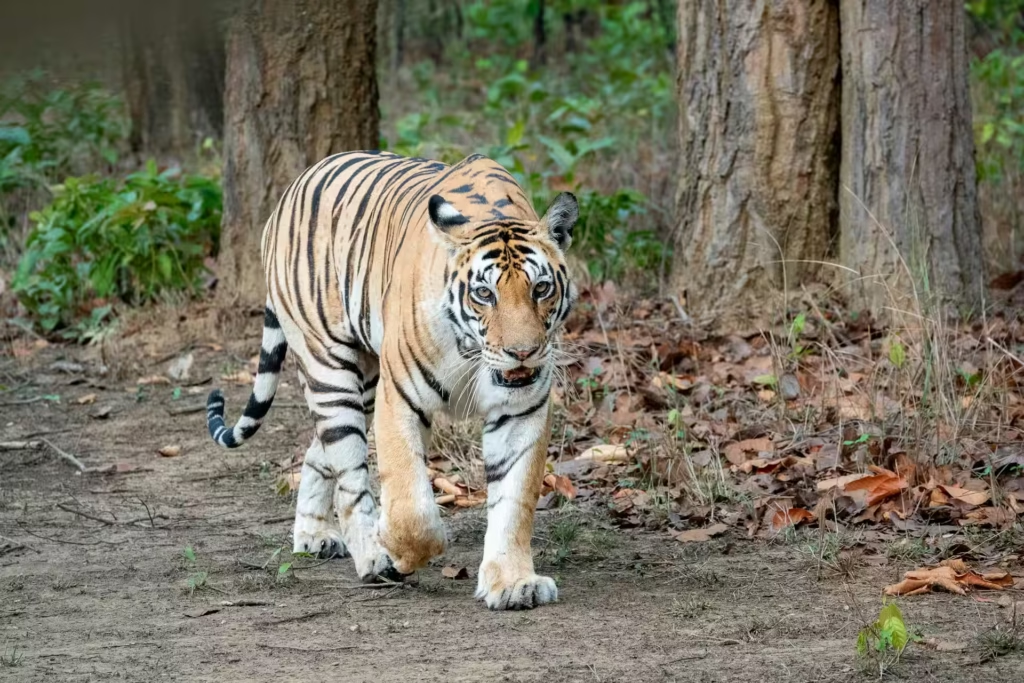
Tiger Tracking
Tiger tracking involves reading the forest rather than following a guaranteed route. Alarm calls, tracks, movement and the behaviour of prey species can all help guides judge where an animal may have passed.
Barasingha and Meadow Wildlife
Kanha's open meadows are closely linked with its hard-ground barasingha conservation story. Chital, sambar and gaur also use these open areas, creating opportunities to observe several herbivore species in the same landscape.
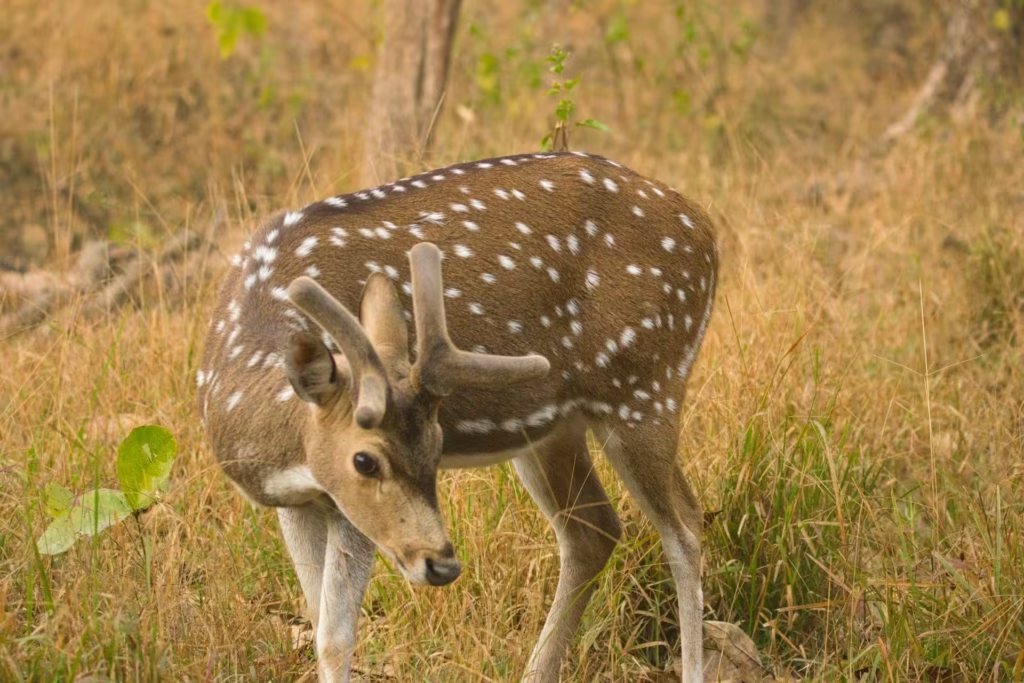
Forest Birdwatching
Kanha's birdlife becomes easier to appreciate when the safari slows down. Woodland edges, meadow areas and water sources can bring different bird activity, so binoculars are useful even when the focus of the drive is larger wildlife.
Waterhole Wildlife
Water sources can become important during the hotter months. Quiet observation around suitable water areas may reveal deer, gaur and other wildlife coming to drink, while predators may use the same landscape at different times.
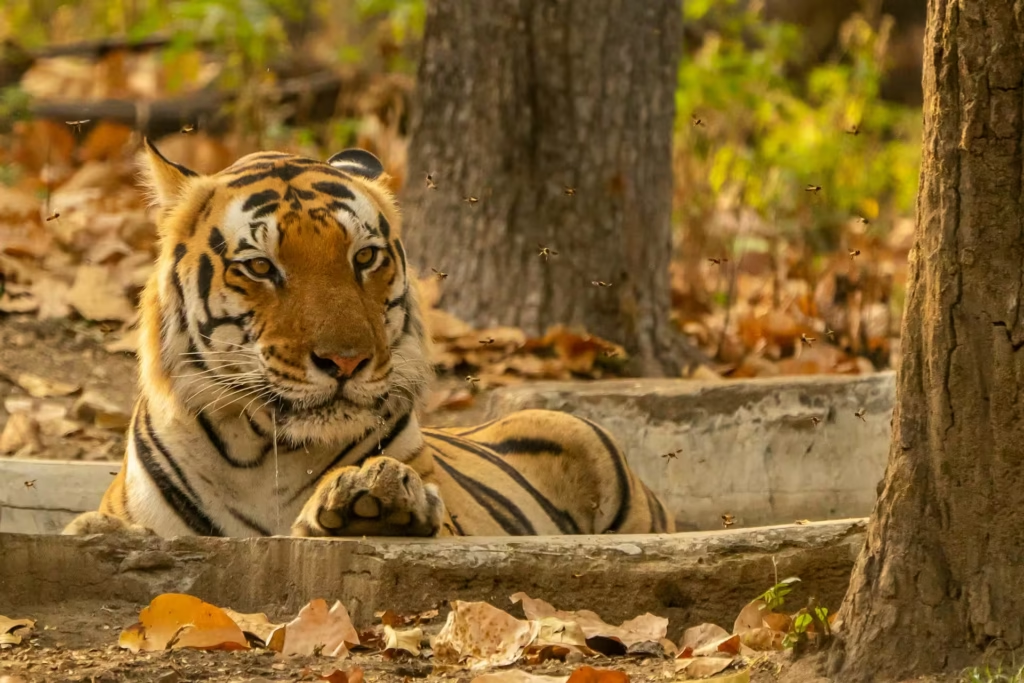
Kanha Safari Tips for First-Time Visitors
- Book Early: Safari permits can fill up, particularly during the main tourism season. Check the official MP Forest booking system for current availability and permit rules.
- Choose Multiple Safari Drives: Several drives give you more opportunities to experience different habitats, weather and wildlife activity.
- Carry Binoculars: Kanha's birdlife and smaller animals are easy to overlook when the focus stays on tigers and large mammals.
- Dress for the Season: Winter mornings can be very cold, while April and May can be extremely hot. Dress in layers during colder months and carry sun protection in summer.
- Follow Your Guide's Instructions: Safari movement and visitor rules are controlled by the reserve. Follow the guide and current park regulations throughout the drive.
- Manage Tiger Expectations: Kanha has strong tiger habitat, but no safari can guarantee a sighting. The forest, herbivores, birds and changing landscape are all part of the experience.
Combine Kanha With Other Indian Wildlife Destinations
Kanha works particularly well in a wider Central Indian wildlife itinerary. Pairing it with another reserve can introduce a different landscape, safari style or wildlife experience while making better use of a longer trip. The best combination depends on road transfers, available nights and the sequence of your journey.
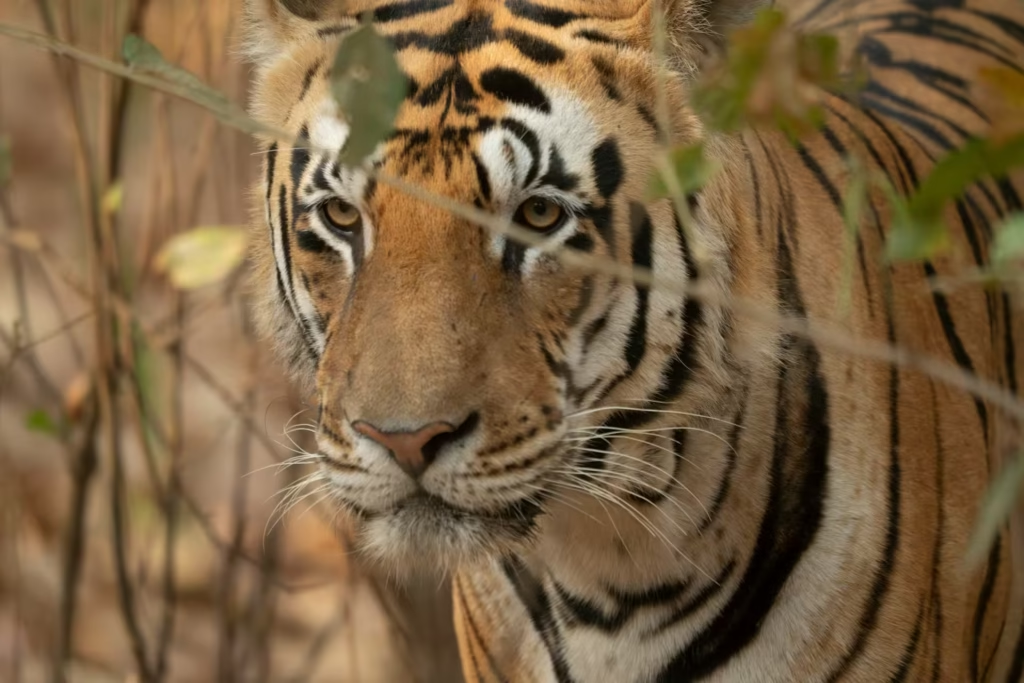
Kanha + Bandhavgarh
Combining Kanha with Bandhavgarh creates a strong Madhya Pradesh tiger-safari itinerary. The two reserves offer different landscapes and safari experiences, while the combination allows more time for wildlife observation rather than relying on one park alone.
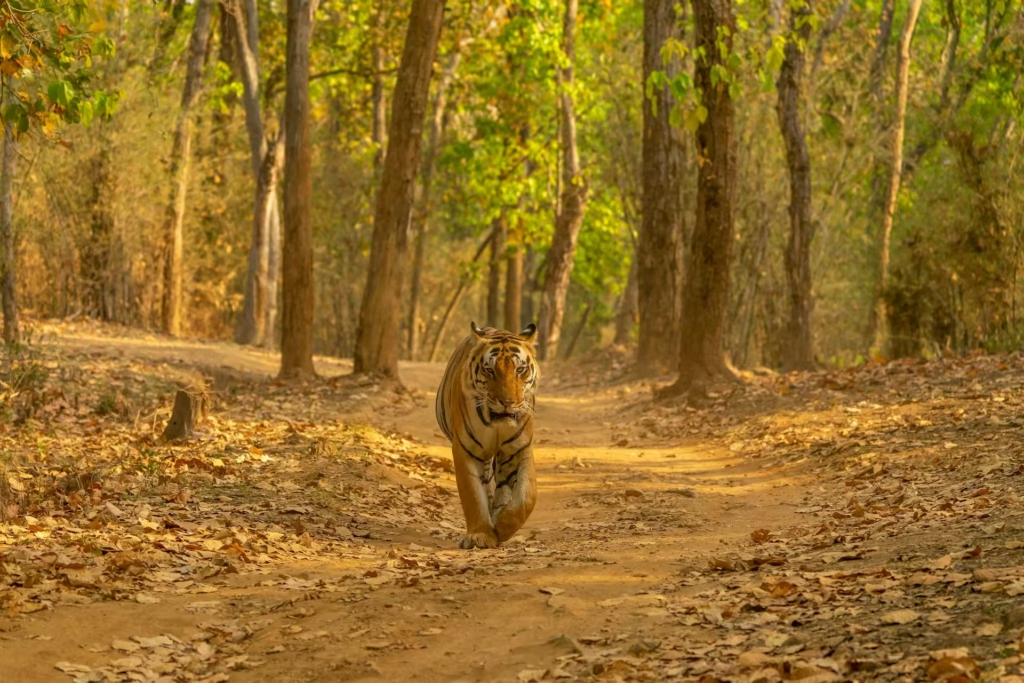
Kanha + Pench
Kanha and Pench make a practical Central India wildlife combination for travellers wanting to experience two distinct forest landscapes. The itinerary works particularly well when several safari drives are a priority.
Kanha + Tadoba
Adding Tadoba can extend a Central Indian wildlife journey into Maharashtra. The combination works best with enough time for road transfers and several safari drives at both destinations.
Kanha + Other Central India Destinations
Kanha sits in Madhya Pradesh's Central Indian wildlife belt and can be combined with other reserves depending on the route. Bandhavgarh, Pench and Tadoba are among the more useful options for travellers planning a longer tiger-focused itinerary. The final combination should be based on transfer time, safari availability and the number of nights you want to spend in each reserve.
How to Plan Your Kanha Safari
Start by choosing your travel dates and then select the safari gate and accommodation area together. Kanha's tourism network includes core zones at Kanha, Kisli, Mukki and Sarhi, along with buffer tourism zones including Khatia, Khapa, Phen and Sijhora. Entry arrangements vary by zone and gate, so accommodation should be practical for the safaris you plan to take.
Safari permits should be checked through the official Madhya Pradesh Forest Department booking system, where current availability and booking rules are published. The reserve's official information also confirms that the best visiting period runs from 15 October to 30 June.
Build some flexibility into the itinerary rather than planning every day around one expected sighting. If travelling by air, Jabalpur, Nagpur and Raipur are listed as the main airport options, while Jabalpur and other regional stations provide rail access. The final road journey depends on your selected gate.
Plan Your Bespoke Kanha National Park Safari
Frequently Asked Questions About Kanha National Park
What is Kanha National Park famous for?
Kanha is particularly known for its tiger habitat, sal forests, open meadows and hard-ground barasingha.
Is Kanha National Park good for tiger sightings?
Kanha is an established tiger reserve with suitable tiger habitat, but sightings are never guaranteed on a safari.
What is the best time to visit Kanha National Park?
The reserve officially lists 15 October to 30 June as the best visiting period.
Which safari zone or gate is best in Kanha?
Kanha, Kisli, Mukki and Sarhi are the four core tourism zones. The best gate depends on your permit, accommodation and planned safari route.
How much does a Kanha safari cost?
Safari costs depend on the current permit category, vehicle arrangement, guide charges and applicable reserve tariff. Check the current official booking system before travelling.
How do I book a Kanha safari?
Safari permits are handled through the Madhya Pradesh Forest Department's official booking system. Current booking windows and availability should be checked before making travel arrangements.
How many days are enough for Kanha National Park?
Three to four nights work well for most first-time visitors, especially if you want several safari drives.
How far is Kanha National Park from the nearest major gateway?
The distance varies by entry gate. For example, the official reserve information lists Jabalpur at about 160 km from Khatia and about 200 km from Mukki.
What animals can you see in Kanha National Park?
Wildlife includes tiger, leopard, dhole, gaur, sambar, chital and hard-ground barasingha, along with many bird and reptile species.
Is Kanha National Park worth visiting?
Yes, particularly if you want a wildlife experience that combines tiger habitat with sal forest, open meadows and the distinctive hard-ground barasingha landscape.