
Kaziranga National Park
The wetlands and grasslands where one-horned rhinos roam
Kaziranga at a Glance
Kaziranga is especially known for its one-horned rhinoceros, but its wildlife experience extends well beyond rhinos. Tall elephant grass, open wetlands, woodland and riverine habitats support a wide variety of mammals and birds. The park is also part of a larger floodplain ecosystem influenced by the Brahmaputra and its seasonal changes.
Discover Kaziranga National Park
Kaziranga's character comes from the meeting of tall elephant grass, open wetlands, tropical forest and riverine landscapes. The park lies within the floodplain of the Brahmaputra, so water and seasonal flooding are important parts of its ecology. Open grasslands create broad views across the landscape, while wooded areas and wetlands provide different habitats for rhinos, elephants, deer, birds and predators. This combination makes Kaziranga feel distinctly different from the dry forests of Central India's tiger reserves.
Tall Grasslands and Open Country
Tall elephant grass is one of the most recognisable features of Kaziranga. These open areas provide important habitat for rhinoceros, swamp deer and other herbivores. During safari, the height and density of the grass can change visibility considerably, making open clearings and shorter grass areas particularly interesting.
Wetlands and Seasonal Water
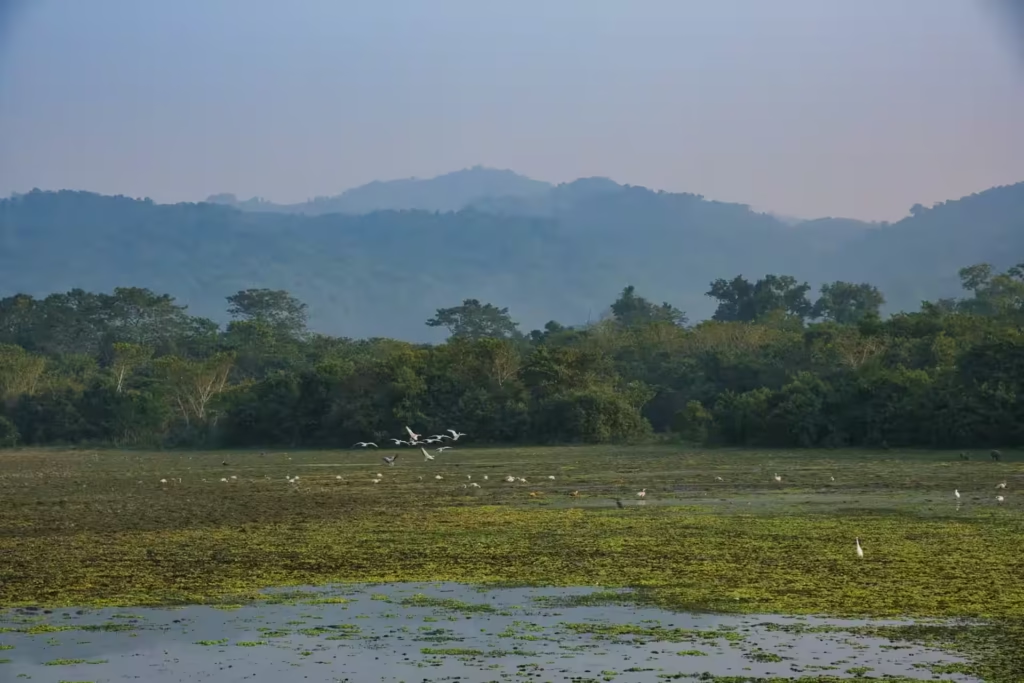
Kaziranga contains numerous wetlands, pools and waterlogged areas. These habitats attract waterbirds and provide important resources for herbivores and other wildlife. Water levels and vegetation change with the seasons, continually reshaping parts of the park.
Forest and Riverine Habitat
Alongside grassland and wetlands, Kaziranga contains tropical and subtropical forest patches. Riverine vegetation occurs around watercourses, creating additional habitat for wildlife and birds.
The Brahmaputra Floodplain
The Brahmaputra is central to Kaziranga's landscape. Seasonal flooding influences vegetation, water bodies and wildlife movement across the floodplain. This natural cycle is one of the reasons the park has such a varied habitat.
Why Go on Safari in Kaziranga?
A Kaziranga safari offers much more than a search for rhinos. The open grasslands make large mammals visible across wide stretches of the landscape, while wetlands and forests bring different wildlife and bird activity. The possibility of seeing rhino, elephant, wild buffalo and deer in the same broad landscape gives Kaziranga a safari character unlike India's forest-dominated tiger reserves.
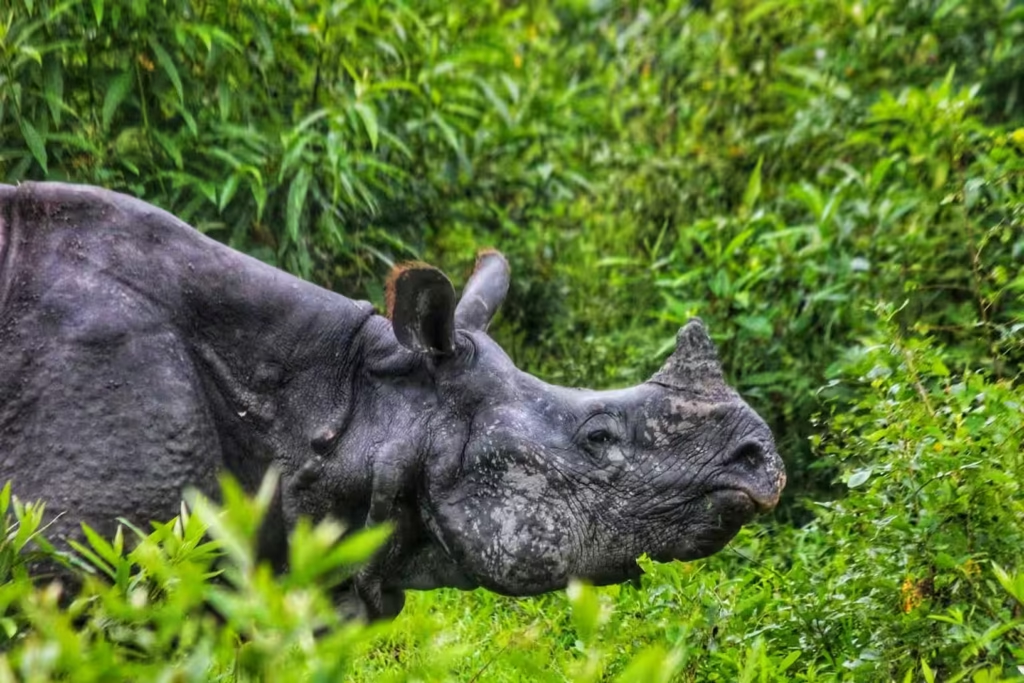
One-Horned Rhino Viewing
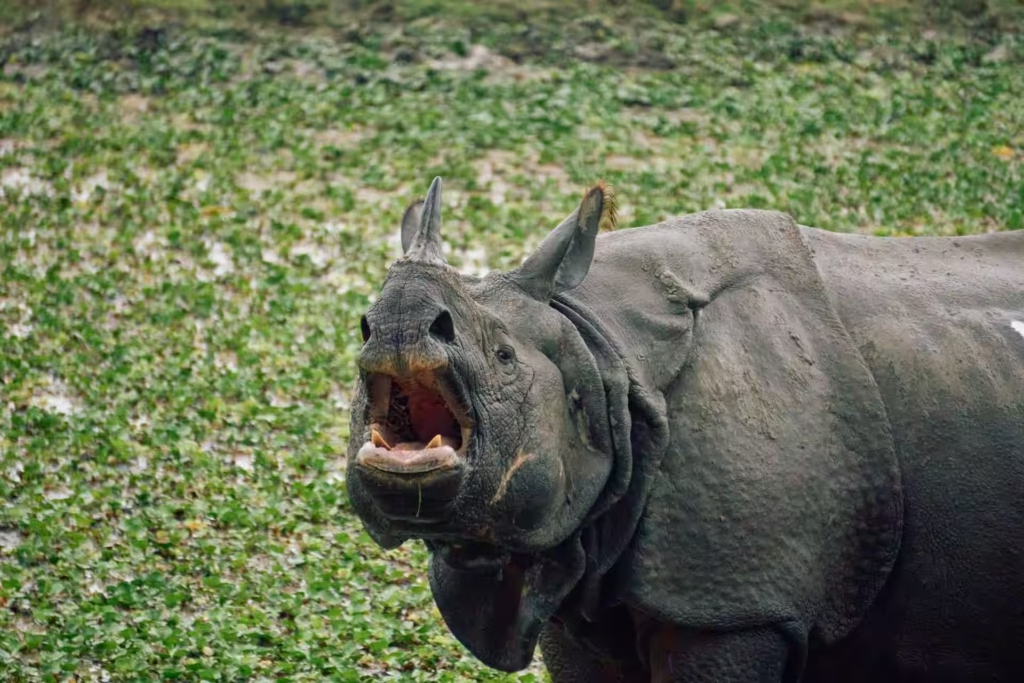
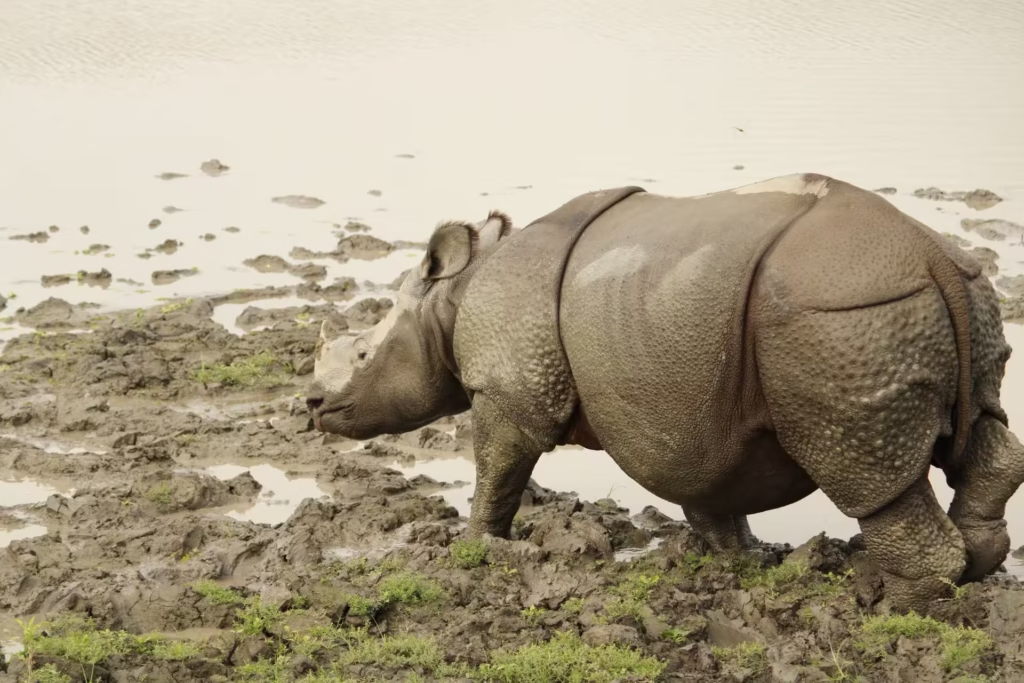
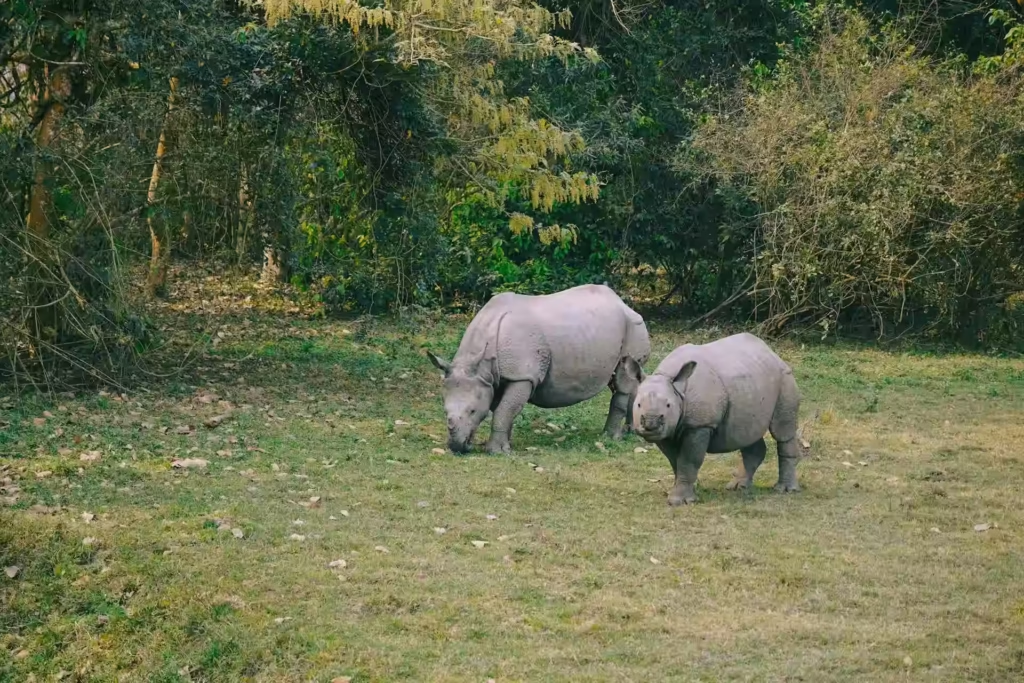
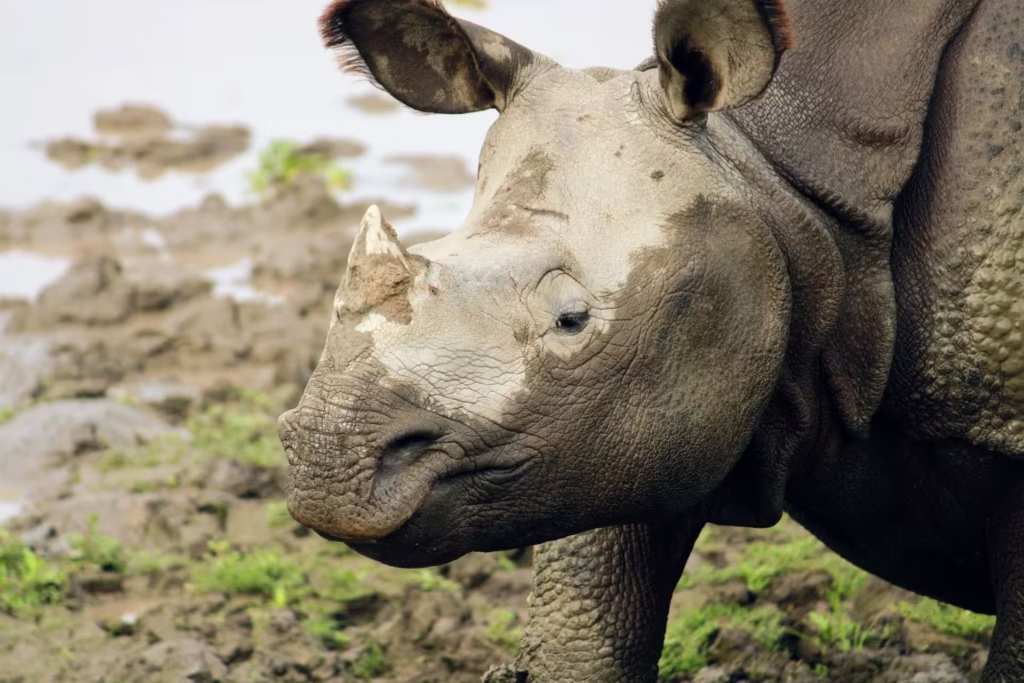
The greater one-horned rhinoceros is Kaziranga's signature animal. The open grasslands and wetlands provide important habitat for the species and can offer excellent opportunities to observe rhinos in their natural surroundings.
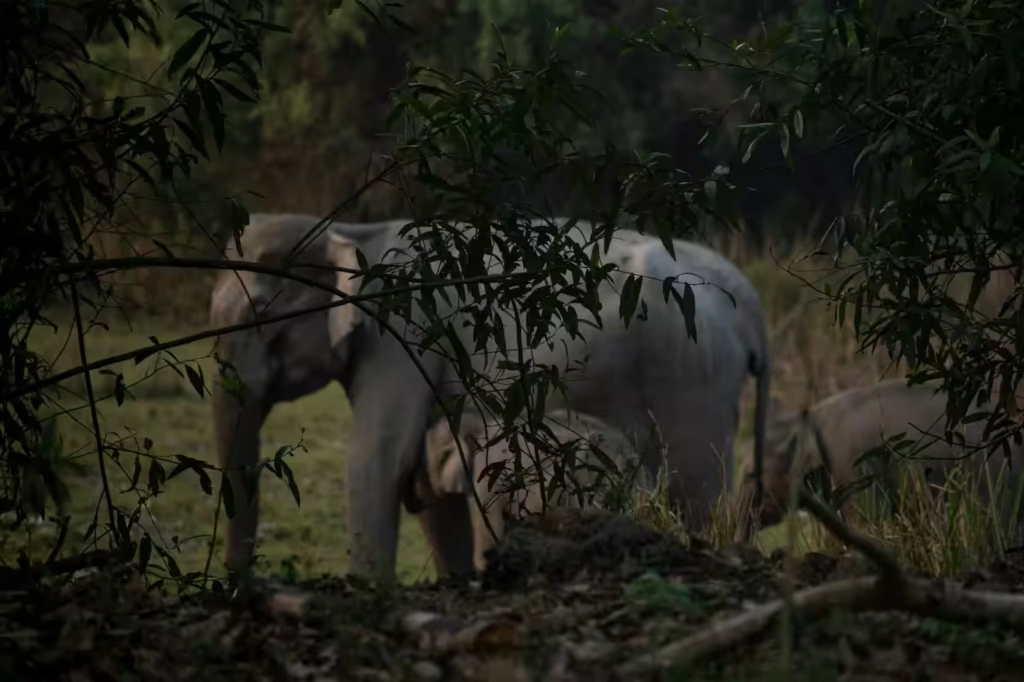
Elephant Herds
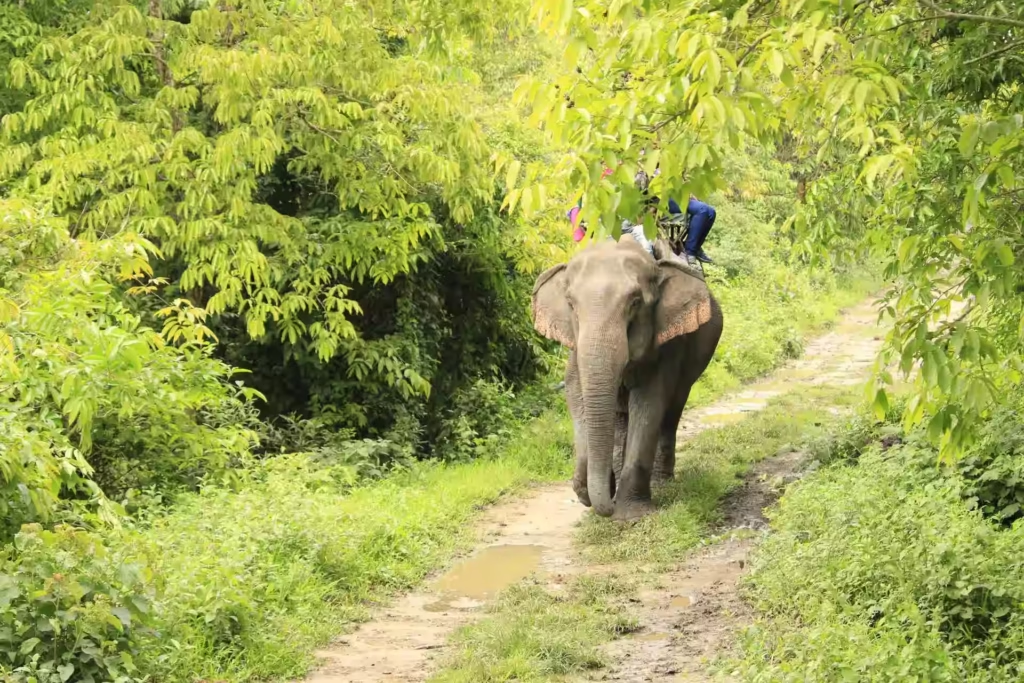
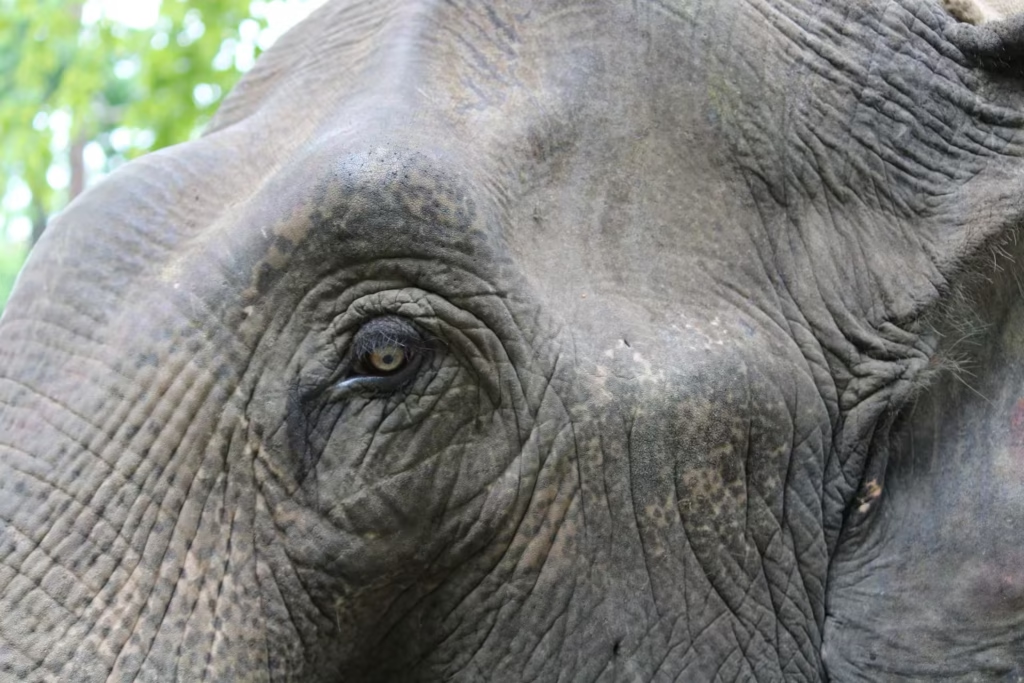
Asian elephants move through grasslands, forest and wetland habitats across the park. Seeing elephants in the open floodplain can be one of the most memorable parts of a Kaziranga safari.

Wild Water Buffalo
Kaziranga is an important habitat for wild water buffalo. They are often associated with open grasslands and wet areas, adding another large herbivore to the safari experience.
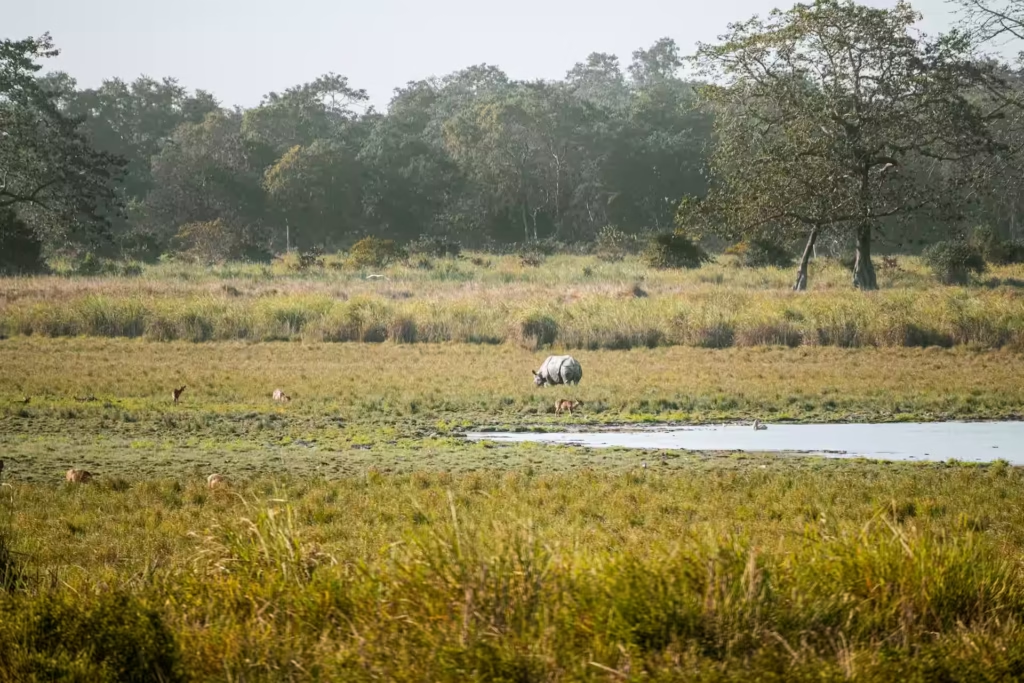
Wetland and Birdlife
The park's wetlands attract a wide variety of resident and migratory birds. Water bodies, grasslands and woodland each support different species, making Kaziranga especially rewarding for birdwatchers.
Tigers and Wildlife of Kaziranga
Kaziranga supports an unusually diverse collection of large mammals. Alongside the famous one-horned rhinoceros, the park is home to tigers, elephants, wild water buffalo, swamp deer, sambar, hog deer and other species. Its varied habitats also support numerous birds, reptiles and smaller wildlife.
Tigers of Kaziranga
Kaziranga supports a significant tiger population and is recognised as a tiger reserve. However, its tall grass, wetlands and dense vegetation can make tigers much harder to spot than large herbivores. A tiger sighting should therefore be treated as a bonus rather than the only goal of a safari.
One-Horned Rhinoceros
Rhinos are the defining species of Kaziranga. They use grasslands, wetlands and woodland edges, and their large size makes them one of the most rewarding animals to observe here.
Elephants and Wild Water Buffalo
Elephants and wild water buffalo are among the park's other major herbivores. Watching these animals move through open grassland provides a strong sense of the scale of Kaziranga's floodplain ecosystem.
Swamp Deer, Sambar and Hog Deer
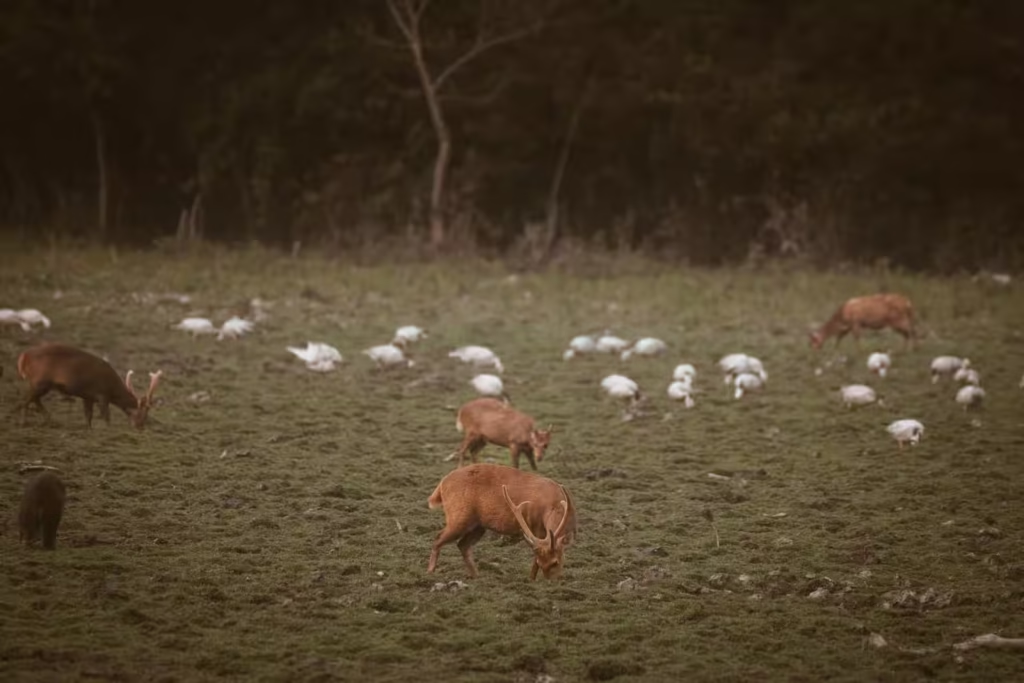
Kaziranga supports several deer species, including swamp deer, sambar and hog deer. Their presence adds variety to safari drives and forms part of the prey base supporting the park's predators.
Birds and Wetland Wildlife
Kaziranga's wetlands and riverine habitats attract numerous waterbirds and migratory species. Raptors, grassland birds and woodland species can also be encountered during slower sections of a safari.
Best time to visit Kaziranga National Park
Kaziranga's main tourism season generally runs from November to April, after the monsoon period. Winter brings comfortable temperatures and good conditions for wildlife viewing, while the later dry months can provide more open views across grasslands and around water bodies. Always check the current park opening dates and tourism rules before travelling.
Winter
Nov–Feb
Cooler weather makes morning and afternoon safaris comfortable. Grasslands remain an important part of the landscape, while wetlands can attract a variety of waterbirds.
Best for: comfortable safaris, rhino and birdwatching
Spring
March
Temperatures gradually rise and the landscape begins moving towards drier conditions. Wildlife remains active, while changing grass and water conditions can affect where animals are encountered.
Best for: wildlife viewing and birdwatching
Summer
April
The weather becomes warmer and drier towards the end of the main season. Open areas and dependable water sources can become increasingly important to wildlife.
Best for: experienced wildlife travellers
Monsoon
May–Oct
Kaziranga experiences significant monsoon rainfall, and seasonal flooding is a natural part of the ecosystem. Regular tourist operations are affected during the closed period, so travel should be planned around the current official tourism calendar.
Best for: not generally recommended for regular safari travel
How to Reach Kaziranga National Park
Kaziranga is accessible by air, rail and road. The main tourism areas are spread across different ranges, so the most convenient gateway can depend on your accommodation and planned safari zone.
By Air
Jorhat Airport is a convenient airport for many Kaziranga itineraries, while Guwahati Airport provides more flight connections and works well for travellers combining Kaziranga with other Assam destinations.
By Road
Kaziranga is located along National Highway 37 and can be reached by road from Guwahati, Jorhat and other Assam destinations. Road travel is convenient when combining the park with places such as Shillong, Majuli or other parts of Assam.
By Rail
Furkating is one of the main railway gateways for Kaziranga. From there, visitors continue by road to their chosen accommodation and safari range.
How Many Days Do You Need in Kaziranga?
The ideal stay depends on how many safari drives you want and whether you want to explore more than one range. A longer stay gives you opportunities to experience different landscapes and increases your chances of seeing a wider range of wildlife rather than relying on a single safari.
Ideal stay: 3 - 4 nights for most visitors, allowing several safari drives and enough time to experience Kaziranga at a relaxed pace.
2 Nights in Kaziranga
Two nights can work for travellers with limited time. You can fit in a few safari drives, but there is less flexibility if weather, safari availability or travel delays affect your schedule.
3 Nights in Kaziranga
Three nights provide a comfortable balance. Several drives allow you to explore different habitats and increase your opportunities for rhino, elephant, deer and bird sightings.
4+ Nights in Kaziranga
Four or more nights suit dedicated wildlife travellers and photographers. Extra time makes it easier to include multiple safari ranges and spend more time observing the park beyond its most famous species.
For most visitors, 3 - 4 nights is a practical stay.
Kaziranga Safari Experiences
A Kaziranga safari offers more than a search for rhinos. Each drive brings different wildlife, bird activity, light and grassland conditions. Morning and afternoon safaris have their own character, while the combination of open grasslands, wetlands, forests and riverine habitat creates a varied setting throughout the park.
Jeep Safari
Jeep safaris provide access to designated tourism ranges and allow visitors to explore grasslands, wetlands and forest areas. The open terrain can create wide views, while taller vegetation can make wildlife tracking more challenging.
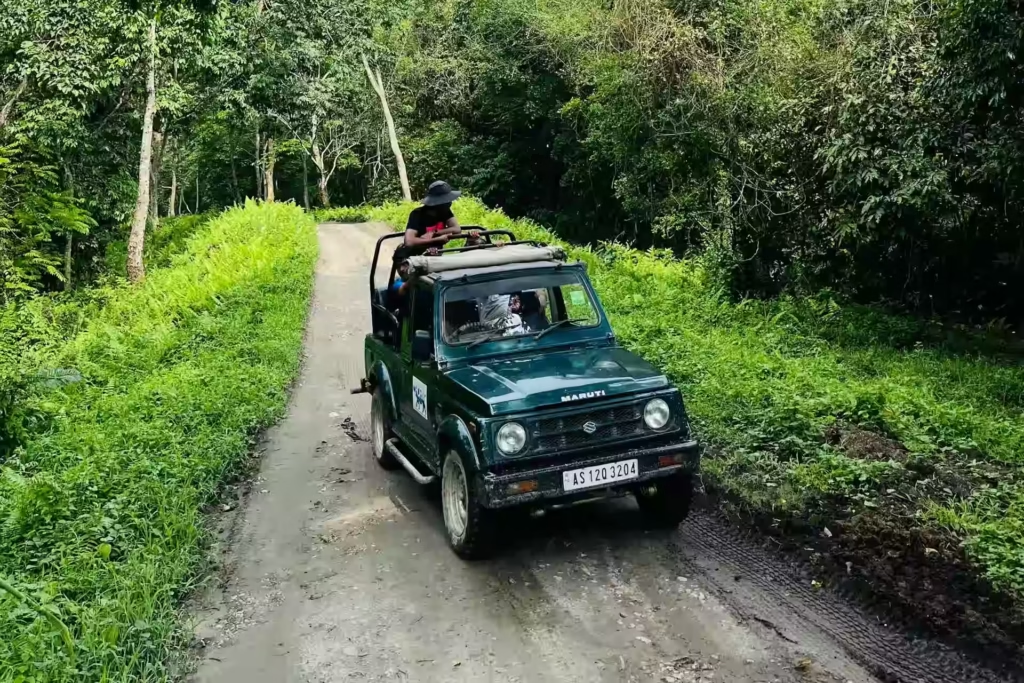
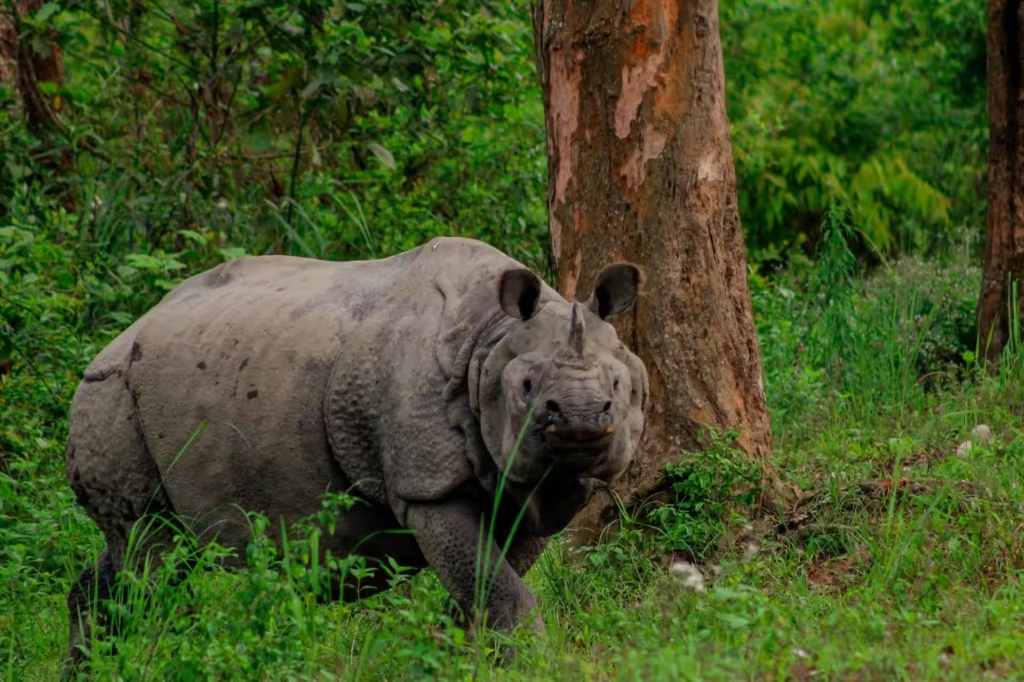
Rhino Watching
Rhino watching is one of the defining experiences of Kaziranga. The animals can often be observed feeding or moving through grassland and wetland habitats, offering opportunities to watch their natural behaviour at close but regulated distances.
Elephant Viewing
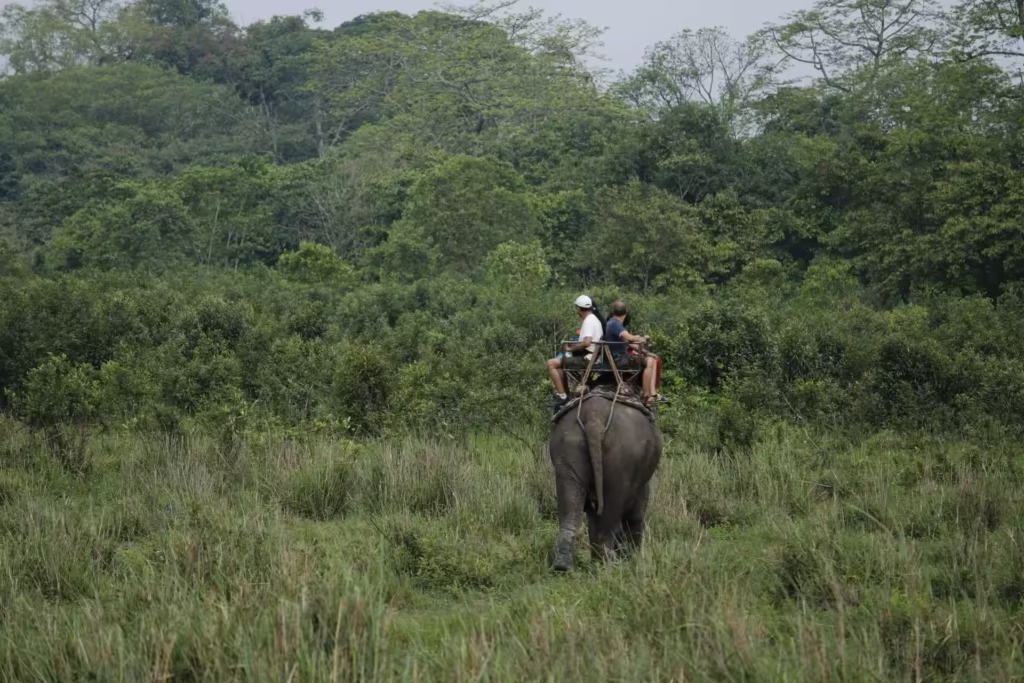
Elephants may be encountered moving through grasslands, forest and wetland areas. Watching a herd navigate the open floodplain gives visitors a strong sense of the scale of the landscape.
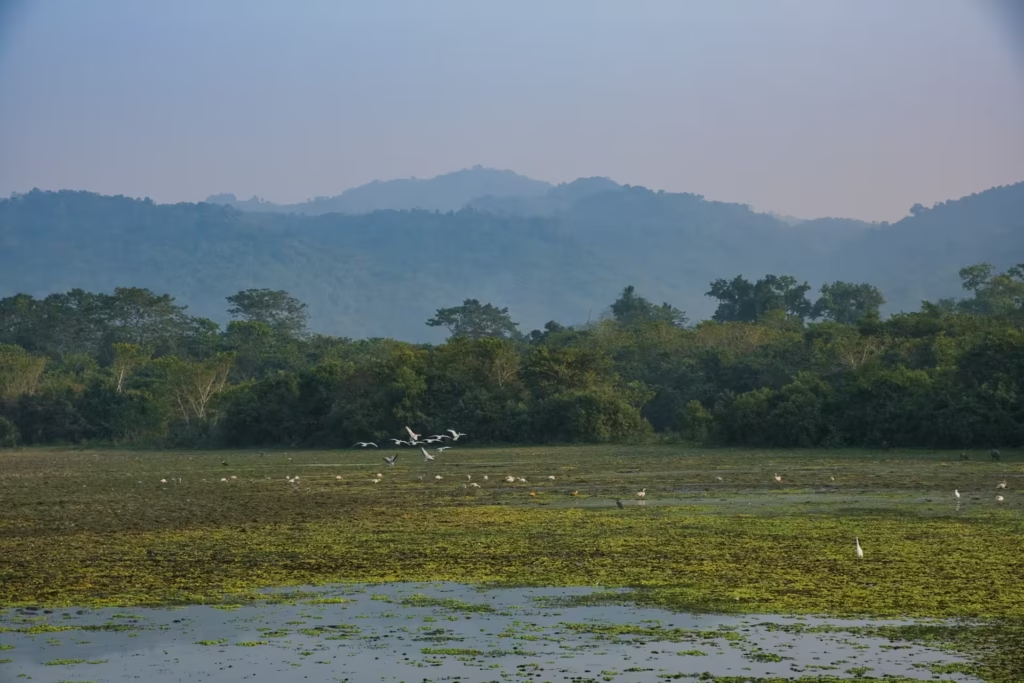
Wetland Safari and Birdwatching
Wetlands provide excellent opportunities to observe waterbirds, raptors and other species. Birdwatching can be particularly rewarding when the vehicle moves slowly around water bodies and open marshy areas.
Tiger and Predator Tracking
Although Kaziranga is famous for rhinos, tigers and other predators are also part of the ecosystem. Tracking them can be more difficult because tall grass and dense vegetation provide natural cover.
Kaziranga Safari Tips for First-Time Visitors
- Book Early: Book your safari permits early, especially for travel between October and June, when popular dates fill quickly.
- Choose Multiple Safari Drives: Plan at least three safari drives to explore different forest areas and increase your wildlife viewing opportunities.
- Carry Binoculars: Bring 8x or 10x binoculars for spotting birds, distant animals and wildlife hidden among the trees.
- Dress for the Season: Wear comfortable, neutral-coloured layers, with warm clothing in winter and sun protection during the hotter months.
- Follow Your Guide's Instructions: Stay inside the vehicle, keep quiet and follow your guide's instructions throughout the safari.
- Never Expect a Guaranteed Tiger Sighting: Tiger sightings are never guaranteed, so enjoy the full forest experience and watch for other wildlife too.
Combine Kaziranga With Other Indian Wildlife Destinations
Kaziranga works particularly well as part of a wider Assam and Northeast India itinerary. It can be combined with Manas National Park for another major wildlife experience, while Guwahati, Shillong and Majuli can add cultural and scenic experiences.
Kaziranga + Manas
Combining Kaziranga with Manas creates a strong Northeast India wildlife itinerary. Both reserves support important wildlife but offer different landscapes and safari experiences.
Kaziranga + Shillong
Adding Shillong allows you to combine Kaziranga's floodplain wildlife with the hills and landscapes of Meghalaya. It works well for travellers who want both safari and mountain scenery.
Kaziranga + Majuli
Majuli adds a cultural and river-island experience to a Kaziranga trip. The combination works particularly well for travellers interested in experiencing different sides of Assam.
Kaziranga + Other Central India Destinations
Kaziranga can be combined with Manas for a wildlife-focused Northeast itinerary, while Shillong, Majuli and Guwahati add cultural, river and hill experiences. The best combination depends on your available time, road-transfer requirements and the number of safari nights you want.
How to Plan Your Kaziranga Safari
Start by choosing your travel dates and deciding how many safari drives you want. Kaziranga has multiple tourism ranges, and each area can offer a different combination of grassland, wetland and forest habitat. Range selection should therefore consider your accommodation, travel route and the wildlife habitats you want to experience rather than assuming one range is universally best.
Safari permits, vehicle arrangements and current tourism rules should be checked through the official reserve or Assam Forest Department system. Safari operations, range availability and seasonal opening dates can change, so check the latest official information before booking.
Build some flexibility into the itinerary. If you want to explore more than one range, allow enough time between safari drives and accommodation transfers. Staying close to your preferred range can also make early morning departures easier and give you more time inside the park.
Frequently Asked Questions About Kaziranga National Park
What is Kaziranga National Park famous for?
Kaziranga is best known for its greater one-horned rhinoceros, but it also supports tigers, elephants, wild water buffalo, swamp deer and a rich bird community.
Is Kaziranga National Park good for tiger sightings?
Kaziranga supports tigers, but its tall grass, wetlands and dense vegetation can make them difficult to spot. Rhino and other large herbivores are generally more prominent safari sightings.
What is the best time to visit Kaziranga National Park?
The main tourism season is generally from November to April. Winter offers comfortable conditions, while the later dry season can provide good visibility across open areas.
Which safari range is best in Kaziranga?
There is no single range that is permanently best. The right choice depends on current availability, accommodation, travel route and the habitats you want to explore.
How much does a Kaziranga safari cost?
The current cost depends on the safari type, vehicle, guide, range and applicable government or reserve charges. Check the latest official booking information before planning your budget.
How do I book a Kaziranga safari?
Safari permits and current availability should be checked through the official Kaziranga/Assam Forest Department tourism system. Booking arrangements can change by season.
How many days are enough for Kaziranga National Park?
Three to four nights work well for most visitors who want several safari drives and enough time to explore more than one part of the park.
What animals can you see in Kaziranga National Park?
You can encounter greater one-horned rhinoceros, tiger, elephant, wild water buffalo, swamp deer, sambar, hog deer and many bird species.
Can Kaziranga National Park be combined with Manas?
Yes. Kaziranga and Manas make a strong wildlife combination for travellers interested in exploring more than one major reserve in Assam.
Is Kaziranga National Park worth visiting?
Yes, especially if you want to experience one-horned rhinos in a distinctive floodplain landscape with grasslands, wetlands, elephants, wild buffalo, birds and the possibility of tiger sightings.