
Ranthambore National Park
The wild landscape of tigers, ruins and ancient fortresses
Ranthambore at a Glance
Ranthambore is known for its dry forest, open meadows, rocky terrain and water bodies, with tigers forming the main draw for many visitors. The reserve also supports leopards, sloth bears, hyenas, jackals, chital, sambar and nilgai. Its combination of wildlife habitat and historic remains gives safaris a character that is different from many forest reserves in Central India.
Discover Ranthambore National Park
Ranthambore's character comes from the meeting of dry forest, rocky hills, open meadows and water. Dhok trees dominate much of the landscape, while banyan and fig trees add variety around wetter areas. Lakes and seasonal streams create important wildlife habitat, and the remains of old structures appear between forested valleys and rocky slopes. The result is a safari landscape where wildlife, geology and history are closely connected.
Dry Forest and Rocky Terrain
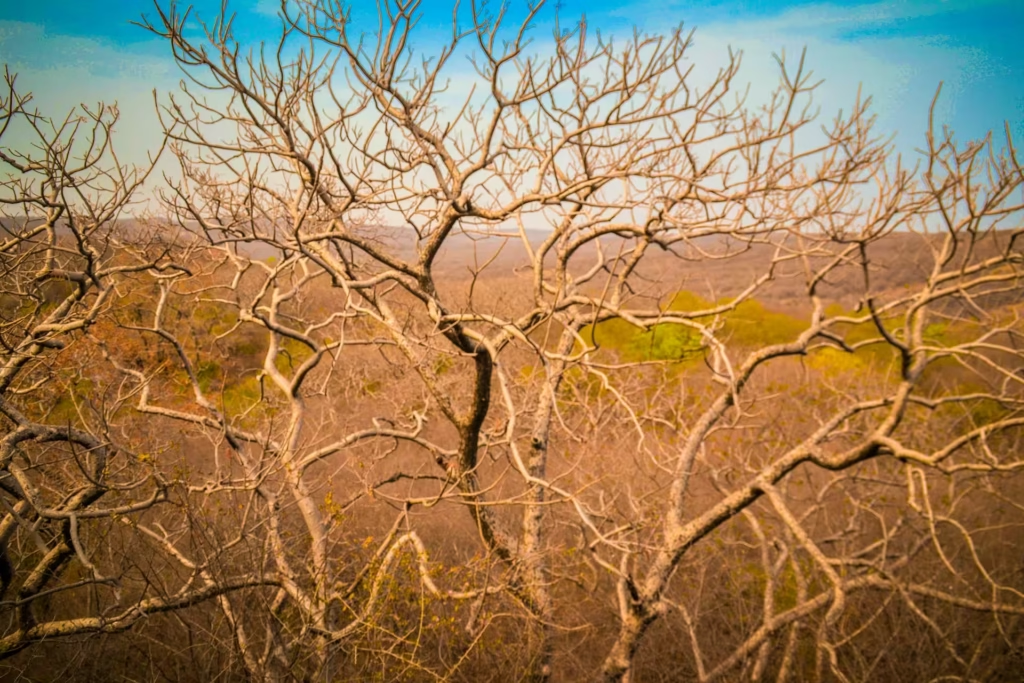
Ranthambore is largely a dry deciduous landscape, with forest broken by rocky ridges, open areas and valleys. Dhok is an important tree species, while fig and banyan trees occur in parts of the reserve. The changing density of vegetation can make some stretches feel open and others more enclosed during a safari.
Lakes, Meadows and Water
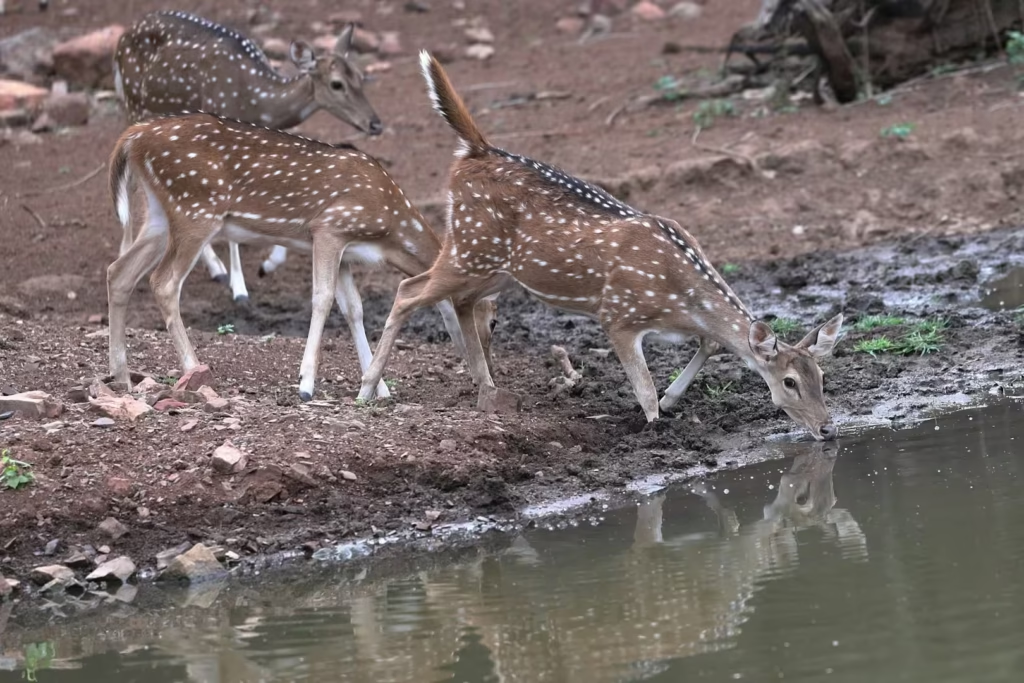
Water bodies are an important part of Ranthambore's landscape. Padam Talao, Rajbagh Talao and other water areas sit within the forest and are surrounded by vegetation and open ground. These places can attract herbivores and birds and create some of the more recognisable wildlife scenes in the reserve.
Forest Beneath Ranthambore Fort
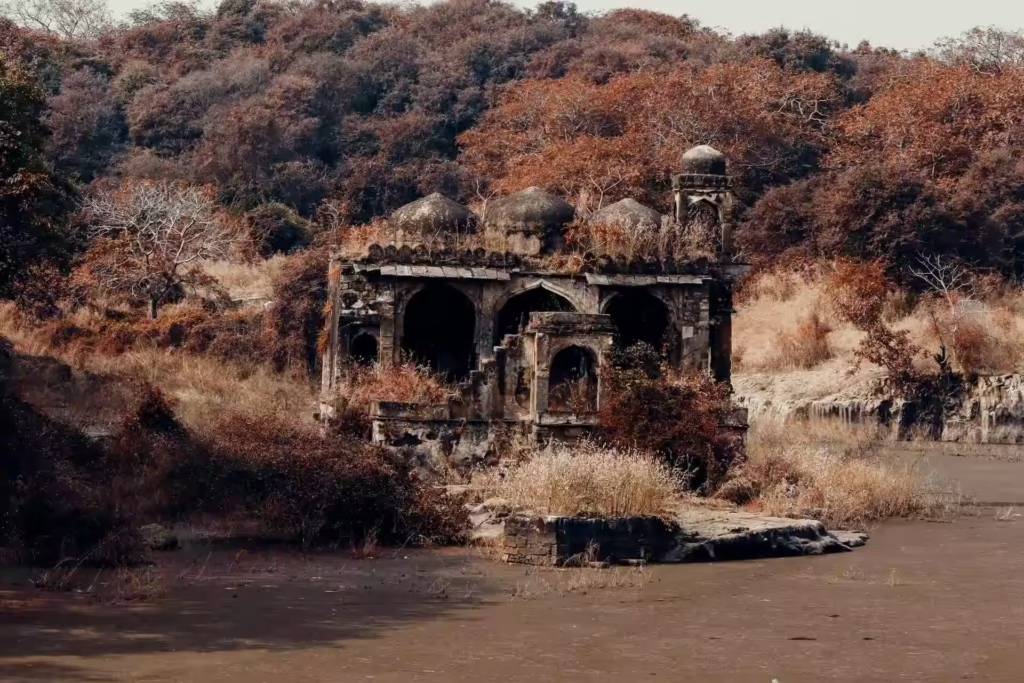
The historic Ranthambore Fort forms a striking part of the reserve's landscape. Below it, old ruins, cenotaphs and abandoned structures have become part of the forest setting. Seeing these remains alongside dry woodland and wildlife gives a safari here a strong sense of place.
Why Go on Safari in Ranthambore National Park?
A Ranthambore safari offers more than a search for tigers. Dry forest, rocky hills and lakes create changing views throughout a drive, while old ruins and the fort often appear beyond the vegetation. The reserve's wildlife is varied enough to make quieter drives worthwhile, even when a tiger is not seen.
Tiger Tracking
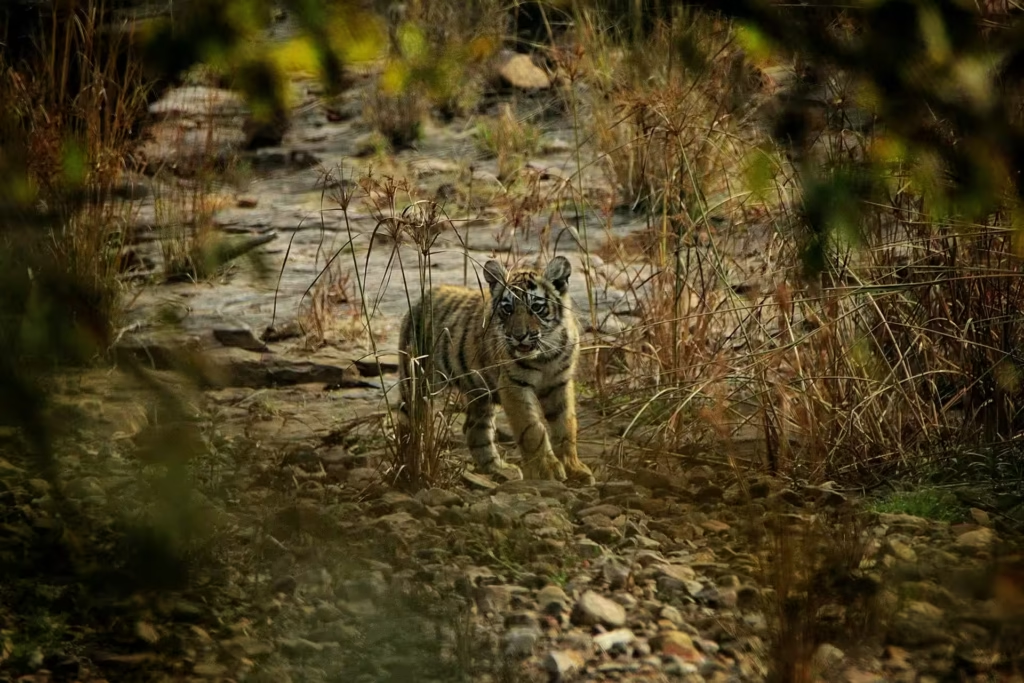
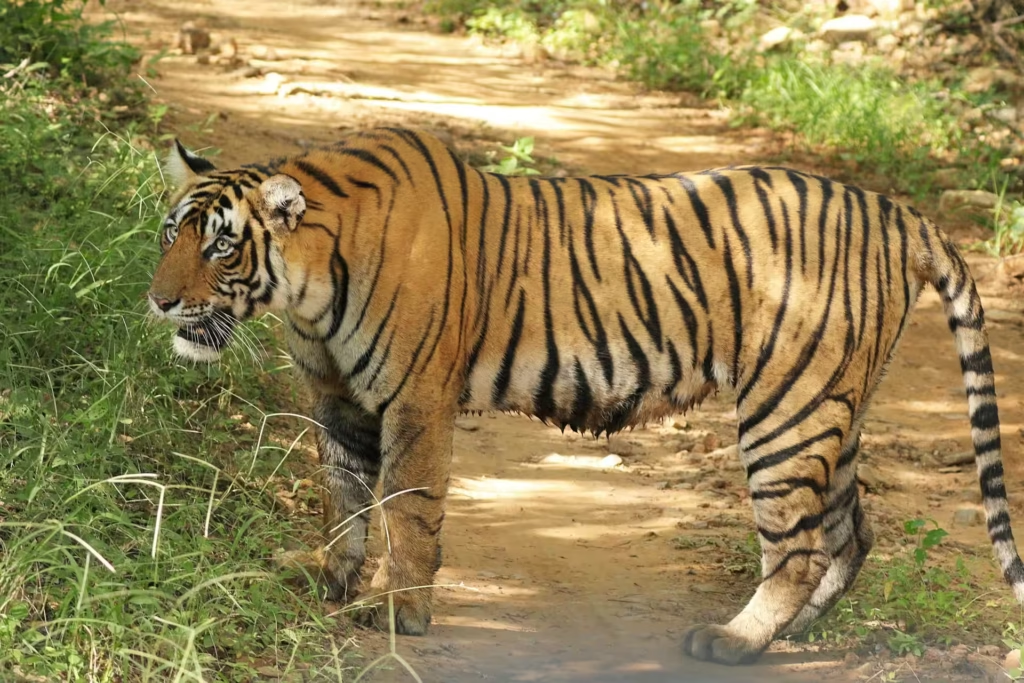
Tigers are the main attraction for many visitors to Ranthambore. Their movement through forest, grassland and areas around water can produce different viewing situations, but sightings remain dependent on natural behaviour and chance.
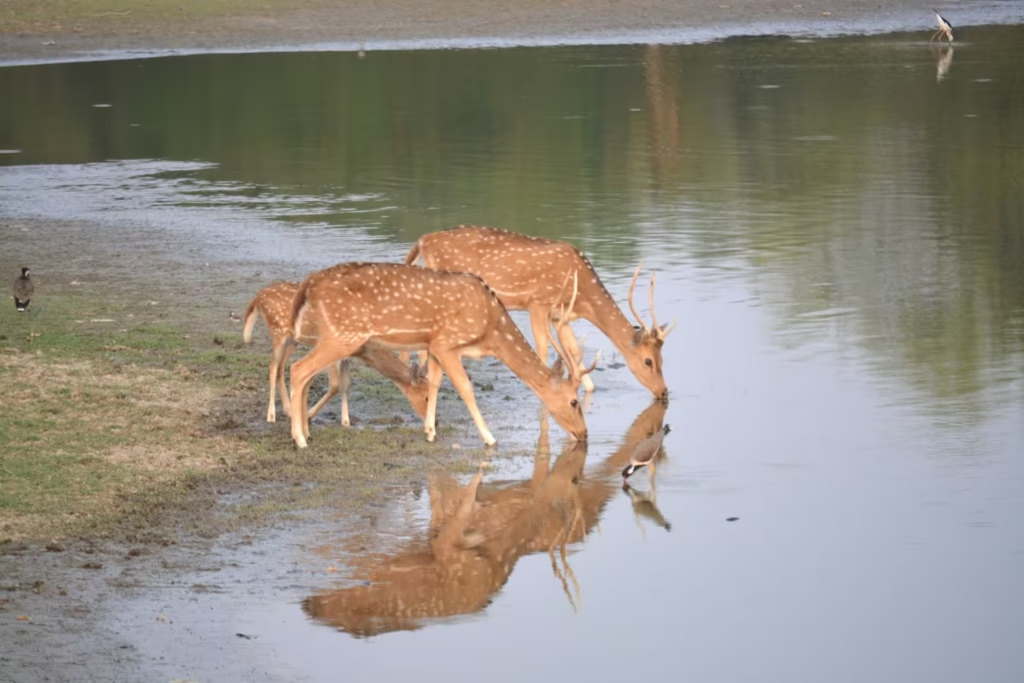
Wildlife Around the Lakes
Water bodies can attract sambar, chital, nilgai, birds and other wildlife. During a slow drive near suitable water areas, several species may appear within the same landscape.
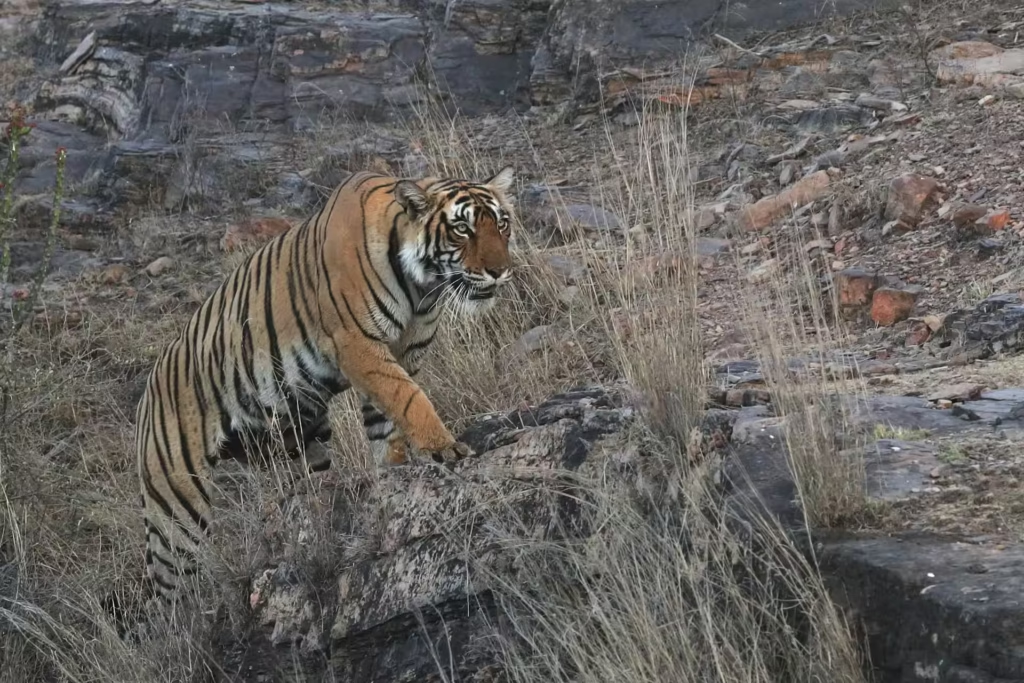
Rocky Hills and Forest Views
Ranthambore's rocky terrain gives safaris a different visual character from flatter forest reserves. Ridges, narrow valleys and open slopes create changing views as the vehicle moves between habitats.
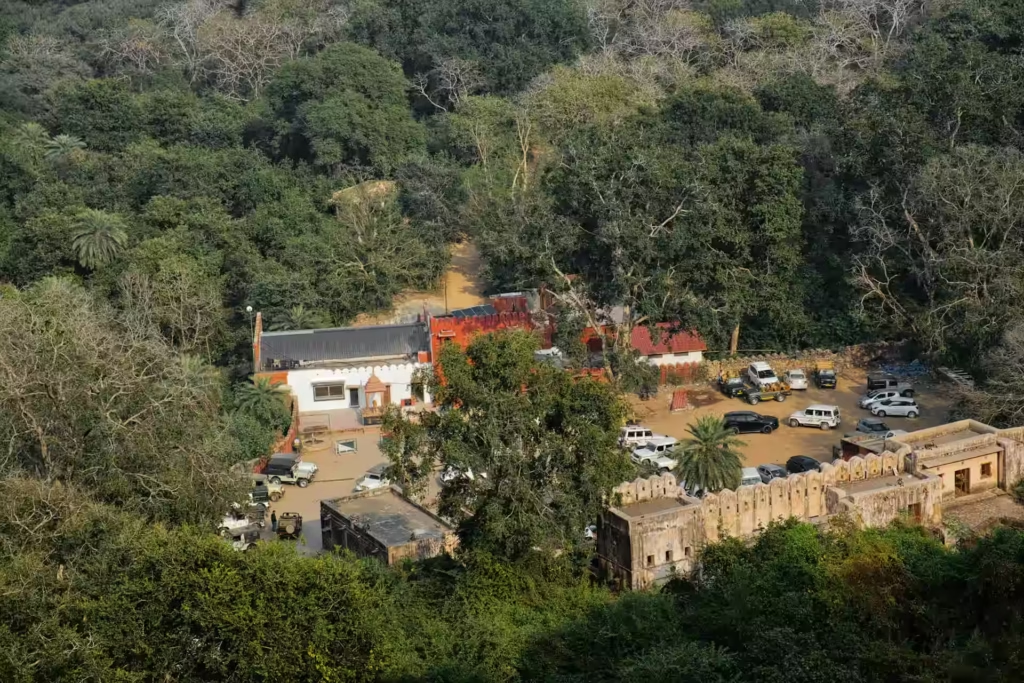
Wildlife and Historic Ruins
Few Indian tiger reserves combine wildlife viewing with such visible historic remains. Fort walls, old structures and ruined buildings can appear from within the forest, creating a distinctive backdrop during a safari.
Tigers and Wildlife of Ranthambore National Park
Ranthambore supports a varied predator and prey community within its dry forest and rocky landscape. Tigers are the best-known species, but leopards, sloth bears, hyenas and smaller carnivores also occur here. Sambar, chital and nilgai form an important part of the herbivore community, while the lakes and woodland support many birds.
Tigers of Ranthambore
Ranthambore is one of Rajasthan's best-known tiger landscapes. Tigers use different parts of the reserve, including forest, grassland and areas around water. A sighting is never guaranteed, but the habitat makes tiger tracking a central part of many safaris.
Leopards and Other Carnivores
Leopards share the reserve with tigers, while sloth bears, hyenas, jackals, foxes and other smaller carnivores add variety to the wildlife community. Some are more elusive than others and may require patience and careful observation.
Sambar, Chital and Nilgai
Sambar, chital and nilgai are among the larger herbivores found in Ranthambore. Their behaviour can also help visitors understand the forest, particularly when alarm calls or sudden movement indicate that a predator may be nearby.
Birds and Other Wildlife
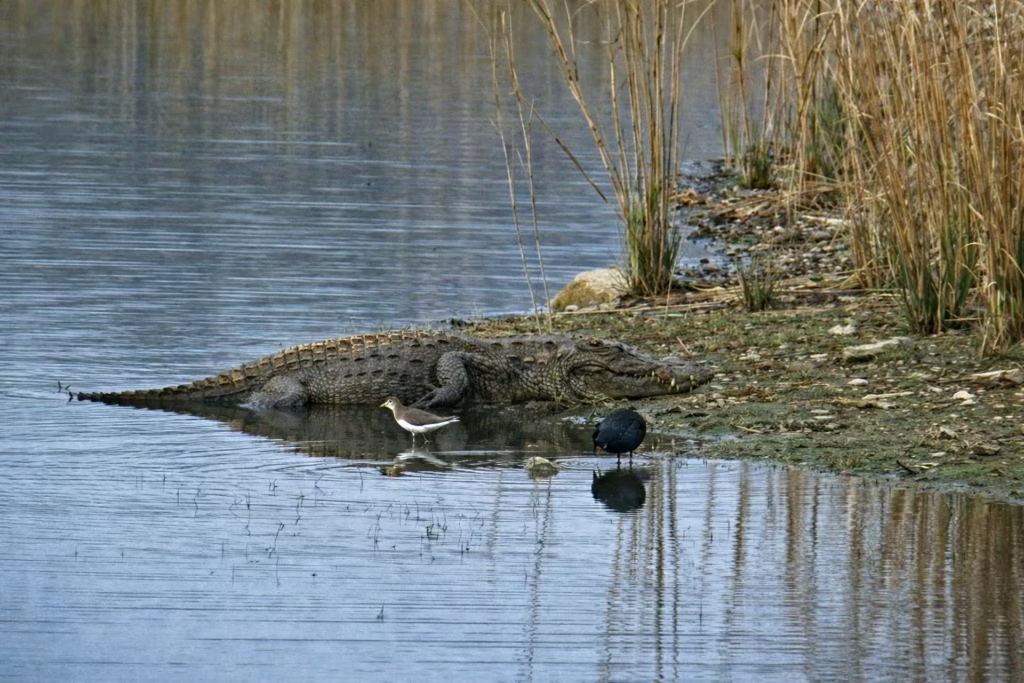
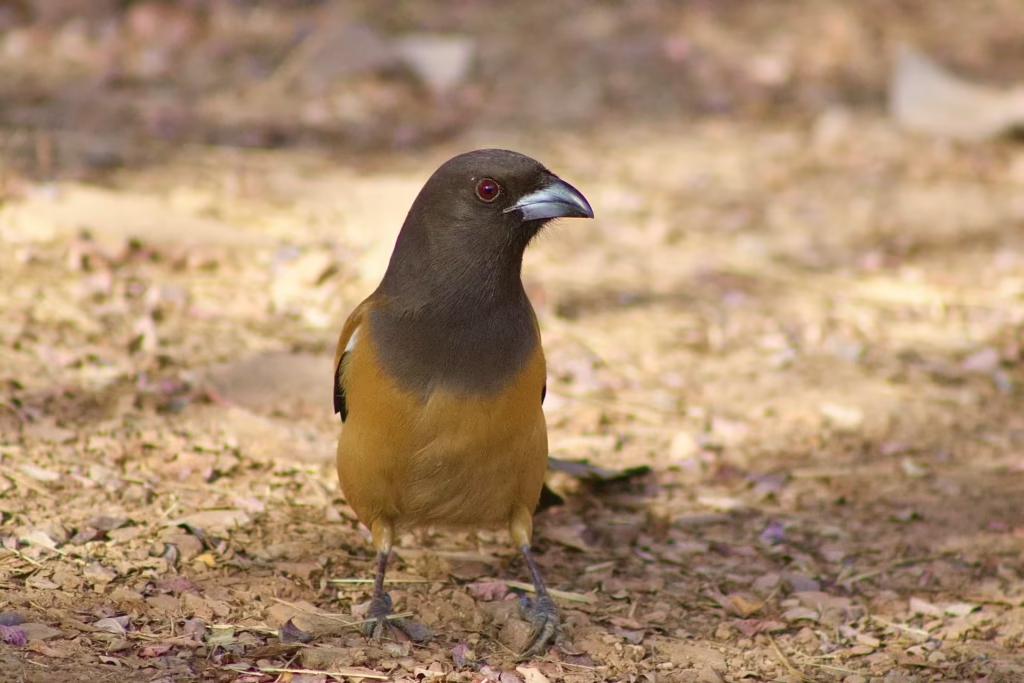
Ranthambore supports a broad range of birds alongside its mammals and reptiles. King vultures, serpent eagles and many other birds can be seen around woodland, open country and water. Crocodiles are also associated with some of the reserve's lakes.
Best Time to Visit Ranthambore National Park
Rajasthan Tourism lists Ranthambore as open from October to June. The cooler months are more comfortable for safari drives, while the hotter part of the season can bring a drier, more open forest landscape. The reserve's tourism season and current operating arrangements should always be checked before booking.
Winter
Oct–Feb
The cooler months bring more comfortable conditions for safari drives, particularly in the mornings. The forest retains more cover than later in the dry season, while pleasant daytime conditions make this a good period for combining wildlife with local sightseeing.
Best for: comfortable safaris, first-time visitors
Spring
March
Temperatures begin rising and the forest gradually becomes drier. The transition towards hotter weather can make wildlife activity around open areas and water increasingly interesting.
Best for: balanced weather and wildlife viewing
Summer
Apr–Jun
Hot conditions become more pronounced and vegetation becomes drier. Water sources can become increasingly important to wildlife, while thinner vegetation may improve visibility in some parts of the forest.
Best for:experienced wildlife travellers, wildlife tracking
Monsoon
Jul–Sep
The main Ranthambore tourism season does not extend through these months. The forest changes with the arrival of rain, but regular tourist safari access follows the reserve's current seasonal rules.
Best for: checking future-season plans rather than regular safari travel
How to Reach Ranthambore National Park
Ranthambore is centred around Sawai Madhopur, which provides the main rail and road gateway for visitors. Rajasthan Tourism places the park about 14 km from Sawai Madhopur and notes rail connections from Delhi, Mumbai and Jaipur. Jaipur is the main practical airport gateway for many travellers, with road transfers continuing to Sawai Madhopur.
By Air
Jaipur is the most commonly used major airport for a Ranthambore trip, followed by a road transfer to Sawai Madhopur. The journey time depends on traffic and the exact starting point.
By Road
Ranthambore is easily incorporated into Rajasthan road itineraries from Jaipur and other major cities. The park lies around 14 km from Sawai Madhopur, while the final journey to your accommodation depends on its location.
By Rail
Sawai Madhopur is the most convenient railway gateway. Rajasthan Tourism notes rail access from Delhi, Mumbai and Jaipur, making the park practical to combine with wider Rajasthan travel.
How Many Days Do You Need in Ranthambore National Park?
The ideal stay depends on how many safari drives you want and whether Ranthambore is part of a wider Rajasthan itinerary. Several drives give you opportunities to experience different tourism zones and changing conditions rather than relying on one outing.
Ideal stay: 3 - 4 nights for most visitors, allowing several safari drives with enough flexibility around arrival and departure.
2 Nights in Ranthambore
Two nights can work for travellers combining Ranthambore with Jaipur or Agra. You can fit in a few safari drives, but the shorter stay leaves less flexibility if weather, animal movement or safari availability affects your plans.
3 Nights in Ranthambore
Three nights offer a useful balance for most first-time visitors. Several drives give you more opportunities to explore different routes, observe a wider range of wildlife and experience both morning and afternoon conditions.
4+ Nights in Ranthambore
Four or more nights suit photographers and wildlife travellers who want a slower itinerary. Extra time gives you more safari opportunities and reduces the pressure to make one particular drive produce a major sighting.
For most travellers, 3 - 4 nights is a practical stay, especially when several safaris are a priority.
Ranthambore Safari Experiences
A Ranthambore safari offers more than a search for tigers. Each drive brings different wildlife, bird activity, light and forest conditions. Morning and afternoon safaris have their own character, while the combination of dry forest, lakes, rocky hills and historic ruins makes each route visually different.
Morning Safari
Early drives bring cooler air and softer light across the dry forest. Wildlife can be active before temperatures rise, while the low morning light can bring out the texture of rocky slopes and open woodland.
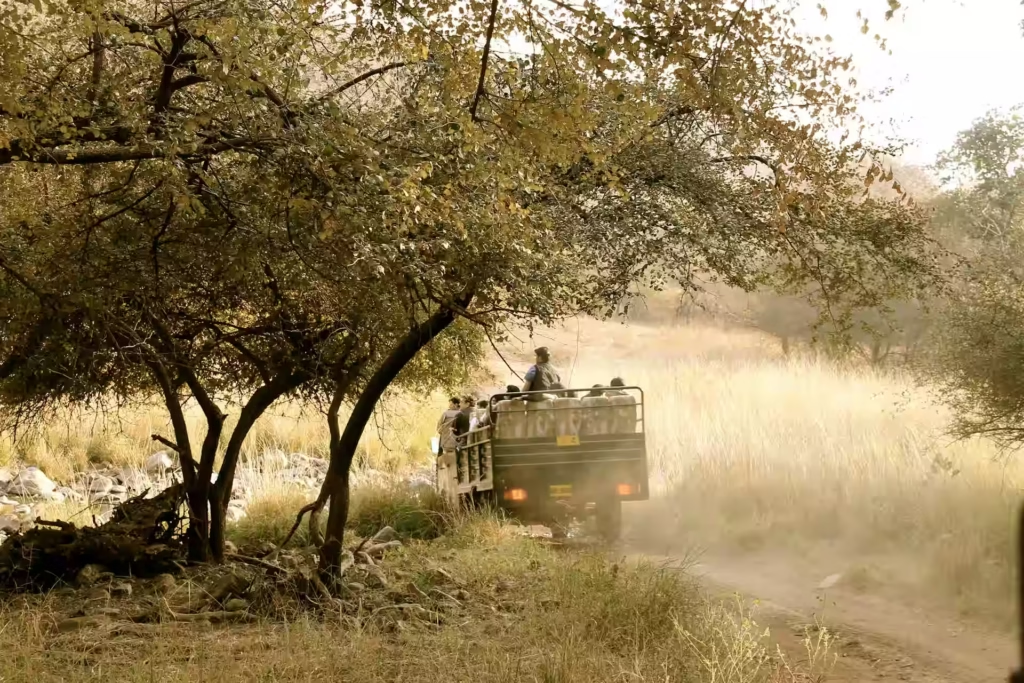
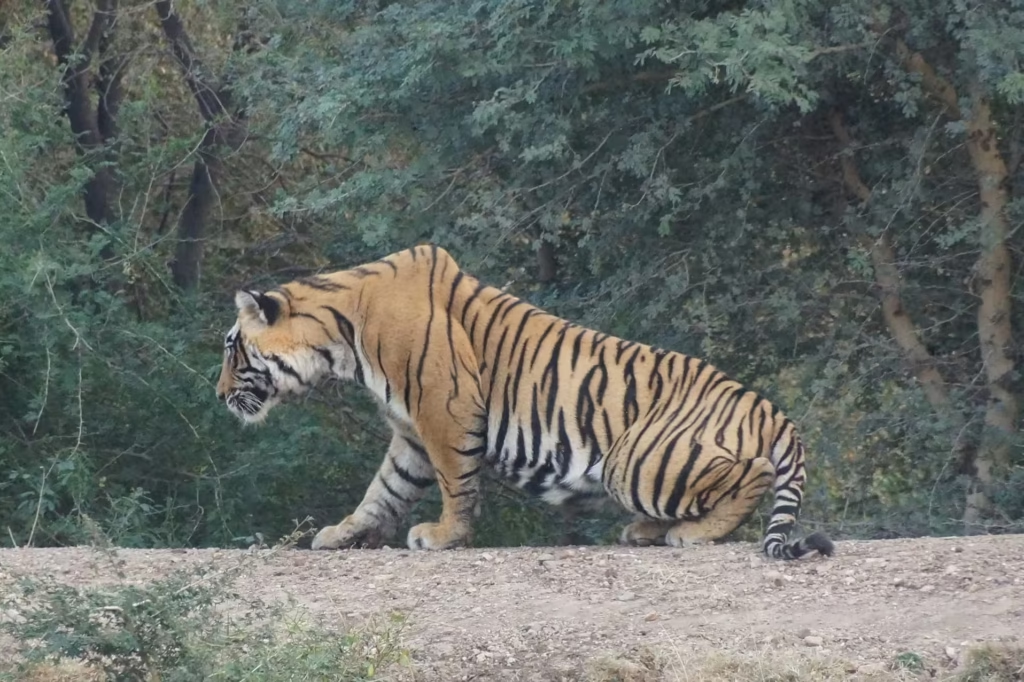
Tiger Tracking
Tiger tracking depends on reading the forest rather than following a fixed route. Alarm calls, pugmarks, movement of prey species and information from other safari vehicles can all become part of the search.
Lakeside Wildlife
Ranthambore's lakes create some of its most recognisable wildlife settings. Sambar, chital, birds and crocodiles may be seen around suitable water bodies, while the surrounding forest can bring additional wildlife into view.
Fort and Ruins on Safari
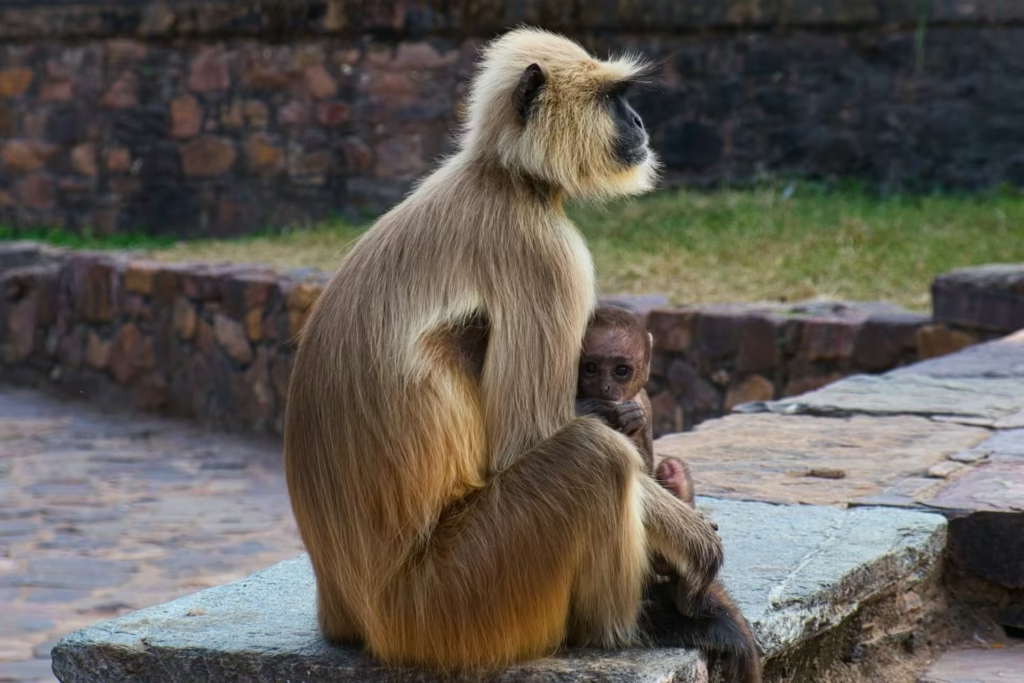
The historic landscape is part of the safari experience. Views towards Ranthambore Fort, old structures and ruined settlements can appear between forested slopes, giving wildlife drives a strong historical backdrop.
Birdwatching and Smaller Wildlife
A slower safari can reveal more than large mammals. Raptors, water birds, woodland species and smaller animals add detail to quieter stretches, making binoculars useful throughout the drive.
Ranthambore Safari Tips for First-Time Visitors
- Book Early: Book your safari permits early, especially for travel between October and June, when popular dates fill quickly.
- Choose Multiple Safari Drives: Plan at least three safari drives to explore different forest areas and increase your wildlife viewing opportunities.
- Carry Binoculars: Bring 8x or 10x binoculars for spotting birds, distant animals and wildlife hidden among the trees.
- Dress for the Season: Wear comfortable, neutral-coloured layers, with warm clothing in winter and sun protection during the hotter months.
- Follow Your Guide's Instructions: Stay inside the vehicle, keep quiet and follow your guide's instructions throughout the safari.
- Never Expect a Guaranteed Tiger Sighting: Tiger sightings are never guaranteed, so enjoy the full forest experience and watch for other wildlife too.
Combine Ranthambore With Other Indian Wildlife Destinations
Ranthambore works particularly well in Rajasthan and North India itineraries. It can be paired with another tiger reserve for a broader wildlife trip or combined with Jaipur, Agra and other heritage destinations. The best combination depends on how much time you have and whether wildlife or cultural travel is the main focus.
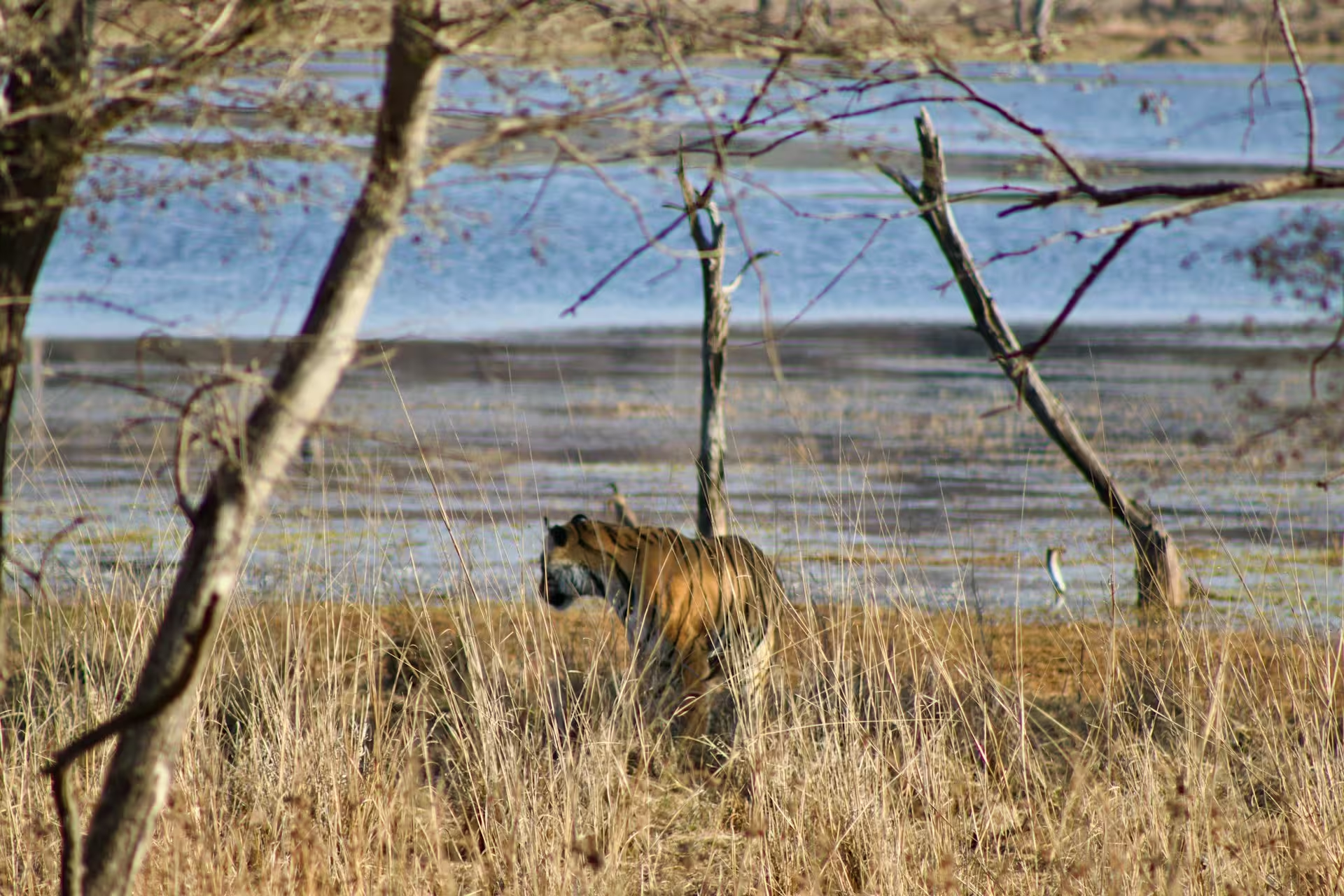
Ranthambore + Bandhavgarh
Combining Ranthambore with Bandhavgarh creates a two-reserve tiger itinerary across different landscapes. It suits travellers who want several safari days rather than relying on one destination.
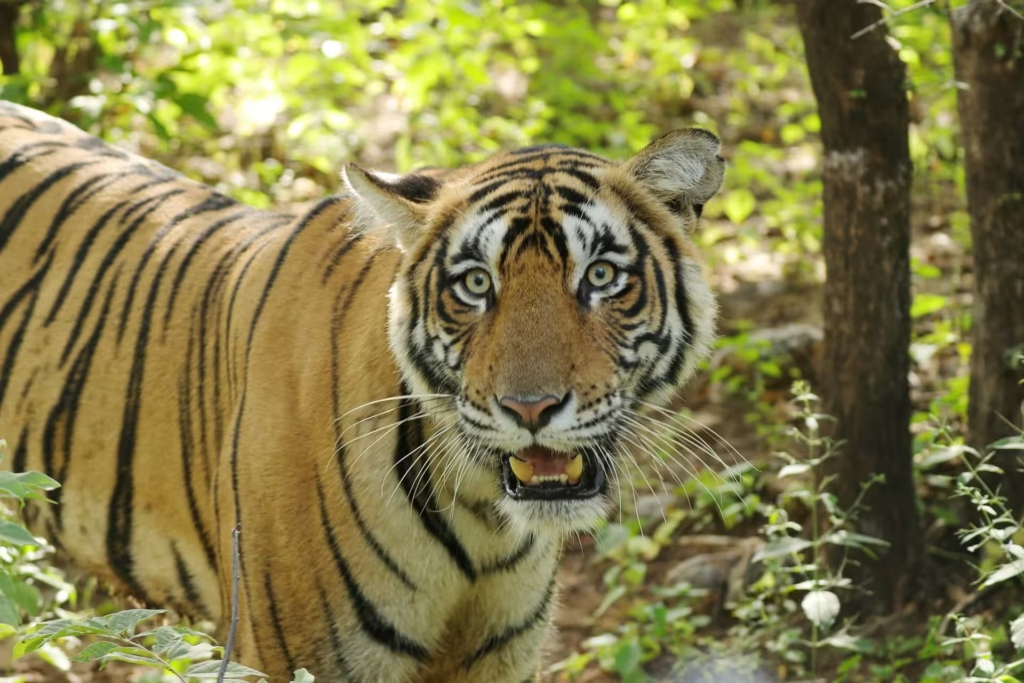
Ranthambore + Kanha
Ranthambore and Kanha provide a contrast between Rajasthan's dry, rocky forest and Central India's sal-dominated landscape. The combination works better as a longer wildlife journey with enough nights for transfers and multiple safaris.
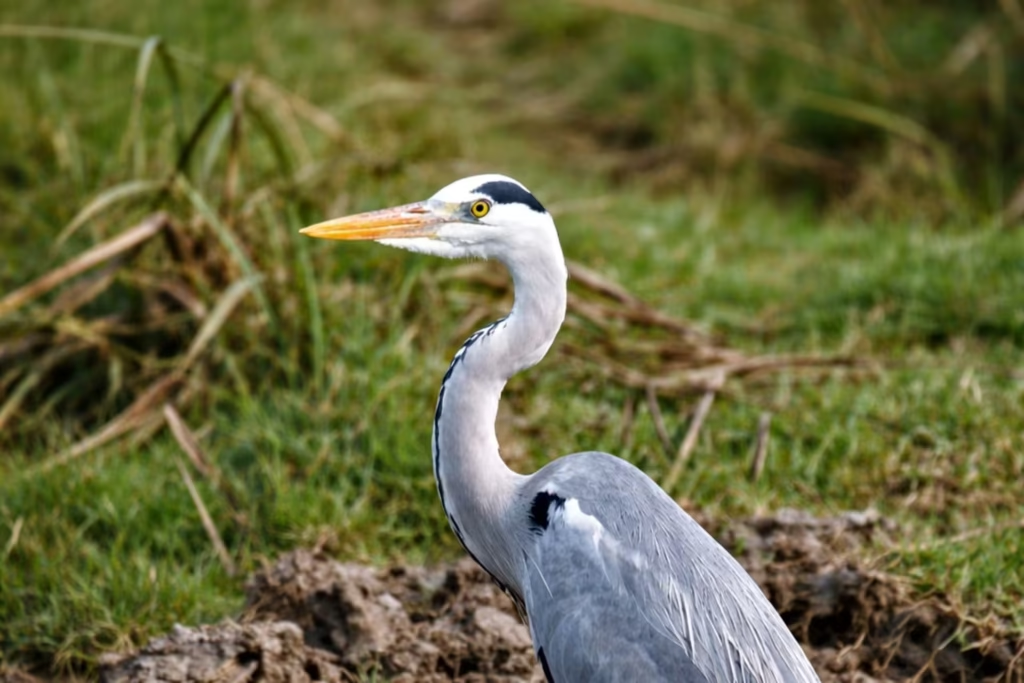
Ranthambore + Bharatpur
Ranthambore can be combined with Bharatpur for a varied wildlife itinerary. The contrast between a tiger reserve and a major wetland birding destination gives the trip a broader focus beyond big cats.
Ranthambore + Other Central India Destinations
Ranthambore is particularly easy to combine with Rajasthan's heritage circuit because Sawai Madhopur connects naturally with Jaipur and Agra. For travellers focused mainly on wildlife, Bharatpur provides a strong contrast through wetland birding, while a longer itinerary can include another tiger reserve. The right combination depends on transfer time and the number of safari nights you want.
How to Plan Your Ranthambore Safari
Start by choosing your travel dates and deciding how many safari drives you want. Ranthambore's tourism area is divided into designated zones, with routes regulated according to management and carrying-capacity considerations. The current Rajasthan Forest Department booking system allows visitors to apply for Ranthambore permits and check availability.
Accommodation should be chosen around your planned safari arrangements rather than only by hotel category. Sawai Madhopur is the main base, and staying there keeps the safari area practical for early departures. Rajasthan Tourism also recommends making reservations in advance because of the reserve's popularity.
Build some flexibility into the itinerary. Safari availability, operating rules and permit arrangements can change, so current information should be checked before travel. For online permits, use the Rajasthan Forest Department's official booking system rather than relying on unofficial booking websites.
Frequently Asked Questions About Ranthambore National Park
What is Ranthambore National Park famous for?
Ranthambore is best known for its tiger population, dry deciduous forest, lakes, rocky terrain and the historic Ranthambore Fort.
Is Ranthambore National Park good for tiger sightings?
Yes, Ranthambore is one of India's best-known tiger safari destinations, but sightings remain unpredictable and cannot be guaranteed.
What is the best time to visit Ranthambore National Park?
Rajasthan Tourism lists the park's main visiting season as October to June.
Which safari zone or gate is best in Ranthambore?
Ranthambore has designated tourism zones and regulated safari routes. The most suitable zone depends on your permit and current allocation rather than one permanently “best” zone.
How much does a Ranthambore safari cost?
The current cost depends on the permit category, vehicle type, guide and applicable Rajasthan Forest Department tariff. Check the official booking system for the latest amount.
How do I book a Ranthambore safari?
Ranthambore safari permits can be booked through the Rajasthan Forest Department's official online system. Current availability should be checked before making travel arrangements.
How many days are enough for Ranthambore National Park?
Three to four nights work well for most visitors who want several safari drives without making the itinerary too long.
How far is Ranthambore National Park from Sawai Madhopur?
Rajasthan Tourism places the park about 14 km from Sawai Madhopur. The actual journey to a hotel or safari entry point varies by location.
What animals can you see in Ranthambore National Park?
Wildlife includes tiger, leopard, sloth bear, hyena, jackal, fox, sambar, chital, nilgai, langur, crocodiles and many bird species.
Is Ranthambore National Park worth visiting?
Yes, particularly if you want a tiger safari combined with dry forest, lakes, rocky terrain and a strong historic setting around Ranthambore Fort.