
Tadoba National Park
The forest where the wild comes alive
Tadoba a Glance
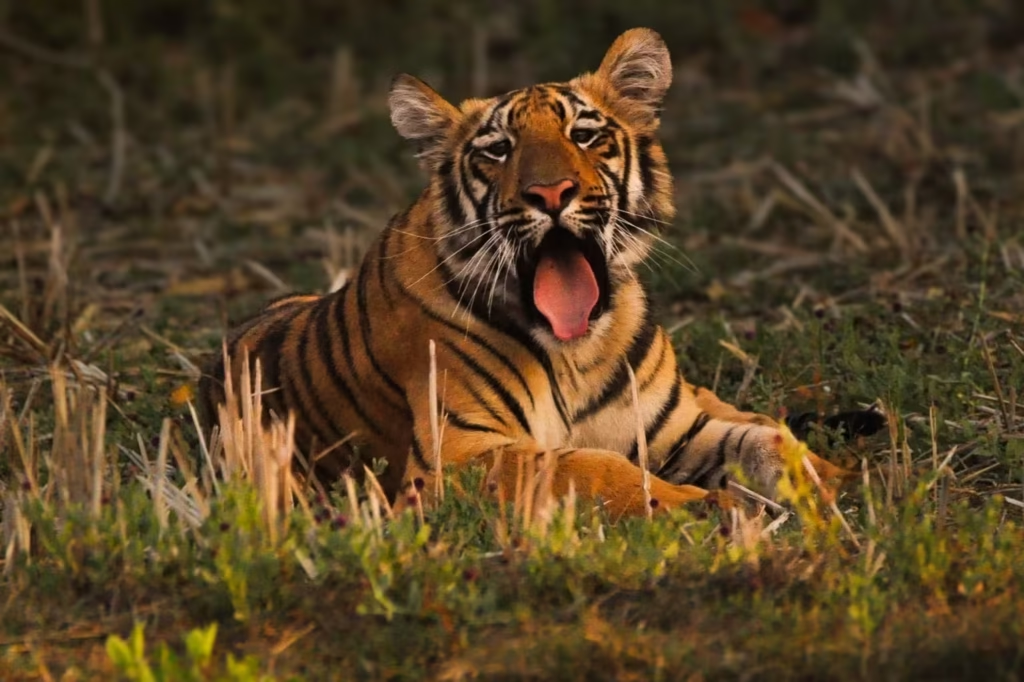
Tadoba National Park lies within the Tadoba-Andhari Tiger Reserve in Chandrapur district, Maharashtra. Its dry deciduous forest includes teak, bamboo, open grasslands and wooded slopes. Tadoba Lake and the Andhari River are important parts of the landscape, while smaller water bodies provide wildlife with drinking sites. Tigers are the reserve's best-known animal, but the forest also supports leopards, dholes, sloth bears, gaur, sambar, chital, wild pigs, mugger crocodiles and many bird species. The reserve currently offers gypsy safaris through a network of core and buffer gates.
Discover Tadoba National Park
Tadoba's character comes from the meeting of dry forest, open country and water. Teak and bamboo dominate many areas, while lakes and seasonal streams shape where animals move through the landscape.
Forest, Bamboo and Open Grasslands
The reserve is classified mainly as southern tropical dry deciduous forest. Teak and bamboo form an important part of the vegetation, with open grasslands adding a different structure to the forest. These changes in cover affect how wildlife moves and where safari drives become interesting.
Tadoba Lake and the Andhari River
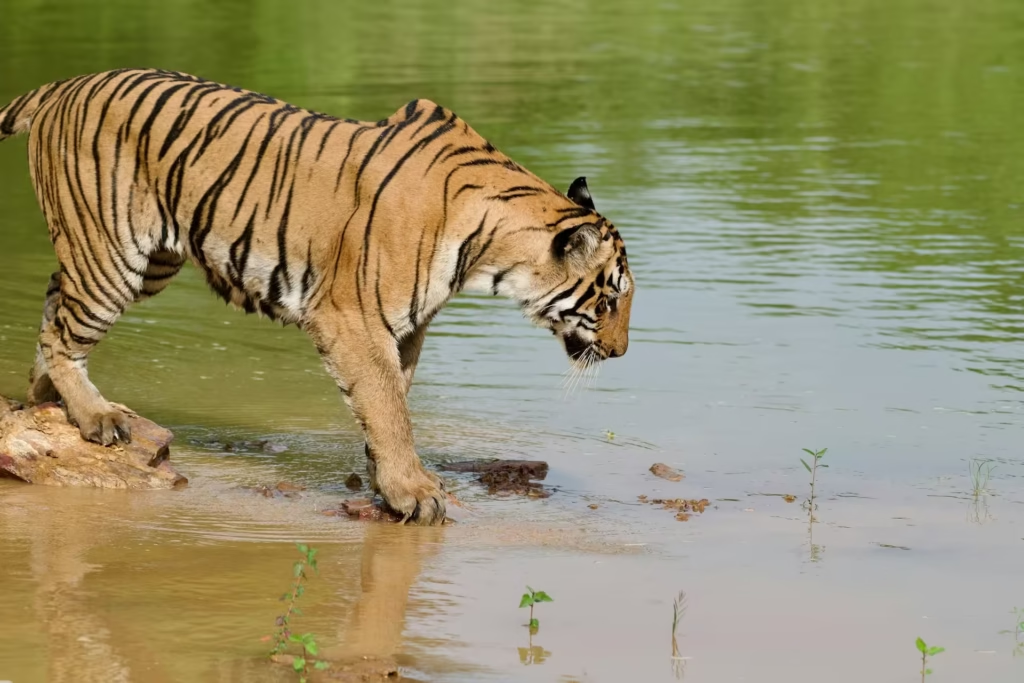
Water is a defining feature of Tadoba. Tadoba Lake is a perennial water body in the core landscape, while the Andhari River runs through the reserve's Andhari sector. These water sources influence wildlife movement, particularly during the hotter part of the year.
A Landscape Shaped by Dry Seasons
As the dry season advances, grasses lose their colour and the forest becomes more open. Leaves thin on many trees, visibility can improve along some tracks, and animals often spend more time near dependable water. The same landscape changes again with the arrival of rain, when the forest becomes denser and greener.
Why Go on Safari in Tadoba?
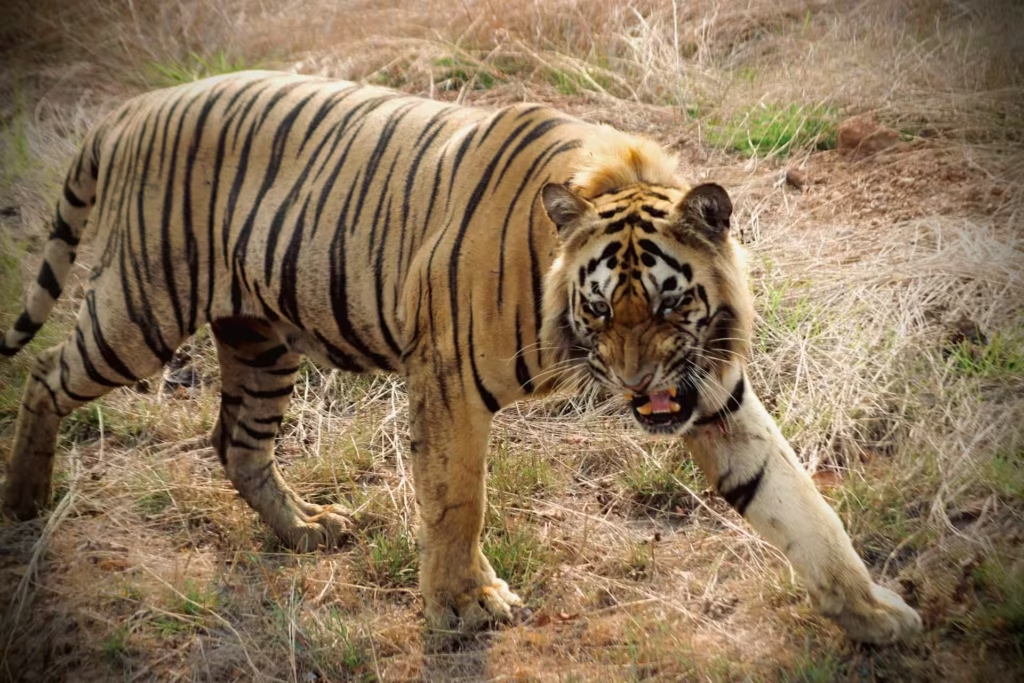
A wildlife safari in Tadoba is about reading a changing forest rather than following one expected sighting. The reserve's mix of water, grassland, bamboo and woodland creates different safari conditions across the day and between seasons.
Tiger Country
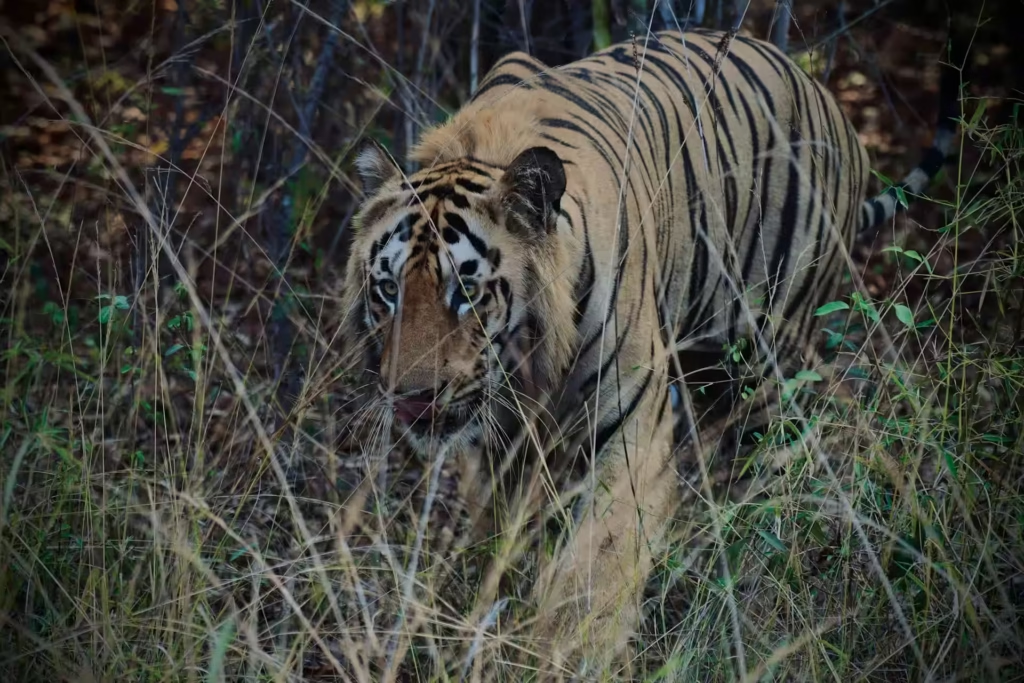
Tadoba is known for its tiger population and has become an important tiger landscape in Maharashtra. A safari may bring you close to tracks, alarm calls, prey species or a tiger itself, but sightings remain unpredictable. The value of the drive lies in watching how the forest works around its largest predator.
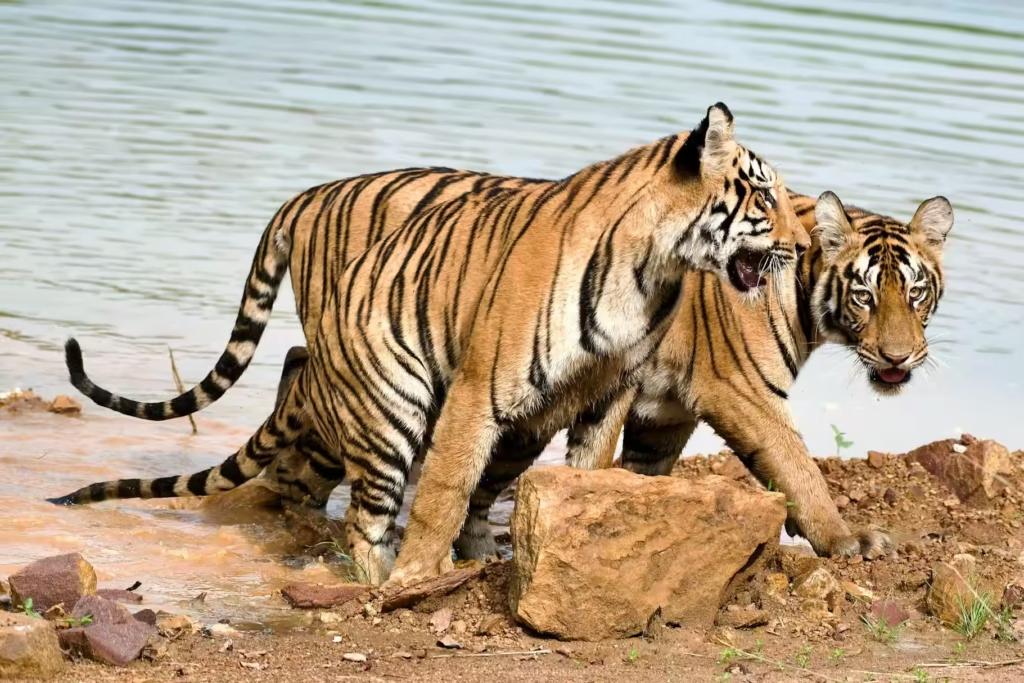
Water and Wildlife Movement
Water bodies can become useful places to watch wildlife during hot weather. Tadoba Lake, Kolsa Lake, the Andhari River and other water sources support animals across the reserve. Sitting quietly near suitable habitat can reveal movement that is easy to miss while travelling quickly along a track.
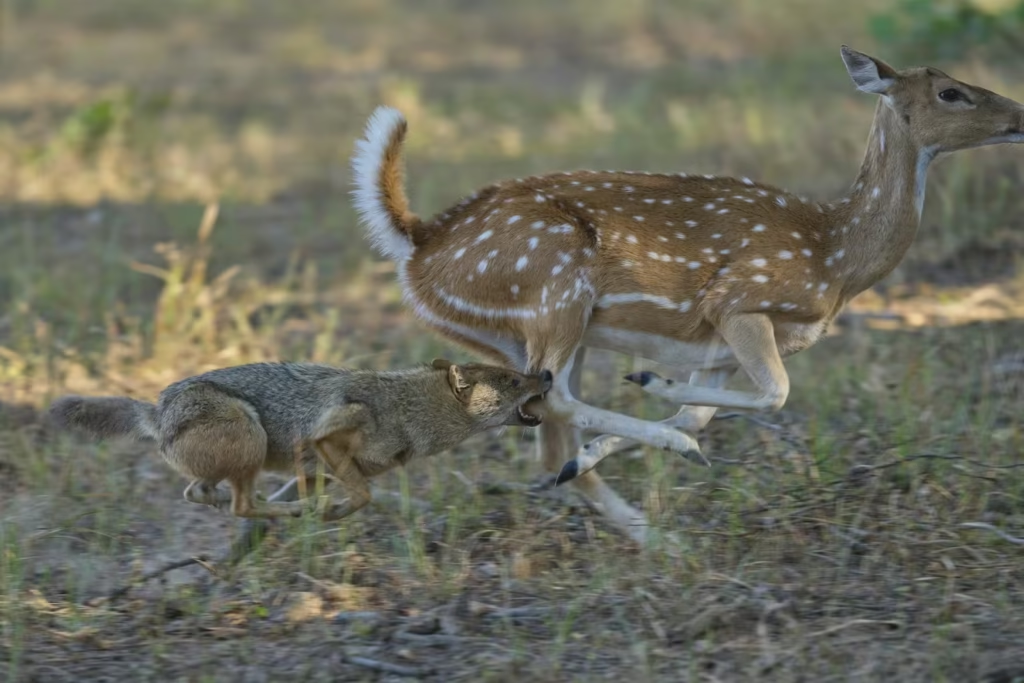
Beyond Tigers
Tadoba supports a wider carnivore community that includes leopards, dholes and jungle cats. Herbivores such as gaur, sambar, chital and wild pigs form an important part of the food web. Watching these species gives a fuller picture of the reserve beyond tiger sightings.
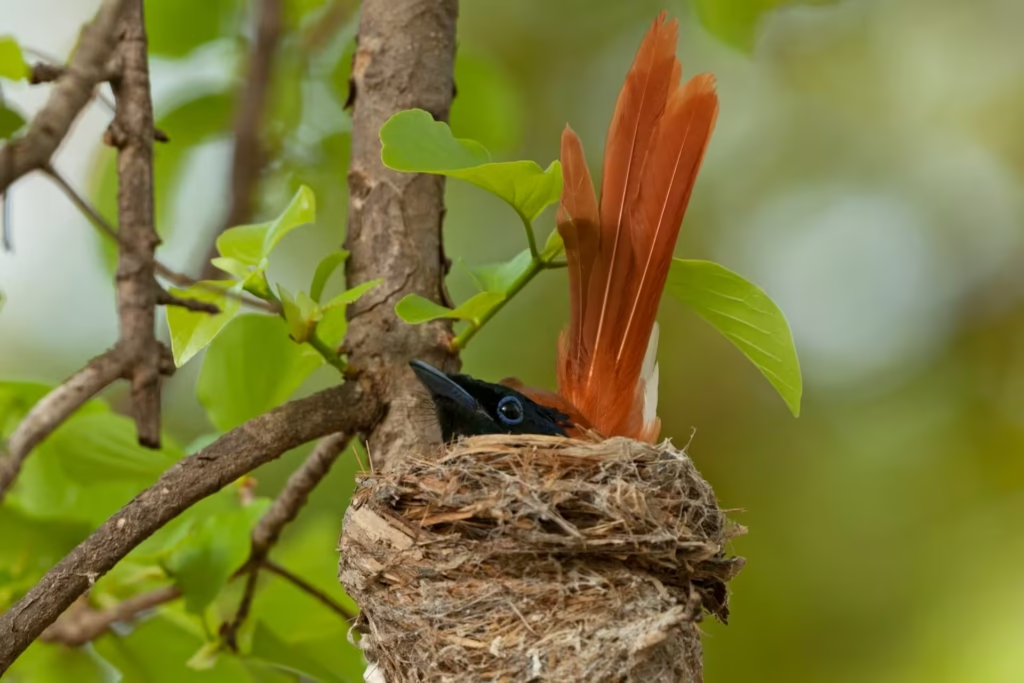
Birds in the Dry Forest
Birdwatching works well alongside a tiger-focused safari. Tadoba's forest, wetlands and open areas support a varied bird community, including raptors, flycatchers, storks and other woodland species. The slower pace needed for bird observation can also sharpen your awareness of smaller movements in the forest.
Tigers and Wildlife of Tadoba
Tadoba's wildlife is tied closely to its dry forest, grasslands and water sources. Tigers receive much of the attention, but the reserve's ecological character comes from the full range of predators, prey, birds and reptiles sharing the same landscape.
Tigers of Tadoba
Tadoba-Andhari is recognised as an important tiger reserve and source population within the wider central Indian tiger landscape. Tigers use different parts of the reserve according to territory, prey and water availability. A safari offers an opportunity to observe signs of their presence, but no drive can guarantee a sighting.
Leopards, Dholes and Other Carnivores
Leopards and dholes are among Tadoba's better-known carnivores. The reserve also supports jungle cats and other smaller predators. Their movements are often less predictable than those of common herbivores, so patience and attention to alarm calls can add depth to a safari.
Gaur, Deer and Other Herbivores
Gaur, sambar, chital and wild pigs form an important prey base for predators. Their behaviour can also help explain what is happening nearby. A sudden change in the movement of chital or langurs, for example, may draw attention to activity deeper in the forest.
Birds and Other Wildlife
Tadoba supports a varied birdlife, along with reptiles such as mugger crocodiles. Tadoba Lake and other wetland areas provide habitat for water-associated wildlife, while woodland and grassland support different bird communities.
Best time to visit Tadoba National Park
Tadoba changes sharply through the year. Cooler months make longer drives more comfortable, while the hotter dry season can bring animals towards reliable water sources. The monsoon changes the forest again and affects safari operations, so current opening rules should be checked before booking.
Winter
Oct–Feb
Cool and comfortable safari conditions. Mornings can feel cold, while the forest remains pleasant for longer drives.
Best for: general safari, first-timers, families, photographers
Spring
March
Warmer days and thinner foliage improve visibility. Chital, sambar and gaur can be easier to spot in open areas.
Best for: wildlife viewing, open forest visibility
Summer
Apr–Jun
High temperatures and sparse foliage can improve wildlife tracking near water sources. Early drives are more comfortable.
Best for: tiger tracking, experienced wildlife travellers
Monsoon
Jul–Sep
Rain brings fresh greenery, but safari operations can vary by zone and current reserve rules.
Best for: forest scenery, off-season interest only
How to Reach Tadoba National Park
Tadoba has several access points, so the best route depends on the safari gate and accommodation chosen. Nagpur is the main air gateway, while Chandrapur provides a practical rail and road connection.
By Air
Dr Babasaheb Ambedkar International Airport in Nagpur is the nearest major airport listed by Maharashtra Tourism. The reserve is spread across several access areas, so the actual road journey depends on the safari gate and your accommodation.
By Road
Road access is available from Nagpur, Chandrapur and nearby towns. Maharashtra Tourism identifies Chandrapur as an important road access point and lists routes towards major safari areas including Moharli, Navegaon and Kolara. The final journey varies according to the gate selected.
By Rail
Chandrapur is the closest major railway station cited by Maharashtra Tourism, at about 45 km from the reserve. Nagpur is another practical rail gateway for travellers connecting their train journey with a road transfer.
How Many Days Do You Need in Tadoba?
The ideal stay depends on how many safari drives you want and how much time you have in India. A longer stay gives you more chances to explore different zones and observe wildlife at a relaxed pace.
2 Nights in Tadoba
Two nights allow for a short wildlife break with a small number of safari drives. This works for travellers with limited time, especially when Tadoba forms part of a wider wildlife holidays in India itinerary. The shorter stay leaves less room to adapt if weather, wildlife movement or safari availability does not favour your first drive.
3 Nights in Tadoba
Three nights give you more chances to explore different safari areas and experience both morning and afternoon conditions. You also have greater flexibility if one drive produces little wildlife activity. This is a sensible balance for a first visit without making Tadoba the only destination on a longer trip.
4+ Nights in Tadoba
Four or more nights suit photographers, keen birdwatchers and travellers who want a slower wildlife experience. More drives allow you to experience different forest conditions and spend time observing species beyond tigers. A longer stay also gives you more flexibility around gate availability and weather.
For most first-time visitors, three to four nights provide enough time to experience Tadoba without rushing. The right length depends on how many safari drives you want and whether you are combining the reserve with other Indian national parks.
Tadoba Safari Experiences
A Tadoba safari offers more than a search for tigers. Each drive brings different wildlife, bird activity, light and forest conditions. Morning and afternoon safaris have their own character, so several drives give you a fuller experience.
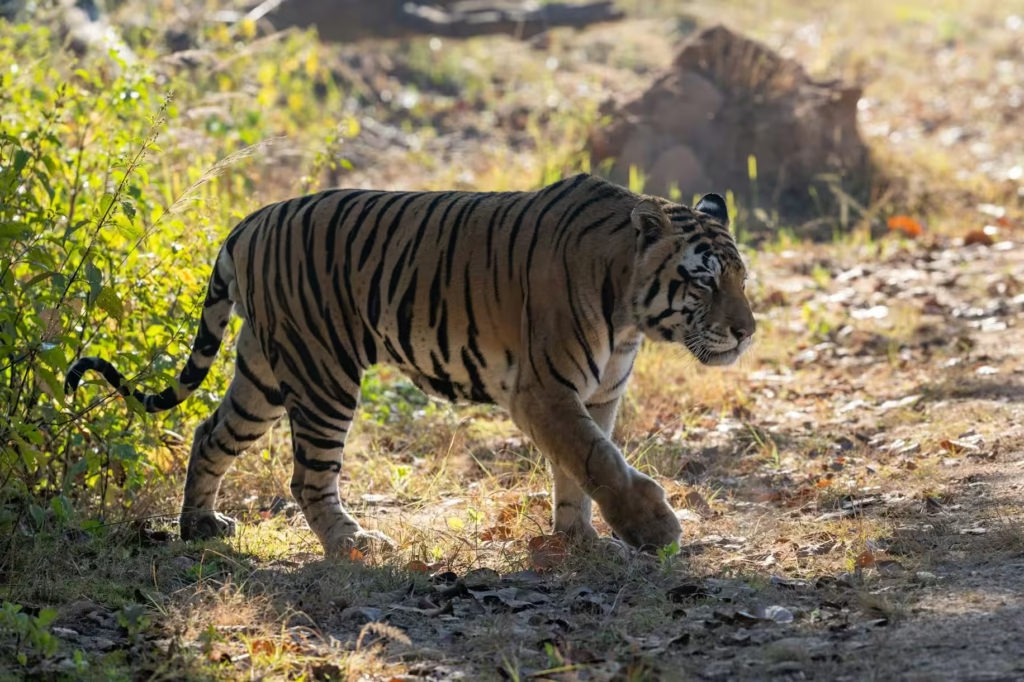
Morning Tiger Safari
The early hours bring cooler air and a forest that is still settling after the night. Bird calls build around the vehicle as the light reaches the trees. A morning drive is useful for watching the forest wake up, with herbivores often active before the stronger heat arrives.
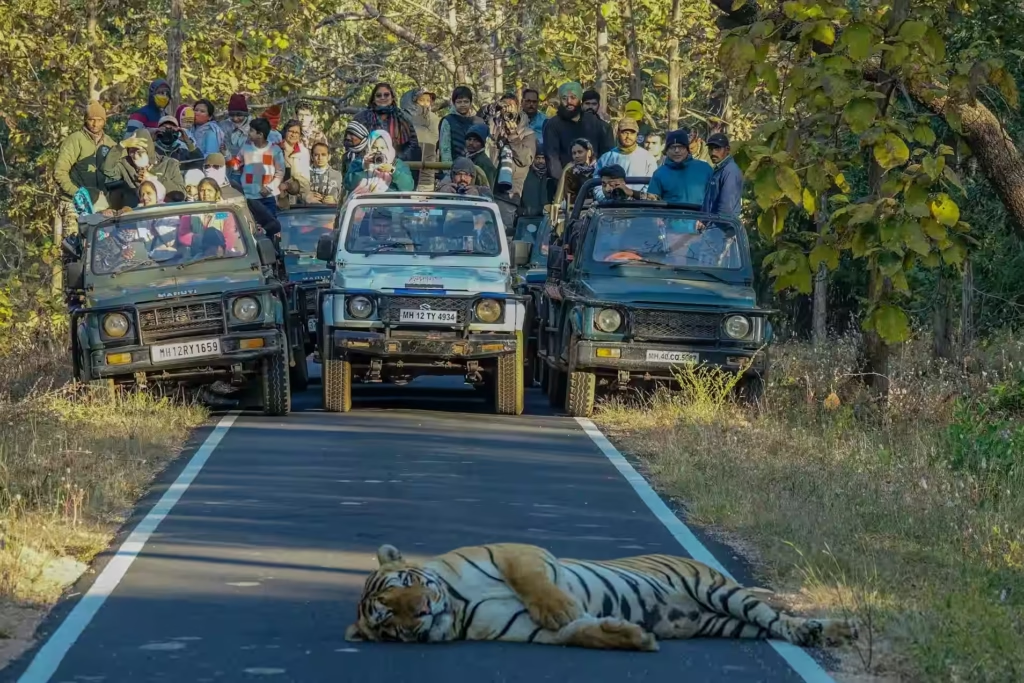
Afternoon Forest Safari
Afternoon safaris move through a different rhythm. Heat builds, shadows shorten and animals may become less active in exposed areas. The changing light can reveal movement near woodland edges and water. The drive becomes as much about reading habitat as searching for a particular animal.
Tiger Tracking
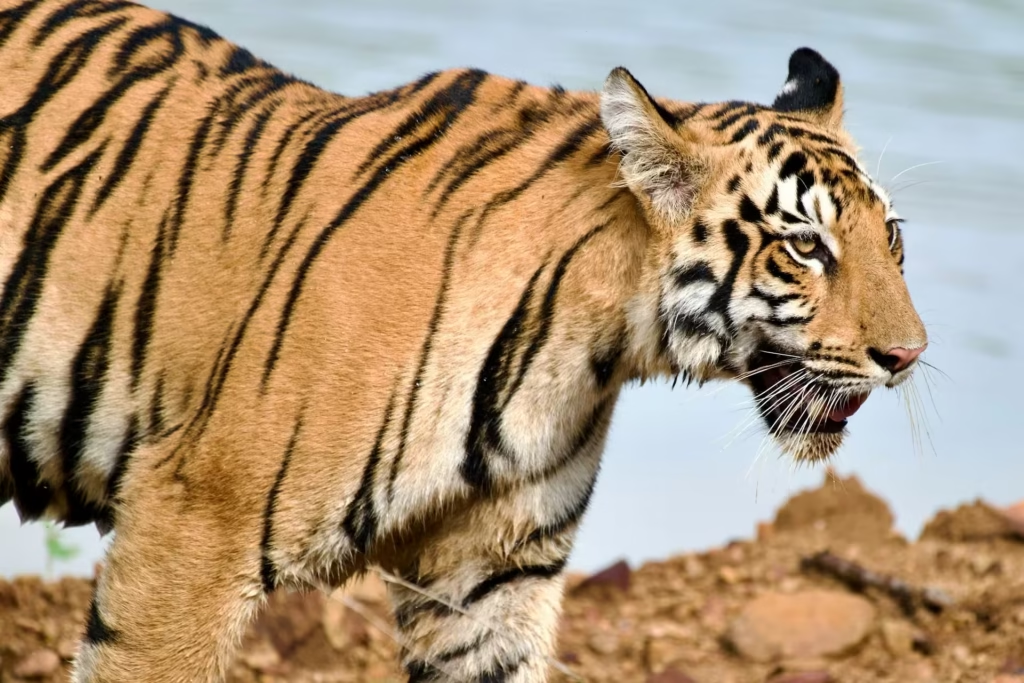
Tiger tracking depends on patience, field signs and information shared by safari staff. Pugmarks, alarm calls and changes in prey behaviour can all offer clues. The forest rarely gives a complete answer at once, so a good tiger safari leaves room for uncertainty rather than treating every track as a promise.
Birdwatching and Smaller Wildlife
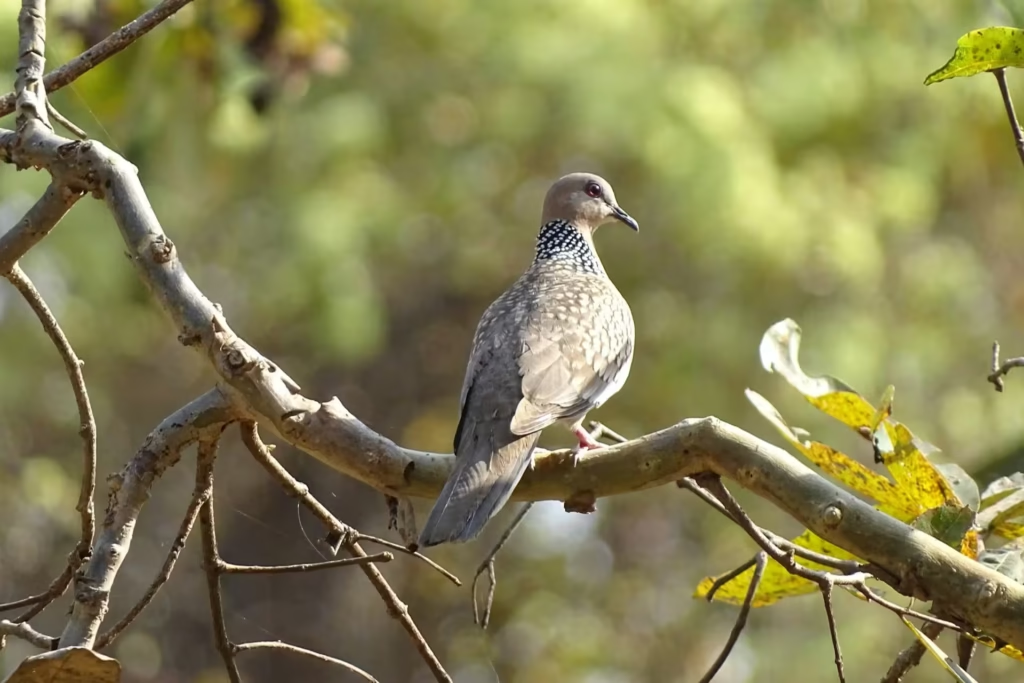
Tadoba rewards travellers who slow down. Birds move through bamboo, woodland and wetland edges, while smaller animals can appear briefly beside the track. Carrying binoculars helps you notice details that are easily missed when every drive is focused only on large mammals.
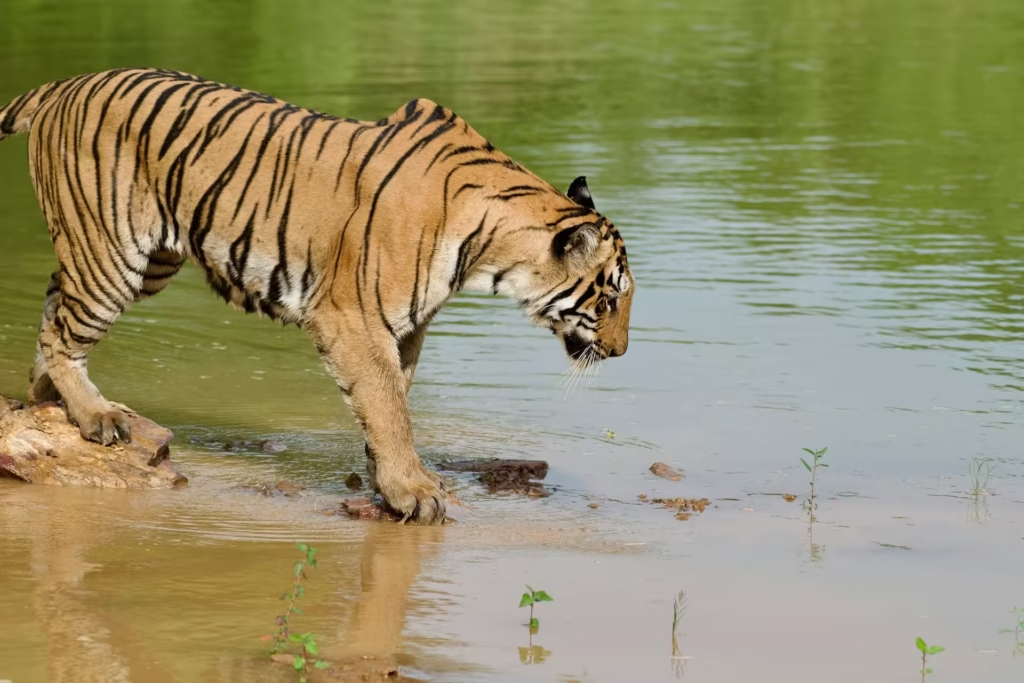
Waterhole Observation
Water becomes increasingly important as the dry season progresses. Tadoba's lakes, river and other water sources create useful wildlife habitat, though animal movement remains unpredictable. Quiet observation around suitable water areas can provide a more varied safari experience than moving constantly in search of tigers.
Tadoba Safari Tips for First-Time Visitors
- Book Early: Book your safari permits early, especially for travel between October and June, when popular dates fill quickly.
- Choose Multiple Safari Drives: Plan at least three safari drives to explore different forest areas and increase your wildlife viewing opportunities.
- Carry Binoculars: Bring 8x or 10x binoculars for spotting birds, distant animals and wildlife hidden among the trees.
- Dress for the Season: Wear comfortable, neutral-coloured layers, with warm clothing in winter and sun protection during the hotter months.
- Follow Your Guide's Instructions: Stay inside the vehicle, keep quiet and follow your guide's instructions throughout the safari.
- Never Expect a Guaranteed Tiger Sighting: Tiger sightings are never guaranteed, so enjoy the full forest experience and watch for other wildlife too.
Combine Tadoba With Other Indian Wildlife Destinations
Tadoba works well within a longer Central India wildlife itinerary because it can be paired with reserves offering different habitats and safari conditions. The best combination depends on flight routing, road transfers, safari availability and the number of nights available.
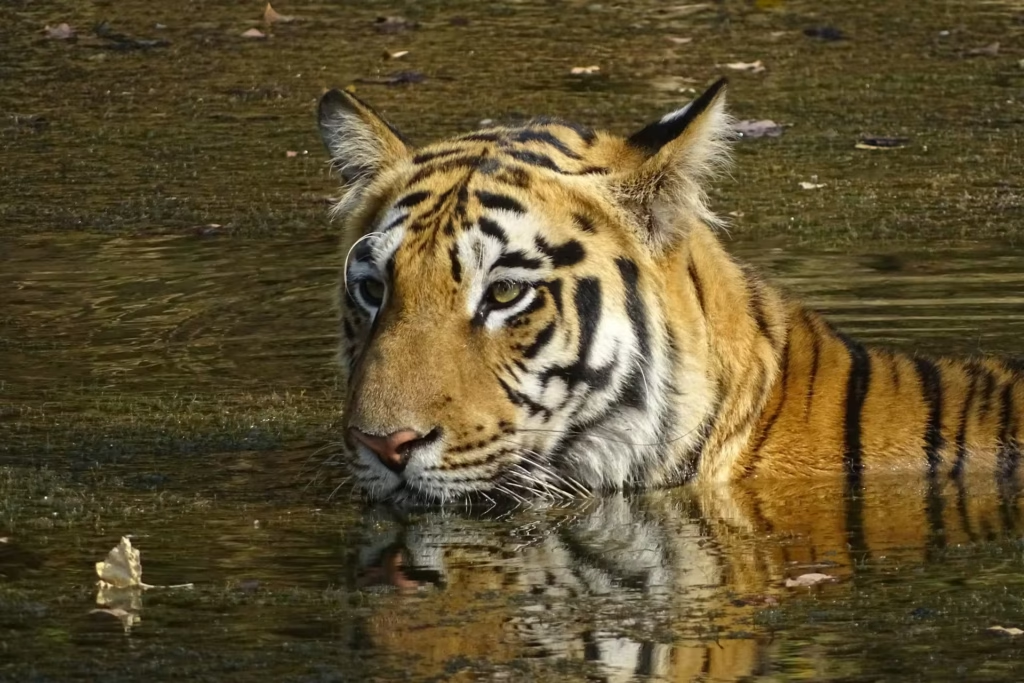
Tadoba + Pench
Tadoba and Pench National Park create a useful Maharashtra and Madhya Pradesh wildlife combination. Both support tigers but have different landscapes and safari experiences. The pairing works best when the itinerary allows enough transfer time and several drives at each reserve.
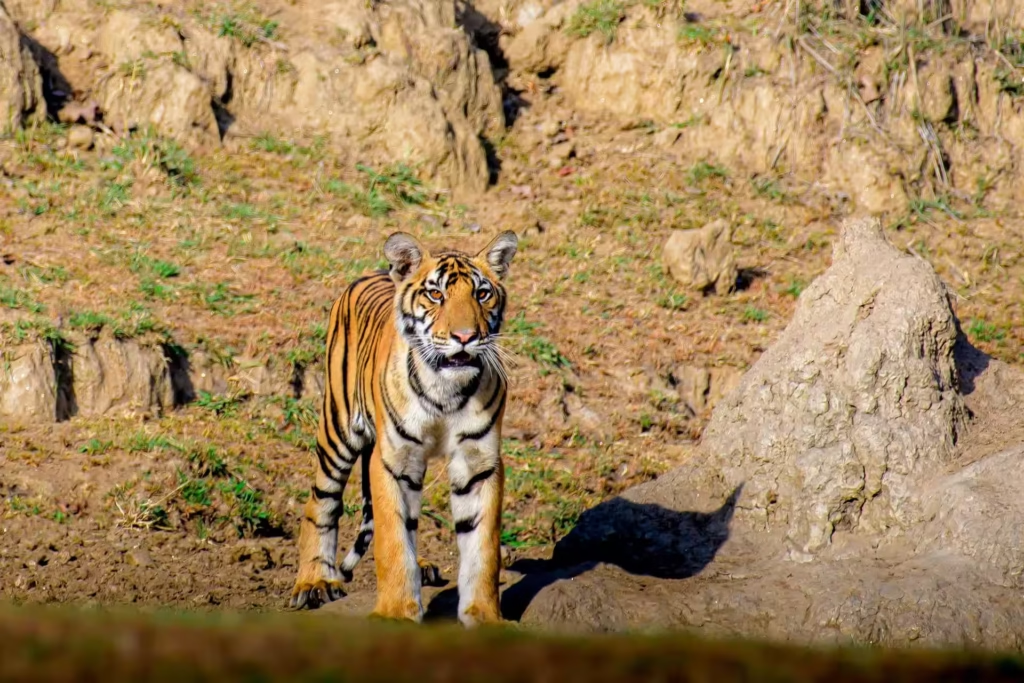
Tadoba + Kanha
Adding Kanha National Park creates a longer Central Indian wildlife journey with a different forest setting. Kanha is known for its open meadows and sal-dominated landscape, while Tadoba has a drier character with teak, bamboo and grassland. Allow enough nights to avoid spending too much of the trip on road transfers.
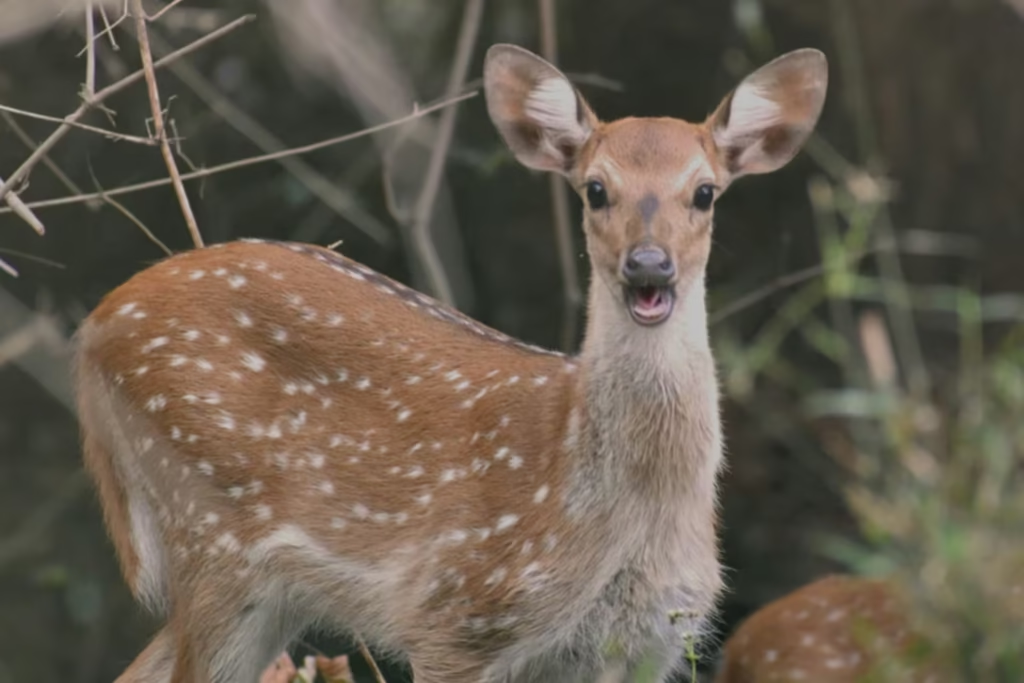
Tadoba + Umred-Karhandla
Umred-Karhandla Wildlife Sanctuary can complement Tadoba for travellers interested in exploring another protected area in Maharashtra. The two destinations are linked within the broader Central Indian tiger landscape.
Tadoba + Other Central India Destinations
Tadoba sits within the wider Central Indian tiger landscape and has ecological links with other protected areas. It can be combined with destinations such as Pench, Kanha or Umred-Karhandla when the routing works. The final choice should consider safari availability, road transfers and the total number of nights rather than simply adding as many reserves as possible.
How to Plan Your Tadoba Safari
Start by choosing your travel dates and deciding how many safari drives you want. Tadoba currently has a network of core and buffer gates, with the official reserve website listing six core and sixteen buffer gates. Gate selection should follow your accommodation and the areas you want to explore rather than relying on one gate as universally best.
Safari permits, vehicle arrangements and guide requirements should be checked through the official reserve booking system. The current government-authorised Tadoba website specifically warns visitors about fraudulent safari-booking websites.
Build some flexibility into the itinerary. Safari availability, seasonal operations and current tourism rules can change. Accommodation should be chosen close enough to the selected gate to make early drives practical. If you are flying into Nagpur, allow suitable road-transfer time before the first safari. For rail travel, Chandrapur is the closest major railway gateway cited by Maharashtra Tourism.
Frequently Asked Questions About Tadoba National Park
What is Tadoba National Park famous for?
Tadoba is best known for its tiger habitat, dry deciduous forest and varied wildlife. The reserve also supports leopards, dholes, sloth bears, gaur, deer, birds and reptiles.
Is Tadoba National Park good for tiger sightings?
Tadoba is an important tiger reserve and offers good opportunities to look for tigers. Sightings remain unpredictable, so no safari can guarantee one.
What is the best time to visit Tadoba National Park?
The cooler months are comfortable for safaris, while the hotter dry season can bring animals closer to reliable water sources. Maharashtra Tourism highlights February to May as a strong period for wildlife activity.
Which safari zone or gate is best?
There is no single gate that is best for every visitor. Tadoba currently has six core and sixteen buffer gates, and the right choice depends on safari availability, accommodation and your planned itinerary.
How much does a safari cost?
Safari costs vary according to the current permit category, vehicle arrangement, zone and reserve tariff. Current prices should be checked through the authorised booking system before travel.
How do I book a safari?
Use the official Tadoba-Andhari Tiger Reserve booking website. The reserve specifically identifies its government-authorised website for gypsy safari bookings and warns visitors about fraudulent websites.
How many days are enough for Tadoba National Park?
Three nights provide a useful balance for a first visit. Four or more nights suit photographers, birdwatchers and travellers wanting more safari flexibility.
How far is Tadoba National Park from the nearest major gateway?
Nagpur is the nearest major airport listed by Maharashtra Tourism at about 140 km. Chandrapur railway station is listed at about 45 km. The final road journey varies by safari gate and accommodation.
What animals can you see in Tadoba National Park?
Wildlife includes tigers, leopards, dholes, sloth bears, gaur, sambar, chital, wild pigs, jungle cats and many bird species. Mugger crocodiles occur around suitable water bodies.
Is Tadoba National Park worth visiting?
Tadoba is a strong choice for travellers interested in tiger habitat and dry deciduous forests. Its mix of predators, herbivores, birds, water bodies and changing seasonal conditions gives the safari experience depth beyond a search for tigers.